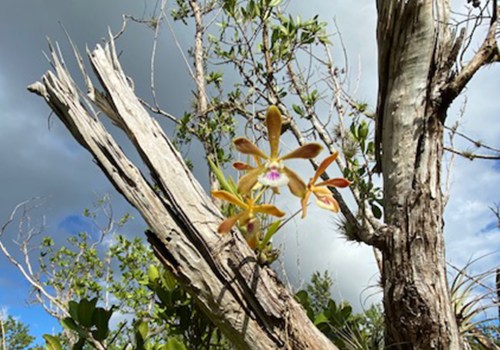
Orchids are not just beautiful flowers; they play a crucial role in maintaining the health of ecosystems around the world. With over 25,000 species, orchids are one of the largest families of flowering plants, showcasing an incredible diversity that contributes to biodiversity. Their unique relationships with pollinators, such as bees and butterflies, highlight their importance in ecological balance. Furthermore, orchids have significant cultural value, often symbolizing love, beauty, and strength in various societies.
This multifaceted significance underscores the need for orchid conservation, as the loss of these plants could have far-reaching consequences. Despite their resilience and adaptability, orchids face numerous threats that jeopardize their survival. Habitat destruction due to urbanization, agriculture, and deforestation is one of the most pressing issues. As natural habitats shrink, many orchid species find themselves in precarious situations, struggling to survive in fragmented environments. Additionally, climate change poses a significant risk by altering the conditions necessary for their growth and reproduction.
The delicate balance that orchids maintain within their ecosystems is increasingly threatened by these human-induced changes. Moreover, illegal collection and trade of orchids further exacerbate their decline. Many rare species are poached for ornamental purposes or sold on the black market, leading to a decrease in wild populations. This not only affects the species themselves but also disrupts the intricate relationships they have with other organisms in their habitats. Understanding these threats is essential for effective orchid conservation efforts, as it allows us to develop strategies that protect these remarkable plants and ensure their survival for future generations.
Habitat Loss and Fragmentation
Orchids, known for their stunning beauty and ecological significance, face severe threats due to habitat loss and fragmentation.Urbanization, agriculture, and deforestation are primary drivers of this destruction, leading to the decline of orchid populations worldwide.
Urbanization
has transformed vast landscapes into cities and suburbs, resulting in the direct loss of orchid habitats. As natural areas are replaced with concrete structures, the delicate ecosystems that support these plants are disrupted. This not only reduces the available space for orchids to thrive but also alters the microclimates essential for their growth.Agricultural expansion further exacerbates the issue. The conversion of forests and grasslands into farmland often involves the use of pesticides and fertilizers, which can be detrimental to orchid species.These chemicals can contaminate the soil and water sources, affecting not only orchids but also the myriad of organisms that contribute to their survival.Deforestation is another critical factor contributing to orchid habitat destruction. As trees are cut down for timber or to clear land for agriculture, the intricate relationships between orchids and their surrounding flora and fauna are disrupted. Many orchids rely on specific tree species for support and nutrients; without these trees, their chances of survival diminish significantly.Moreover, habitat fragmentation poses additional challenges. When large habitats are divided into smaller patches, it isolates orchid populations, making it difficult for them to reproduce and maintain genetic diversity.
Fragmented habitats can lead to increased competition for resources among remaining plant species, further threatening orchids' survival.The implications of these threats are profound. As orchid habitats continue to shrink and fragment, we risk losing not only these beautiful plants but also the biodiversity they support. Conservation efforts must prioritize protecting existing habitats and restoring fragmented landscapes to ensure that orchids can continue to flourish in their natural environments.
Climate Change and Its Impact on Orchids
Climate change poses a significant threat to orchid conservation, primarily through its impact on the delicate ecosystems where these plants thrive. As global temperatures rise, many orchid species face challenges that could jeopardize their survival.Temperature Changes
- Orchids are highly sensitive to temperature fluctuations.
Many species have specific temperature ranges that are optimal for their growth and reproduction.
- Increased temperatures can lead to heat stress, affecting photosynthesis and overall plant health.
- Some orchids may struggle to adapt to rising temperatures, leading to reduced populations or even extinction in extreme cases.
Altered Rainfall Patterns
- Changes in precipitation can disrupt the water supply that orchids depend on for survival. Many orchids require consistent moisture levels in their habitats.
- In regions experiencing drought, orchids may not receive enough water, leading to decreased growth rates and reproductive success.
- Conversely, excessive rainfall can lead to flooding and root rot, further threatening orchid populations.
Species Adaptation
- While some orchid species may exhibit resilience and adapt to changing conditions, others may not have the genetic diversity necessary for adaptation.
- Conservation efforts must focus on preserving genetic diversity within orchid populations to enhance their ability to adapt to climate change.
- Research into the specific needs of various orchid species can help inform conservation strategies aimed at mitigating the impacts of climate change.
Invasive Species Threatening Native Orchids
Invasive species pose a significant threat to orchid conservation, particularly for native orchids that have evolved in specific ecosystems. These non-native plants and animals often outcompete native species for essential resources such as light, water, and nutrients, leading to a decline in native orchid populations.Invasive plants
, such as Japanese knotweed and purple loosestrife, can quickly dominate habitats where native orchids grow.They often grow faster and reproduce more prolifically than native flora, creating dense thickets that shade out orchids and limit their access to sunlight. This competition can lead to reduced growth rates and lower reproductive success for native orchids.In addition to plants, invasive animal species can also disrupt the delicate balance of ecosystems where orchids thrive. For example, herbivorous animals like deer can overgraze on native plants, including orchids, further diminishing their chances of survival. Additionally, invasive insects may introduce diseases or pests that can devastate local orchid populations.To combat these threats, effective management strategies are essential.
Land managers and conservationists are increasingly employing methods such as:
- Monitoring and Early Detection: Regularly surveying areas for invasive species allows for early intervention before they can establish a foothold.
- Mechanical Removal: Physically removing invasive plants can help restore balance in ecosystems where native orchids are struggling.
- Chemical Control: In some cases, targeted herbicide applications may be necessary to control invasive plant populations without harming native species.
- Public Education: Raising awareness about the impacts of invasive species can encourage community involvement in conservation efforts.
Over-collection and Illegal Trade of Orchids
The over-collection of orchids poses a significant threat to their survival in the wild. Many species are highly sought after for their unique beauty and rarity, leading to unsustainable harvesting practices. This demand often results in the removal of entire populations from their natural habitats, disrupting local ecosystems and diminishing genetic diversity.One of the most alarming aspects of this issue is the illegal trade in orchids, which has flourished due to the high market value of certain species. Organized crime networks often exploit this lucrative market, smuggling rare orchids across borders and selling them to collectors and enthusiasts.This not only threatens the existence of these plants but also undermines conservation efforts aimed at protecting them.In response to these challenges, various conservation laws have been enacted globally to regulate the trade and collection of orchids. The Convention on International Trade in Endangered Species of Wild Fauna and Flora (CITES) plays a crucial role in this regard, listing many orchid species that require protection from international trade. Additionally, local laws in many countries aim to safeguard native orchid populations by restricting collection without permits.Despite these regulations, enforcement remains a significant hurdle. Many countries lack the resources or political will to effectively monitor and control illegal activities.
As a result, public awareness and education about the importance of orchid conservation are essential. By promoting sustainable practices and encouraging responsible collecting, we can help ensure that these beautiful plants continue to thrive in their natural environments.
Pollinator Decline and Its Effects on Orchids
The intricate relationship between orchids and their pollinators is vital for the survival of these unique plants. Orchids have evolved complex mechanisms to attract specific pollinators, often relying on them for successful reproduction. However, the alarming decline in pollinator populations poses a significant threat to orchid conservation.Importance of Pollinators
- Pollinators, such as bees, butterflies, and moths, play a crucial role in the fertilization of orchids.
Without these creatures, many orchid species cannot reproduce effectively.
- Orchids often have specialized structures and scents that cater to their specific pollinators, making their reproductive success highly dependent on these relationships.
- The loss of pollinators can lead to reduced genetic diversity within orchid populations, making them more vulnerable to diseases and environmental changes.
Effects of Pollinator Decline on Orchids
The decline in pollinator populations is attributed to various factors, including habitat loss, pesticide use, and climate change. As these pressures mount, the consequences for orchids are profound:
- Reduced Reproductive Success: Many orchids rely on specific pollinators for successful fertilization. A decline in these pollinator species can lead to lower seed production and ultimately threaten the survival of certain orchid species.
- Increased Competition: With fewer pollinators available, orchids may face increased competition from other flowering plants that can attract remaining pollinators more effectively.
- Fragmentation of Populations: As pollinator populations dwindle, isolated orchid populations may struggle to find mates, leading to inbreeding and a decrease in overall population health.
Conservation efforts must prioritize the preservation of both orchids and their pollinators to ensure a balanced and thriving environment.
Conservation Efforts and Strategies for Orchids
Conservation efforts for orchids are crucial in combating the numerous threats these delicate plants face. Various strategies have emerged globally, focusing on habitat preservation, restoration, and community engagement.Successful conservation programs
have been implemented in several regions, showcasing the effectiveness of targeted actions. For instance, the Orchid Conservation Program in Madagascar has made significant strides by establishing protected areas and conducting research on native species. This program not only aims to conserve orchids but also to restore their natural habitats, ensuring a sustainable environment for future generations.Another notable initiative is the North American Orchid Conservation Center, which focuses on the conservation of native orchids through seed banking and propagation techniques.
By collecting seeds from various species and storing them in controlled environments, this program helps maintain genetic diversity and supports reintroduction efforts.
Community involvement
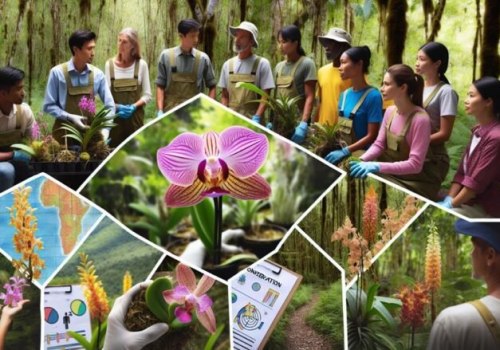
plays a vital role in orchid conservation. Local communities are often the first line of defense against habitat destruction. Educational programs that raise awareness about the importance of orchids can empower individuals to take action. For example, workshops that teach sustainable harvesting practices can help reduce the impact of over-collection while promoting local economies.Moreover, citizen science initiatives encourage community members to participate in monitoring orchid populations and reporting sightings.
This grassroots approach not only fosters a sense of ownership but also provides valuable data for researchers and conservationists.In conclusion, effective orchid conservation strategies hinge on a combination of successful programs, community engagement, and education. By working together, we can ensure that these beautiful plants continue to thrive in their natural habitats.
Future Challenges in Orchid Conservation
As we look to the future of orchid conservation, several challenges loom on the horizon that could significantly impact these delicate ecosystems. Understanding these emerging threats is crucial for developing effective long-term conservation strategies.Emerging Threats to Orchids
One of the most pressing concerns is the rise of new diseases that specifically target orchid species.Fungal infections
, such as those caused by Phytophthora, have already devastated certain populations, and as global trade increases, the risk of introducing new pathogens grows.Additionally, climate change poses a significant threat, altering habitats and making them less suitable for many orchid species.
Changing Environmental Policies
Another challenge comes from shifting environmental policies that may not prioritize orchid conservation. As urbanization expands and agricultural practices intensify, natural habitats are increasingly fragmented. This not only reduces the available space for orchids to thrive but also disrupts their pollination processes, which are vital for their reproduction.Long-Term Conservation Strategies
To combat these threats, it is essential to implement long-term conservation strategies that include:- Habitat Restoration: Rehabilitating degraded areas to create suitable environments for orchids.
- Research and Monitoring: Conducting ongoing studies to track orchid populations and health, allowing for timely interventions.
- Public Awareness: Educating communities about the importance of orchids and their ecosystems to foster local stewardship.
- Legislation: Advocating for stronger protections against habitat destruction and illegal trade.
Conclusion: The Path Forward for Orchid Conservation
In conclusion, the future of orchid conservation hinges on our collective efforts to address the myriad threats these exquisite plants face. Throughout this article, we have explored the significant challenges posed by habitat loss, climate change, and illegal trade, all of which jeopardize not only the survival of orchids but also the broader ecosystems they inhabit.To effectively combat these threats, it is essential to implement a multifaceted approach:- Habitat Protection: Establishing and enforcing protected areas is crucial for safeguarding orchid habitats from urban development and agricultural expansion.
- Restoration Initiatives: Engaging in habitat restoration projects can help revive degraded ecosystems, allowing native orchid species to thrive once more.
- Public Awareness: Educating communities about the importance of orchids and their ecological roles can foster a culture of conservation and encourage local stewardship.
- Regulation of Trade: Strengthening laws against illegal orchid trade and promoting sustainable practices in horticulture are vital for protecting these plants from exploitation.
By sharing knowledge and resources, we can develop innovative strategies that not only protect orchids but also enhance biodiversity as a whole. The preservation of orchids is not merely an aesthetic concern; it is a critical component of maintaining ecological health and resilience.As we move forward, let us remain committed to orchid conservation, recognizing that every effort counts in ensuring that future generations can enjoy the beauty and diversity of these remarkable plants.