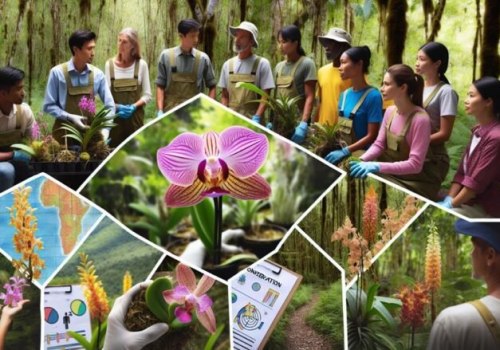
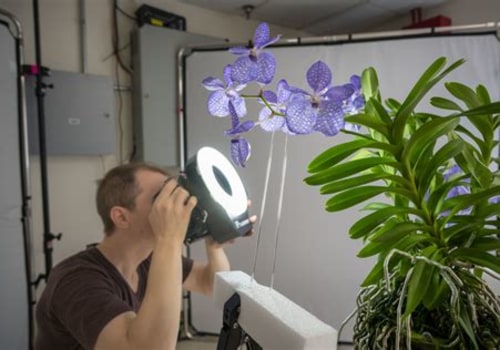
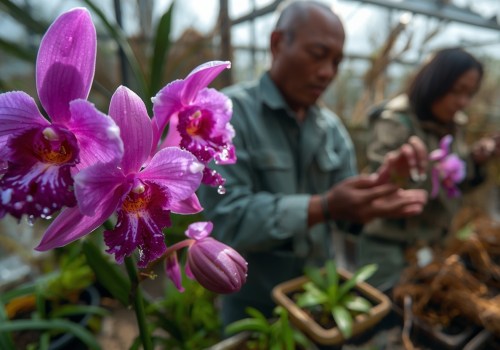
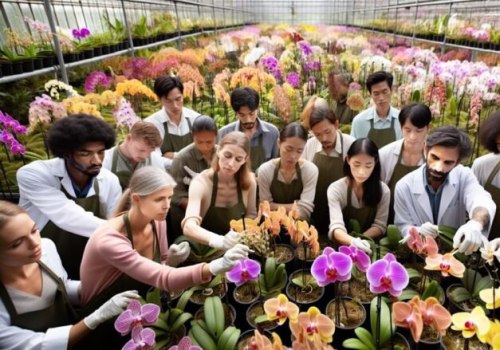
Orchids are among the most diverse and captivating plants on the planet, boasting over 25,000 species and countless hybrids. Their intricate beauty and ecological significance make them a vital component of global biodiversity. However, many orchid species face threats from habitat loss, climate change, and illegal trade, leading to a pressing need for effective orchid conservation strategies. Understanding these methods is crucial for preserving not only the orchids themselves but also the ecosystems they inhabit. One of the most effective approaches to orchid conservation is ex situ conservation, which involves preserving plant species outside their natural habitats.
This method includes techniques such as seed banking, tissue culture, and cultivation in botanical gardens. By creating controlled environments where orchids can thrive, conservationists can safeguard genetic diversity and ensure that these remarkable plants do not vanish from our world. The importance of orchid conservation cannot be overstated. Orchids play essential roles in their ecosystems, serving as pollinators for various insects and contributing to the overall health of their environments. By implementing ex situ conservation methods, we not only protect these stunning plants but also promote ecological balance and resilience.
As we delve deeper into the world of orchid conservation, it becomes clear that our efforts today will shape the future of these extraordinary species for generations to come.
What is Ex Situ Conservation?
Ex situ conservation refers to the practice of preserving an endangered species outside of its natural habitat. This method is crucial for the survival of many species, including orchids, which face threats from habitat loss, climate change, and illegal trade. By removing these plants from their native environments, conservationists can protect them from immediate dangers and ensure their survival.In contrast, in situ conservation involves protecting species in their natural habitats. While both methods are essential for biodiversity preservation, ex situ conservation provides a controlled environment where scientists can study and propagate species without the pressures of their natural ecosystems.Types of Ex Situ Conservation
- Botanical Gardens: These institutions play a vital role in orchid conservation by cultivating various species and educating the public about their importance.
- Seed Banks: Storing seeds from different orchid species allows for long-term preservation and potential reintroduction into the wild.
- Micropropagation: This laboratory technique enables the rapid multiplication of orchids through tissue culture, ensuring genetic diversity and availability.
- Living Collections: Many organizations maintain living collections of orchids that serve as genetic reservoirs for future restoration efforts.
By understanding and implementing ex situ conservation strategies, we can help safeguard the future of orchids and other endangered species.
The Importance of Ex Situ Conservation for Orchids
Ex situ conservation plays a vital role in the preservation of orchids, particularly as many species face significant threats from habitat loss, climate change, and illegal collection. By removing these plants from their natural environments and cultivating them in controlled settings, conservationists can safeguard their genetic diversity and ensure their survival.Orchid species at risk
are often those that have specific habitat requirements or limited geographical ranges. For instance, many tropical orchids are threatened by deforestation and land conversion for agriculture. Ex situ conservation provides a sanctuary where these delicate species can thrive without the pressures of their native ecosystems.Benefits of Ex Situ Conservation
- Genetic Preservation: Maintaining a diverse gene pool is crucial for the long-term survival of orchid species.
Ex situ methods allow for the collection and preservation of seeds and tissue samples, which can be used for future breeding programs.
- Research Opportunities: Cultivating orchids outside their natural habitats enables scientists to study their biology, ecology, and responses to environmental changes. This research is essential for developing effective conservation strategies.
- Public Awareness: Ex situ conservation efforts often include educational programs that raise awareness about the importance of orchid conservation. By engaging the public, these initiatives can foster a greater appreciation for biodiversity and encourage support for conservation efforts.
- Reintroduction Programs: Successful ex situ conservation can lead to reintroduction programs where cultivated orchids are returned to their natural habitats. This process helps restore populations that have dwindled or disappeared due to environmental pressures.
By understanding its importance and benefits, we can better appreciate the need for comprehensive conservation efforts that include both in situ and ex situ approaches.
Methods of Ex Situ Conservation for Orchids
Ex situ conservation plays a crucial role in the preservation of orchids, which are among the most diverse and threatened plant families in the world. Various methods are employed to ensure the survival of these beautiful plants outside their natural habitats.Orchid Seed Banking
One of the primary methods of orchid conservation is through seed banking. This technique involves collecting and storing seeds in controlled environments to maintain their viability for long periods. The seeds are typically dried and frozen, which helps to prevent deterioration and loss of genetic diversity.Seed banks not only preserve the genetic material of various orchid species but also provide a resource for future restoration efforts.
Tissue Culture for Orchids
Tissue culture is another innovative method used in ex situ conservation. This technique allows for the propagation of orchids from small tissue samples, enabling the growth of new plants in sterile conditions. Tissue culture can produce large numbers of genetically identical plants, which is particularly beneficial for rare or endangered species. This method also helps in eliminating pathogens that may affect the health of the plants.Cultivation in Botanical Gardens
Botanical gardens serve as vital centers for orchid conservation, providing a controlled environment for growing and studying various orchid species.These gardens often participate in breeding programs aimed at increasing the population of endangered orchids. Additionally, they play an educational role by raising public awareness about the importance of orchid conservation and biodiversity.In summary, methods such as seed banking, tissue culture, and cultivation in botanical gardens are essential components of ex situ conservation strategies for orchids. By employing these techniques, conservationists can help protect these remarkable plants from extinction and ensure their survival for future generations.
Case Studies: Successful Ex Situ Conservation Programs for Orchids
Ex situ conservation has proven to be a vital strategy for the preservation of orchid species facing extinction. Several successful programs around the world have demonstrated how this approach can effectively safeguard these delicate plants.1.The Orchid Conservation Program at the Royal Botanic Gardens, Kew
One of the most notable examples is the Orchid Conservation Program at the Royal Botanic Gardens, Kew in the United Kingdom.This program focuses on collecting and propagating endangered orchid species from various regions. By utilizing advanced techniques such as tissue culture and seed banking, Kew has successfully reintroduced several orchid species back into their natural habitats, ensuring their survival.
2.The Orchid Recovery Program in Hawaii
In Hawaii, the Orchid Recovery Program has made significant strides in conserving native orchid species that are threatened by habitat loss and invasive species. This program involves collecting seeds from wild populations and cultivating them in controlled environments. The program has successfully propagated several endemic orchids, such as Brassavola nodosa, and has facilitated their reintroduction into protected areas.3.The Singapore Botanic Gardens' Orchid Conservation Efforts
The Singapore Botanic Gardens is another exemplary case of successful ex situ conservation.With its extensive orchid collection, the gardens not only serve as a research hub but also as a breeding ground for rare species. Their efforts include cross-breeding programs that enhance genetic diversity and resilience among orchids, which is crucial for their long-term survival.
4.The International Orchid Conservation Network
The International Orchid Conservation Network (IOCN) collaborates with various botanical gardens and conservation organizations worldwide to share knowledge and resources. Through this network, numerous case studies have emerged showcasing successful ex situ conservation initiatives that have led to the revival of critically endangered orchids. These case studies highlight the importance of ex situ conservation in protecting orchid biodiversity. By combining scientific research with practical application, these programs not only preserve existing species but also contribute to restoring ecosystems where orchids play a crucial role.Challenges and Limitations of Ex Situ Conservation for Orchids
Ex situ conservation, while a vital strategy for orchid conservation, faces several challenges and limitations that can hinder its effectiveness.One of the primary concerns is the issue of genetic diversity. When orchids are cultivated outside their natural habitats, there is a risk of losing genetic variation. This reduction in genetic diversity can make populations more susceptible to diseases and environmental changes, ultimately threatening their long-term survival.Another significant challenge is the difficulty of habitat restoration. Even if ex situ conservation successfully propagates orchids, reintroducing them into their native ecosystems can be problematic.
Many orchid species have specific symbiotic relationships with fungi and other organisms in their natural habitats, which are often disrupted or absent in cultivated environments. Without these essential relationships, reintroduced orchids may struggle to thrive.Additionally, ex situ methods can be resource-intensive and may not always be sustainable. Maintaining living collections requires substantial financial investment and expertise, which can be a barrier for many conservation programs. Furthermore, the focus on individual species may divert attention from broader ecosystem conservation efforts that are crucial for the overall health of orchid populations.Lastly, there is a risk that reliance on ex situ conservation could lead to complacency regarding in situ efforts.
Conservationists might prioritize cultivating orchids in controlled environments over protecting their natural habitats, which are essential for the survival of these species in the wild.In summary, while ex situ conservation plays a critical role in orchid conservation, it is not without its challenges and limitations. Addressing these issues is essential for ensuring the long-term viability of orchid species and their ecosystems.
Future Directions in Orchid Conservation: Integrating Ex Situ and In Situ Approaches
The future of orchid conservation lies in the effective integration of both ex situ and in situ methods, creating a holistic approach that addresses the multifaceted challenges facing these delicate plants. As the threats to orchid species continue to escalate due to habitat loss, climate change, and illegal trade, it becomes increasingly vital to develop strategies that leverage the strengths of both conservation methods.Ex situ conservation
, which involves preserving orchids outside their natural habitats, plays a crucial role in safeguarding genetic diversity and providing a buffer against extinction. This method includes practices such as seed banking, tissue culture, and cultivation in botanical gardens.However, while ex situ efforts are essential for immediate preservation, they cannot fully replace the need for healthy ecosystems where orchids naturally thrive.On the other hand, in situ conservation focuses on protecting orchids within their natural environments. This approach not only preserves the plants but also maintains the ecological relationships that are vital for their survival. By enhancing habitat protection and restoration efforts, we can create conditions that support both existing populations and future generations of orchids.To effectively integrate these two approaches, conservationists are exploring several innovative strategies:
- Collaborative Research: Engaging scientists from various disciplines to study orchid ecology and genetics can lead to more informed conservation practices.
- Community Involvement: Local communities can play a pivotal role in both ex situ and in situ efforts by participating in conservation programs and raising awareness about the importance of orchids.
- Adaptive Management: Implementing flexible management strategies that can be adjusted based on ongoing research and environmental changes ensures that conservation efforts remain effective over time.
- Education and Outreach: Increasing public knowledge about the significance of orchids and their ecosystems fosters a culture of conservation that supports both ex situ and in situ initiatives.
FAQs about Ex Situ Conservation and Orchids
Ex situ conservation plays a crucial role in the preservation of orchids, which are among the most diverse and threatened plant families.Here are some frequently asked questions regarding this important conservation method:
What is ex situ conservation?
Ex situ conservation refers to the practice of preserving plant species outside their natural habitats. This can include methods such as cultivating orchids in botanical gardens, seed banks, or tissue culture facilities. By maintaining these plants in controlled environments, conservationists can protect them from threats like habitat destruction and climate change.How does ex situ conservation benefit orchids?
- Genetic Diversity: Ex situ methods help maintain genetic diversity, which is essential for the long-term survival of orchid species.
- Research Opportunities: These settings provide scientists with the chance to study orchids, leading to better understanding and care practices.
- Reintroduction Programs: Healthy populations can be reintroduced into their natural habitats when conditions improve.
What are some common ex situ methods used for orchids?
- Tissue Culture: This technique allows for the mass propagation of orchids while ensuring genetic fidelity.
- Seed Banking: Storing seeds in controlled conditions helps preserve genetic material for future restoration efforts.
- Botanical Gardens: These institutions often serve as living repositories for endangered orchid species, providing education and awareness.
What are some tips for caring for orchids in ex situ settings?
- Light Requirements: Ensure that orchids receive adequate but indirect sunlight to mimic their natural habitat.
- Watering: Overwatering is a common mistake; allow the medium to dry slightly between waterings.
- Nutrient Supply: Use a balanced fertilizer during the growing season to promote healthy growth.
Conclusion: The Path Forward for Orchid Conservation
In summary, orchid conservation is a multifaceted approach that requires both ex situ and in situ strategies to ensure the survival of these remarkable plants. Throughout this article, we have explored the significance of ex situ conservation methods, such as seed banks, tissue culture, and botanical gardens, which play a crucial role in preserving genetic diversity and providing a safety net for endangered orchid species.While ex situ efforts are vital, they must be complemented by robust in situ conservation practices.Protecting natural habitats and implementing sustainable land-use practices are essential to maintaining the ecosystems where orchids thrive. The synergy between these two approaches can create a more resilient framework for orchid conservation.
- Ex Situ Conservation: This method allows for the preservation of orchid species outside their natural habitats, providing opportunities for research, breeding programs, and reintroduction into the wild.
- In Situ Conservation: Protecting orchids in their native environments ensures that they can thrive in their natural ecosystems, which is critical for their long-term survival.
- Collaboration: Engaging local communities, governments, and conservation organizations is essential to create effective conservation strategies that address both ex situ and in situ needs.