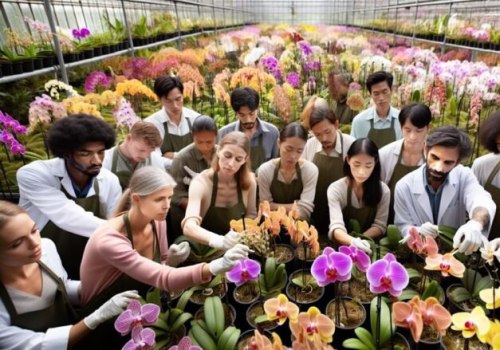
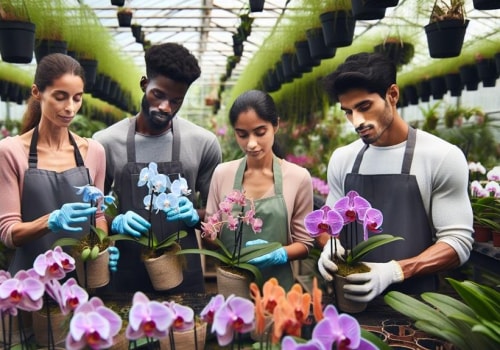
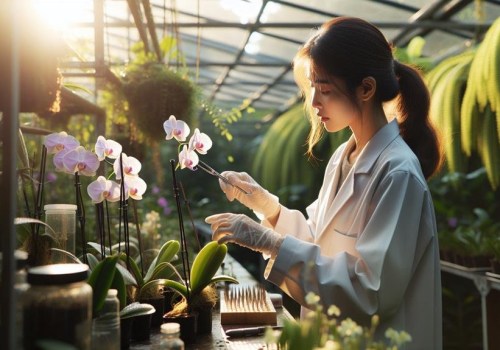
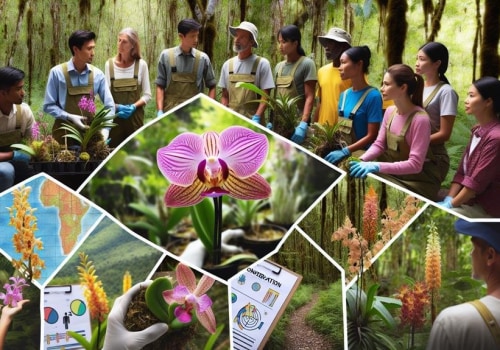
Orchid conservation is a vital aspect of environmental stewardship that focuses on the protection and preservation of orchid species, which are among the most diverse and fascinating plants on Earth. With over 25,000 species and countless hybrids, orchids play a crucial role in maintaining biodiversity and supporting various ecosystems. Their unique adaptations and relationships with pollinators make them essential indicators of environmental health, highlighting the intricate connections within our natural world. The importance of orchid conservation extends beyond mere aesthetics; it encompasses ecological, economic, and cultural dimensions. Orchids contribute to ecosystem stability by providing habitat and food for numerous organisms, including insects, birds, and mammals.
Furthermore, they have significant economic value in horticulture and traditional medicine, making their conservation not only an environmental imperative but also a socio-economic necessity. Understanding orchid conservation involves recognizing the threats these plants face, such as habitat destruction, climate change, and illegal trade. By defining orchid conservation as the proactive measures taken to protect these species and their habitats, we can appreciate its significance in fostering a sustainable future. As we delve deeper into this topic, we will explore the various strategies employed to conserve orchids and the collective efforts needed to ensure their survival for generations to come.
The Ecological Importance of Orchids
Orchids play a crucial role in maintaining the health and stability of ecosystems. As one of the most diverse families of flowering plants, they contribute significantly to biodiversity.Their unique adaptations allow them to thrive in various environments, from tropical rainforests to temperate regions, making them essential components of their respective habitats.
Ecological Role of Orchids
- Orchids serve as indicators of environmental health. Their sensitivity to changes in habitat quality makes them valuable for monitoring ecosystem integrity.
- They provide food and habitat for a variety of organisms, including insects, birds, and mammals. Many species rely on orchids for sustenance, showcasing their role in the food web.
Orchids and Pollinators
The relationship between orchids and their pollinators is particularly fascinating. Many orchids have evolved intricate mechanisms to attract specific pollinators, such as bees, butterflies, and moths.
This mutualistic relationship not only ensures the reproduction of orchids but also supports the survival of pollinator species. For instance:
- Some orchids mimic the appearance and scent of female insects to lure male pollinators, ensuring effective pollen transfer.
- This specialized interaction enhances genetic diversity within orchid populations, which is vital for their adaptability and resilience.
Orchids in Ecosystems
Beyond their direct interactions with pollinators, orchids contribute to ecosystem functions such as:
- Nutrient cycling: Orchids can help in the decomposition process by providing organic matter that enriches the soil.
- Water regulation: Their presence can influence local hydrology by affecting moisture retention in the environment.
Threats to Orchid Populations
Orchids, known for their stunning beauty and diversity, face numerous threats that jeopardize their survival. Understanding these threats is essential for effective orchid conservation efforts.- Habitat Loss: One of the most significant threats to orchid populations is habitat destruction.
Urbanization, agriculture, and deforestation lead to the fragmentation and loss of natural habitats where orchids thrive. As forests are cleared for development or farming, the delicate ecosystems that support these plants are disrupted, making it increasingly difficult for them to survive.
- Climate Change: The effects of climate change pose another critical challenge for orchids. Changes in temperature and precipitation patterns can alter the specific conditions that orchids require to grow. For instance, some species may find their natural habitats becoming too warm or too dry, leading to a decline in their populations.
Additionally, extreme weather events such as storms and droughts can further threaten their survival.
- Illegal Trade: The illegal collection and trade of orchids also contribute to their decline. Many rare and endangered species are targeted for their beauty and high market value. This not only reduces wild populations but can also disrupt local ecosystems where these orchids play a vital role.
Conservation Efforts and Strategies
Conservation efforts for orchids are crucial in ensuring the survival of these unique and diverse plants.Various orchid conservation strategies have been developed to address the threats they face, including habitat loss, climate change, and illegal trade.One of the primary methods of orchid conservation is in-situ conservation, which involves protecting orchids in their natural habitats. This approach often includes:
- Protected Areas: Establishing national parks and reserves that safeguard critical habitats where orchids thrive.
- Habitat Restoration: Rehabilitating degraded ecosystems to restore the natural conditions necessary for orchid growth.
- Community Engagement: Involving local communities in conservation efforts to promote sustainable practices that benefit both people and orchids.
- Botanical Gardens: Many botanical gardens maintain collections of endangered orchids, providing a safe haven for species at risk of extinction.
- Seed Banks: Storing orchid seeds ensures genetic diversity and allows for future reintroduction into their native habitats.
- Cultivation Programs: Breeding programs aim to propagate rare orchids, making them available for research and potential reintroduction.
Additionally, partnerships between governments, NGOs, and local communities have proven essential in raising awareness and mobilizing resources for orchid protection.In conclusion, a multifaceted approach combining both in-situ and ex-situ methods is essential for effective protecting orchids. By implementing these strategies, we can help ensure that future generations will continue to enjoy the beauty and ecological significance of orchids.
The Role of Community Involvement in Orchid Conservation
Community involvement plays a crucial role in orchid conservation, as local populations are often the first line of defense against threats to these delicate plants. Engaging communities not only fosters a sense of ownership but also enhances the effectiveness of conservation efforts through education and active participation.Education and Awareness
- Local workshops and seminars can educate community members about the ecological importance of orchids and the threats they face.
- Awareness campaigns can highlight the beauty and diversity of native orchids, encouraging people to appreciate and protect them.
Citizen Science Initiatives
Citizen science projects allow community members to contribute to orchid conservation by collecting data on local orchid populations. This involvement can take various forms:
- Monitoring Populations: Volunteers can help track the health and distribution of orchid species, providing valuable data for researchers.
- Reporting Sightings: Community members can report sightings of rare or endangered orchids, aiding in their protection.
Local Efforts for Orchid Protection
Many communities have initiated local efforts aimed at protecting their native orchids.
These initiatives often include:
- Restoration Projects: Communities can participate in habitat restoration, ensuring that orchids have suitable environments to thrive.
- Partnerships with Conservation Organizations: Collaborating with NGOs can amplify local efforts, providing resources and expertise for effective conservation strategies.
The Economic Value of Orchids
Orchids are not only a symbol of beauty and elegance but also hold significant economic importance across various sectors. Their role in horticulture is particularly noteworthy, as they are among the most sought-after plants for both amateur and professional growers. The global demand for orchids has led to a thriving market, with millions of plants sold each year, contributing substantially to local and international economies.The orchid trade impacts economies in several ways:- Job Creation: The cultivation, harvesting, and distribution of orchids create numerous job opportunities in agriculture, retail, and logistics.
- Tourism: Orchid shows and exhibitions attract tourists, boosting local economies through increased spending on accommodations, dining, and related activities.
- Export Revenue: Countries known for their orchid production, such as Thailand and the Netherlands, benefit from significant export revenues, enhancing their economic stability.
Unsustainable harvesting methods can lead to the depletion of wild orchid populations, threatening biodiversity and disrupting ecosystems. By adopting sustainable cultivation techniques and supporting conservation efforts, we can protect these valuable species while still reaping their economic rewards.In conclusion, orchid conservation is not just an environmental concern; it is also an economic imperative. By recognizing the value of orchids in horticulture and the global trade market, we can foster practices that benefit both our economies and the natural world.
Future Directions for Orchid Conservation
As we look to the future of orchid conservation, it is essential to embrace innovative techniques and research that can significantly enhance our efforts. The ongoing decline of orchid species due to habitat loss, climate change, and illegal trade necessitates a proactive approach to conservation.Innovative Conservation Techniques
- Biotechnology: Advances in biotechnology, such as tissue culture and genetic engineering, offer promising avenues for propagating endangered orchid species.
These methods can help restore populations in their natural habitats.
- Habitat Restoration: Utilizing drones and remote sensing technology can aid in identifying critical habitats for orchids. This data can inform targeted restoration efforts, ensuring that conservation resources are used effectively.
- Community Engagement: Involving local communities in conservation initiatives fosters stewardship and awareness. Programs that educate locals about the ecological importance of orchids can lead to more sustainable practices.
Research in Orchid Conservation
Future research areas are crucial for understanding the complex needs of orchid species. Some potential focus areas include:
- Climate Resilience: Studying how different orchid species respond to climate change will help identify those at greatest risk and inform adaptive management strategies.
- Pest and Disease Management: Researching the interactions between orchids and their pests or pathogens can lead to better management practices that protect these delicate plants.
- Genetic Diversity Studies: Understanding the genetic diversity within orchid populations is vital for developing effective conservation strategies.
This knowledge can guide breeding programs aimed at enhancing resilience.
FAQs about Orchid Conservation
What is orchid conservation and why is it important?
Orchid conservation refers to the efforts made to protect and preserve orchid species and their habitats. Orchids are not only beautiful but also play a crucial role in their ecosystems. They contribute to biodiversity, support pollinators, and can even indicate the health of an environment.
Conserving orchids helps maintain ecological balance and ensures that future generations can enjoy these remarkable plants.
How can I help with orchid conservation?
There are several ways individuals can contribute to orchid conservation:
- Support conservation organizations: Donate to or volunteer with organizations dedicated to protecting orchids and their habitats.
- Educate yourself and others: Learn about local orchid species and their needs, and share this knowledge with your community.
- Avoid wild collection: Never collect orchids from the wild, as this can severely impact local populations.
- Grow orchids responsibly: If you choose to cultivate orchids, purchase them from reputable sources that practice sustainable harvesting.
Why should we conserve orchids?
The conservation of orchids is vital for several reasons:
- Biodiversity: Orchids are one of the largest families of flowering plants, with over 25,000 species. Their preservation helps maintain genetic diversity.
- Ecosystem health: Orchids often have specific relationships with pollinators, which are essential for the reproduction of many plants.
- Cultural significance: Many cultures value orchids for their beauty and symbolism, making their conservation important for cultural heritage.
Conclusion: The Imperative of Orchid Conservation
In conclusion, orchid conservation is not merely an aesthetic endeavor; it is a crucial component of maintaining biodiversity and ensuring the health of our ecosystems. Orchids, with their intricate relationships with pollinators and other species, play a significant role in the ecological balance. Their decline can lead to cascading effects that disrupt entire habitats.Throughout this article, we have explored the various reasons why conserving orchids is essential:- Biodiversity Preservation: Orchids contribute to the rich tapestry of life on Earth.
Protecting them helps safeguard countless other species that depend on them.
- Ecosystem Health: Healthy orchid populations indicate a balanced ecosystem. Their presence often signifies a thriving environment, while their absence can signal ecological distress.
- Cultural Significance: Many cultures around the world hold orchids in high regard, using them in traditional practices and as symbols of beauty and love. Conserving these plants helps preserve cultural heritage.
- Economic Value: The orchid industry supports livelihoods through horticulture and tourism. Sustainable practices in orchid conservation can enhance economic opportunities while protecting natural resources.
Whether through supporting conservation organizations, participating in local restoration projects, or simply spreading awareness about the importance of orchid conservation, every effort counts. By prioritizing the protection of these remarkable plants, we not only ensure their survival but also contribute to a healthier planet for future generations.