Orchid conservation is a critical aspect of preserving biodiversity and maintaining the delicate balance of our ecosystems. With over 25,000 species of orchids worldwide, these stunning plants are not only admired for their beauty but also play essential roles in their habitats. However, orchid species decline has become a pressing issue due to various factors such as habitat destruction, climate change, and illegal trade. Understanding the significance of orchid conservation is vital for anyone who appreciates nature and wishes to contribute to its preservation. The importance of orchid conservation extends beyond aesthetic appreciation; it encompasses ecological, cultural, and economic dimensions.
Orchids are integral to many ecosystems, providing food and habitat for numerous pollinators and other wildlife. Their decline can disrupt these systems, leading to broader environmental consequences. Furthermore, many cultures around the globe hold orchids in high regard, using them in traditional medicine and as symbols of love and beauty. The loss of these plants could mean the loss of cultural heritage and traditional practices. As we face an alarming rate of extinction among various orchid species, it becomes increasingly clear that individual contributions are essential in the fight for their survival.
By understanding the threats they face and recognizing our role in their conservation, we can take meaningful steps to protect these remarkable plants for future generations. Whether through supporting conservation organizations, participating in local initiatives, or simply spreading awareness about the importance of orchids, every action counts in the quest for a sustainable future.
The Importance of Orchids in Ecosystems
Orchids are not just beautiful flowers; they play a vital role in maintaining the health and balance of ecosystems. As one of the most diverse families of flowering plants, orchids contribute significantly to biodiversity. They provide essential habitats and food sources for various organisms, including insects, birds, and mammals.Role of Orchids in Ecosystems
- Pollination: Many orchids have evolved intricate relationships with specific pollinators, such as bees, butterflies, and hummingbirds.
This mutualism not only aids in the reproduction of orchids but also supports the survival of these pollinators.
- Habitat Formation: Orchids often thrive in unique microhabitats, contributing to the structural complexity of their environments. This complexity provides shelter and breeding grounds for various species, enhancing overall ecosystem health.
- Nutrient Cycling: As part of their life cycle, orchids interact with fungi in the soil, forming mycorrhizal associations that help in nutrient uptake. This relationship is crucial for soil health and fertility, benefiting other plant species as well.
Ecological Benefits of Orchids
The presence of orchids in an ecosystem is often an indicator of its health. Their sensitivity to environmental changes makes them excellent bioindicators.
A decline in orchid populations can signal broader ecological issues, such as habitat destruction or climate change. Therefore, conserving orchids is not just about preserving a single species; it is about protecting entire ecosystems.In summary, the ecological roles that orchids play are indispensable. Their contributions to biodiversity, pollination processes, and nutrient cycling highlight the importance of orchid conservation. By safeguarding these remarkable plants, we ensure the stability and resilience of our natural environments.
Ways Individuals Can Contribute to Orchid Conservation
Orchid conservation is a vital effort that requires the participation of individuals at all levels.Here are some effective ways you can contribute to the preservation of these beautiful plants:
- Educate Yourself and Others: Understanding the importance of orchids in ecosystems and their current threats is crucial. Share your knowledge with friends, family, and community members to raise awareness about orchid conservation.
- Support Local Conservation Organizations: Many organizations focus on protecting orchids and their habitats. Consider donating your time or resources to these groups, or participate in their events and campaigns.
- Participate in Citizen Science: Engage in citizen science projects that monitor orchid populations or habitats. This can include reporting sightings, participating in surveys, or helping with data collection.
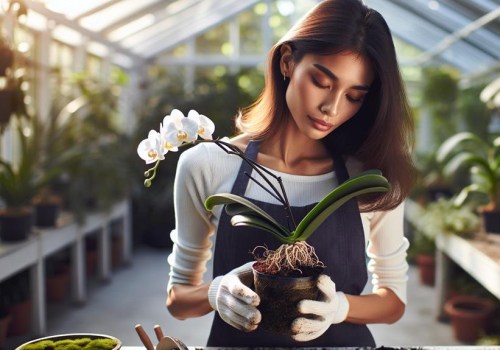
- Practice Responsible Gardening: If you grow orchids, ensure you source them from reputable nurseries that practice sustainable cultivation.
Avoid purchasing wild-collected orchids, as this can harm natural populations.
- Join or Form Community Groups: Collaborate with local gardening clubs or conservation groups to organize events focused on orchid conservation. Activities can include planting native species, habitat restoration, or educational workshops.
- Advocate for Policy Change: Stay informed about local and national policies affecting orchid habitats. Advocate for stronger protections and sustainable practices by contacting your representatives and participating in public forums.
Supporting Local and Global Conservation Organizations
Orchid conservation is a vital effort that requires the support of individuals and communities alike.Numerous organizations are dedicated to preserving these beautiful plants, and by getting involved, you can make a significant impact.
Local and Global Organizations
- The Orchid Conservation Coalition: This organization focuses on the protection of orchid species through habitat preservation and education. They offer various programs that individuals can support through donations or participation.
- American Orchid Society: With a mission to promote the appreciation and conservation of orchids, this society provides resources for enthusiasts and conservationists alike. Membership offers opportunities to engage in local conservation efforts.
- Botanical Gardens: Many botanical gardens have dedicated orchid conservation programs. Supporting your local garden through volunteering or donations can help fund their conservation initiatives.
How to Support Conservation Groups
- Donations: Financial contributions are crucial for the operational success of conservation organizations.
Even small donations can help fund research, habitat restoration, and educational outreach.
- Volunteering: Many organizations welcome volunteers for various tasks, from planting and caring for orchids to participating in educational programs. This hands-on involvement not only aids conservation efforts but also enriches your understanding of these plants.
- Advocacy: Raising awareness about orchid conservation is essential. Share information on social media, participate in local events, or even organize community workshops to educate others about the importance of preserving these species.
Creating Awareness and Educating Others
One of the most effective ways individuals can contribute to orchid conservation is by creating awareness and educating others about these remarkable plants.Orchids are not only beautiful but also play a crucial role in their ecosystems. By spreading knowledge, we can foster a greater appreciation for their importance and encourage conservation efforts.
Raising Awareness for Orchid Conservation
- Social Media Campaigns: Utilize platforms like Instagram, Facebook, and Twitter to share stunning images of orchids along with informative posts about their ecological significance and the threats they face.
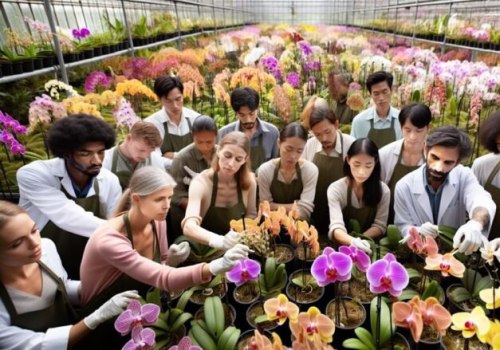
- Community Events: Organize or participate in local events such as plant fairs, garden shows, or nature walks where you can showcase orchids and discuss their conservation needs.
- Collaborate with Local Organizations: Partner with botanical gardens, conservation groups, or schools to host workshops or talks that highlight the importance of orchid conservation.
Educating About Orchids
- Workshops and Classes: Offer workshops that teach people how to care for orchids, emphasizing sustainable practices that support conservation.
- Informational Materials: Create brochures or flyers that provide information on local orchid species, their habitats, and how individuals can help protect them.
- Online Resources: Develop a blog or website dedicated to orchid conservation where you can share articles, tips, and resources for enthusiasts and newcomers alike.
Community Education on Orchids
- School Programs: Engage with local schools to introduce programs that teach students about the biodiversity of orchids and the importance of preserving their habitats.
- Neighborhood Initiatives: Start a community garden focused on native orchids, allowing residents to learn about their care while contributing to local biodiversity.
- Volunteer Opportunities: Encourage community members to volunteer for orchid restoration projects, providing hands-on experience in conservation efforts.
Participating in Citizen Science Projects
Citizen science is a collaborative approach to scientific research that engages the public in collecting and analyzing data. This method not only enhances scientific knowledge but also fosters a sense of community and responsibility towards environmental conservation.For those interested in orchid conservation, participating in citizen science projects can be a rewarding way to contribute to the protection and study of these beautiful plants.Individuals can get involved in various ways:
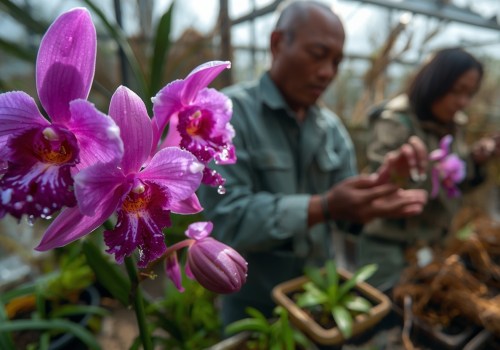
- Join Local Conservation Groups: Many local organizations focus on orchid conservation and often have citizen science initiatives. By joining these groups, you can participate in field surveys, habitat restoration, and educational outreach.
- Participate in Online Platforms: Websites like iNaturalist allow users to document and share their observations of orchids. By uploading photos and location data, you contribute valuable information that researchers can use to track orchid populations and health.
- Attend Workshops and Training Sessions: Many conservation organizations offer workshops that teach participants how to identify different orchid species, understand their habitats, and collect data effectively. These skills are essential for contributing meaningfully to research efforts.
- Engage in Data Collection: Some projects may require volunteers to collect specific data on orchid growth patterns, pollination rates, or threats from invasive species.
This hands-on involvement is crucial for ongoing research.
Sustainable Gardening Practices for Orchid Lovers
For orchid enthusiasts, practicing sustainable gardening is essential not only for the health of their plants but also for the environment. By adopting eco-friendly methods, individuals can contribute to orchid conservation while enjoying their passion for these beautiful flowers.1.Choose Native Species:
When selecting orchids for your garden, consider native species that are adapted to your local climate.
Native orchids often require less water and care, making them more sustainable choices.
2.Use Organic Fertilizers:
Opt for organic fertilizers instead of chemical ones. Organic options, such as compost or well-rotted manure, enrich the soil without harming beneficial microorganisms. This practice not only supports healthy plant growth but also minimizes pollution.
3.Water Wisely:
Implement efficient watering techniques to conserve water. Use drip irrigation systems or self-watering pots to ensure that orchids receive the right amount of moisture without waste.
Additionally, collect rainwater in barrels to use for watering your plants.
4.Reduce Plastic Use:
Avoid plastic pots and containers that contribute to environmental pollution. Instead, choose biodegradable pots made from materials like coconut coir or recycled paper. These options are not only better for the environment but also promote healthy root development.
5.Support Local Conservation Efforts:
Engage with local conservation organizations focused on orchid preservation. Participate in community events, volunteer for restoration projects, or donate to initiatives that protect natural habitats where orchids thrive.
6.Educate Others:
Share your knowledge about sustainable orchid care with fellow gardeners and friends.
By spreading awareness about eco-friendly orchid care tips, you can inspire others to adopt similar practices, amplifying the impact on conservation efforts.By integrating these sustainable gardening practices into your orchid care routine, you not only enhance the beauty of your garden but also play a vital role in protecting these delicate plants and their ecosystems.
FAQs About Orchid Conservation Efforts
As interest in orchid conservation grows, many individuals have questions about how they can contribute effectively. Here are some frequently asked questions that clarify common misconceptions and provide insights into the world of orchid conservation.What are the main threats to orchids?
Orchids face several threats, including:- Habitat loss: Urban development, agriculture, and deforestation significantly reduce natural habitats.
- Climate change: Altered weather patterns affect the delicate ecosystems where orchids thrive.
- Over-collection: Some species are harvested unsustainably for the floral trade.
Can I grow orchids at home to help conservation?
Yes! Growing orchids at home can contribute to conservation efforts. By cultivating native or endangered species, you can help maintain genetic diversity and raise awareness about their plight. Ensure you source your plants from reputable nurseries that practice sustainable cultivation.Are all orchids endangered?
No, not all orchids are endangered.While there are over 25,000 species of orchids, only a fraction is considered threatened or endangered. However, it is crucial to support conservation efforts for those species at risk.
What can I do to support orchid conservation?
- Educate yourself: Learn about local orchid species and their habitats.
- Participate in local conservation programs: Join organizations focused on protecting orchids and their ecosystems.
- Avoid purchasing wild-collected orchids: Opt for cultivated varieties to discourage illegal harvesting.
Conclusion: Your Role in Orchid Conservation
In conclusion, the journey towards orchid conservation is not solely the responsibility of large organizations or governments; it is a collective effort that requires the active participation of individuals. Each person can play a vital role in preserving these exquisite plants for future generations. Throughout this article, we have explored various ways individuals can contribute to orchid conservation.From supporting local conservation initiatives to cultivating orchids responsibly at home, every action counts. Here are some key takeaways:
- Educate Yourself and Others: Knowledge is power. By learning about the different species of orchids and their ecological importance, you can raise awareness in your community.
- Support Conservation Organizations: Donating to or volunteering with organizations dedicated to orchid conservation can amplify your impact. These groups often have programs that directly benefit orchid habitats.
- Practice Responsible Gardening: If you grow orchids, ensure you source them ethically and avoid purchasing from vendors that exploit wild populations.
- Participate in Citizen Science: Engage in local biodiversity projects that track orchid populations and health.
Your observations can contribute valuable data to conservation efforts.