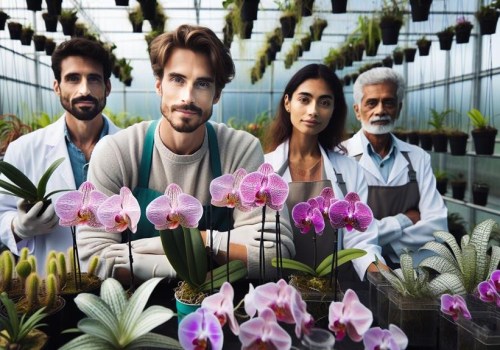
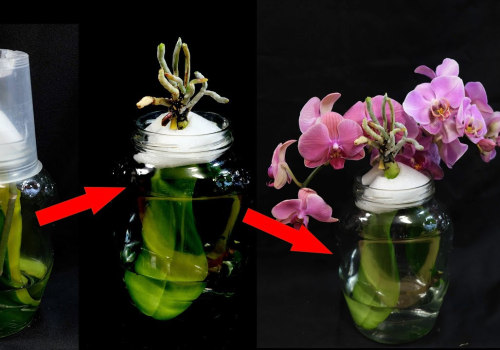
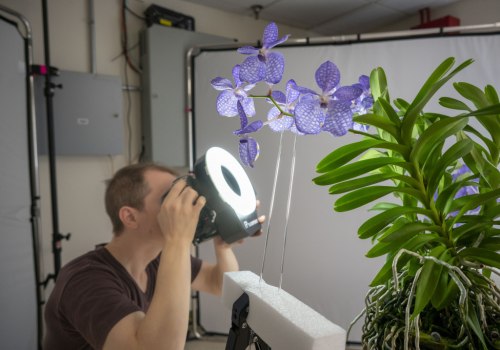
Orchids are not just beautiful flowers; they are vital components of our planet's biodiversity. With over 25,000 species, orchids represent one of the largest families of flowering plants, playing crucial roles in their ecosystems.
Orchid conservation
is essential not only for preserving these stunning plants but also for maintaining the health of the environments they inhabit. As habitats are threatened by urbanization, climate change, and deforestation, the need for dedicated conservation efforts has never been more pressing. Organizations around the world are stepping up to address the challenges facing orchids.These groups work tirelessly to protect endangered species, restore habitats, and educate the public about the importance of orchid conservation. They engage in various activities, from conducting research and breeding programs to advocating for policies that safeguard natural habitats. By collaborating with local communities and governments, these organizations aim to create sustainable practices that benefit both orchids and the ecosystems they support. The significance of orchid conservation extends beyond the plants themselves; it encompasses broader environmental health and cultural heritage. Many orchids have deep-rooted connections to indigenous cultures and traditional practices.
By supporting organizations dedicated to orchid conservation, we not only help preserve these remarkable plants but also contribute to the preservation of biodiversity and cultural diversity worldwide.
Global Organizations Focused on Orchid Conservation
Orchid conservation is a critical endeavor, and several global organizations are at the forefront of this mission. These organizations work tirelessly to protect endangered orchid species, promote sustainable practices, and educate the public about the importance of these unique plants.1.The International Union for Conservation of Nature (IUCN) The IUCN plays a pivotal role in global conservation efforts, including those focused on orchids. Through its Red List of Threatened Species, the IUCN assesses the conservation status of various orchid species, helping to prioritize conservation actions and raise awareness about their plight.2.The Orchid Conservation Coalition (OCC) The OCC is dedicated specifically to the conservation of orchids worldwide. This organization collaborates with local communities and governments to implement conservation strategies that protect natural habitats and promote sustainable orchid cultivation practices.Their initiatives often include habitat restoration projects and educational programs aimed at fostering appreciation for orchids.3.The Royal Botanic Gardens, Kew Kew Gardens is renowned for its extensive research on plant conservation, including orchids. Their Orchid Conservation Program focuses on studying orchid diversity, developing propagation techniques, and reintroducing endangered species into their natural habitats. Kew also engages in international partnerships to enhance global orchid conservation efforts.4.The American Orchid Society (AOS) The AOS is a prominent organization in the United States that promotes orchid conservation through education and advocacy. They provide resources for orchid growers and enthusiasts while supporting research initiatives aimed at understanding and preserving orchid species. These organizations exemplify the collaborative spirit needed for effective orchid conservation.
By combining research, community engagement, and advocacy, they are making significant strides in protecting these beautiful plants for future generations.
Regional and National Organizations for Orchid Conservation
Orchid conservation is a vital aspect of preserving biodiversity, and numerous organizations across the globe are dedicated to this cause. These organizations focus on protecting local orchid species and their habitats, often engaging in research, education, and community involvement.- The American Orchid Society (AOS) : Founded in 1921, the AOS is one of the leading national organizations in the United States dedicated to orchid conservation. They provide resources for orchid enthusiasts and promote conservation efforts through educational programs and grants aimed at preserving native orchid species.
- Orchid Conservation Coalition (OCC) : This organization focuses on global orchid conservation efforts, working with various stakeholders to protect endangered species. The OCC emphasizes the importance of habitat preservation and sustainable practices to ensure the survival of orchids in their natural environments.
- Royal Horticultural Society (RHS) : Based in the UK, the RHS plays a significant role in orchid conservation through its extensive research programs.
They work on breeding programs for endangered orchids and provide valuable information on cultivation techniques that can aid in conservation efforts.
- International Union for Conservation of Nature (IUCN) : While not exclusively focused on orchids, the IUCN's Red List of Threatened Species includes many orchid species. Their work helps raise awareness about the conservation status of these plants and encourages action to protect them.
- Habitat Restoration : Many regional organizations focus on restoring natural habitats where native orchids thrive. This includes removing invasive species and reintroducing native plants.
- Community Education : Local groups often conduct workshops and seminars to educate the public about the importance of orchids and how individuals can contribute to their conservation.
- Research Initiatives : Regional universities and research institutions frequently collaborate with conservation organizations to study local orchid populations, helping to inform effective conservation strategies.
Community-Based Orchid Conservation Initiatives
Community-based orchid conservation initiatives play a crucial role in preserving these delicate plants while fostering local engagement and education.By involving local populations, these grassroots efforts not only protect orchid species but also promote sustainable practices that benefit the entire ecosystem.One notable example is the Orchid Conservation Program in Costa Rica, which collaborates with local farmers to cultivate native orchids. This initiative encourages farmers to integrate orchid cultivation into their agricultural practices, providing them with an additional source of income while ensuring the survival of these species in their natural habitats.Another successful project is the Community Orchid Conservation Project in Thailand, where local communities are trained in orchid propagation techniques. This program not only helps to conserve endangered species but also empowers locals by providing them with skills that can lead to economic opportunities through eco-tourism and sustainable harvesting.In addition to these programs, many grassroots organizations focus on raising awareness about the importance of orchid conservation. For instance, the Orchid Society of America runs educational workshops and community events that highlight the ecological significance of orchids and encourage community members to participate in conservation efforts.
Key Benefits of Community-Based Initiatives:
- Empowerment: Local communities gain knowledge and skills that enable them to take an active role in conservation.
- Sustainability: These projects promote sustainable practices that benefit both the environment and local economies.
- Awareness: Increased understanding of the ecological importance of orchids leads to greater community involvement.
By harnessing local knowledge and fostering a sense of ownership, these initiatives not only protect valuable plant species but also strengthen community ties and promote biodiversity.
The Role of Research Institutions in Orchid Conservation
Research institutions play a pivotal role in orchid conservation by conducting scientific studies that enhance our understanding of these delicate plants. Through rigorous research, these institutions identify the various threats facing orchids, including habitat loss, climate change, and invasive species. By documenting the ecological requirements of different orchid species, researchers can develop targeted conservation strategies.One significant contribution of research institutions is their involvement in breeding programs. These programs aim to propagate endangered orchid species in controlled environments, ensuring their survival and eventual reintroduction into their natural habitats.For instance, institutions like the Royal Botanic Gardens, Kew and the Missouri Botanical Garden have established successful breeding initiatives that not only preserve genetic diversity but also educate the public about the importance of orchid conservation.Moreover, research institutions often collaborate with local communities and conservation organizations to implement habitat restoration efforts. By restoring degraded habitats, they create suitable environments for orchids to thrive. This collaborative approach not only benefits the orchids but also supports local biodiversity and ecosystem health.In addition to practical conservation efforts, these institutions contribute to the global knowledge base through publications and conferences. They share findings on scientific research on orchids, which can influence policy decisions and funding for conservation initiatives.
By disseminating knowledge, research institutions empower other stakeholders in the field of orchid conservation.In summary, the contributions of research institutions are vital for the future of orchid conservation. Their scientific studies, breeding programs, and habitat restoration efforts collectively enhance our ability to protect these beautiful plants for generations to come.
How You Can Get Involved in Orchid Conservation
Getting involved in orchid conservation is a rewarding way to contribute to the preservation of these beautiful plants and their ecosystems. Here are some actionable steps you can take to make a difference:Volunteer Opportunities
Many organizations dedicated to orchid conservation offer volunteer programs that allow you to participate in hands-on activities. Here are a few ways you can get involved:- Local Botanical Gardens: Many botanical gardens have orchid collections and often seek volunteers for maintenance, education, and outreach programs.
- Conservation Projects: Look for local or international conservation projects that focus on orchid habitats.
These may include fieldwork, research assistance, or habitat restoration.
- Community Workshops: Participate in or help organize workshops that educate the public about the importance of orchids and how to care for them.
Support Orchid Organizations
If volunteering isn’t feasible, consider supporting orchid conservation organizations through donations or membership. Your contributions can help fund vital research and conservation efforts. Here are some options:- Membership Fees: Join organizations like the American Orchid Society or the Orchid Conservation Coalition. Membership often includes benefits such as newsletters, access to exclusive events, and discounts on orchid-related products.
- Direct Donations: Many organizations accept direct donations that go towards specific conservation projects.
Check their websites for information on how your funds will be used.
- Sponsorship Programs: Some organizations offer sponsorship opportunities for specific orchid species or conservation initiatives, allowing you to contribute directly to a cause you care about.
Frequently Asked Questions about Orchid Conservation
Orchid conservation is a vital topic that raises many questions among enthusiasts and conservationists alike. Here are some frequently asked questions regarding this important subject:- What is orchid conservation? Orchid conservation refers to the efforts and practices aimed at protecting and preserving orchid species and their habitats. This includes in-situ conservation (protecting orchids in their natural environments) and ex-situ conservation (cultivating orchids in controlled settings, such as botanical gardens).
- Why are orchids important to conserve? Orchids play a crucial role in biodiversity and ecosystems.
They provide habitat for various species, contribute to pollination, and have significant cultural and economic value. Additionally, many orchids are threatened by habitat loss, climate change, and illegal trade.
- How can individuals help with orchid conservation? Individuals can contribute by supporting local conservation organizations, participating in citizen science projects, and cultivating native orchids in their gardens. Educating others about the importance of orchids can also raise awareness.
- What organizations focus on orchid conservation? Several organizations are dedicated to orchid conservation, including:
- The Orchid Conservation Coalition, which works globally to protect orchid species through education and advocacy.
- The American Orchid Society, which promotes the appreciation of orchids while supporting conservation efforts.
- The Royal Horticultural Society, which engages in research and conservation initiatives for endangered orchid species.
Conclusion: The Future of Orchid Conservation Efforts
As we look towards the future of orchid conservation, it is clear that the efforts made by various organizations are crucial in ensuring the survival of these remarkable plants. The work done by groups such as the Orchid Conservation Coalition, American Orchid Society, and Royal Horticultural Society highlights the importance of collaboration among scientists, conservationists, and enthusiasts alike.These organizations not only focus on protecting endangered species but also engage in public education and awareness campaigns that emphasize the ecological significance of orchids.The future of orchid conservation hinges on continued support for these initiatives. As habitat loss, climate change, and illegal trade threaten orchid populations worldwide, it becomes increasingly vital to foster a culture of conservation. This includes advocating for sustainable practices in agriculture and horticulture, as well as supporting legislation that protects natural habitats.In summary, the collective efforts of dedicated organizations play a pivotal role in preserving orchid diversity. By investing in research, habitat restoration, and community engagement, we can ensure that future generations will not only appreciate the beauty of orchids but also understand their importance in our ecosystems.
The ongoing commitment to orchid preservation is essential for maintaining biodiversity and ecological balance.Ultimately, the path forward requires a united front—one that combines scientific knowledge with grassroots activism. As we champion the cause of orchid conservation, let us remember that every small action contributes to a larger impact, fostering a world where these exquisite plants can thrive for years to come.