Orchids are not just beautiful flowers; they play a crucial role in our ecosystems and hold significant cultural and economic value.
Orchid conservation
is essential for maintaining biodiversity, as these plants are vital for the survival of various pollinators and other species within their habitats. However, despite their importance, many people harbor misconceptions about what orchid conservation entails and why it matters. Understanding these misconceptions is the first step toward fostering a more informed approach to preserving these remarkable plants. One common misconception is that orchid conservation primarily focuses on protecting rare or endangered species.While safeguarding these orchids is indeed a priority, conservation efforts also encompass the preservation of entire ecosystems where orchids thrive. This broader perspective highlights the interconnectedness of all species within an environment, emphasizing that the loss of one can have cascading effects on others. Another prevalent myth is that orchid conservation is solely the responsibility of scientists and conservationists. In reality, everyone can contribute to these efforts, whether through supporting local conservation initiatives, participating in citizen science projects, or simply cultivating orchids responsibly at home. By dispelling these misconceptions, we can encourage a collective commitment to protecting orchids and their habitats for future generations.
Misconception 1: Orchids Are Easy to Grow and Maintain
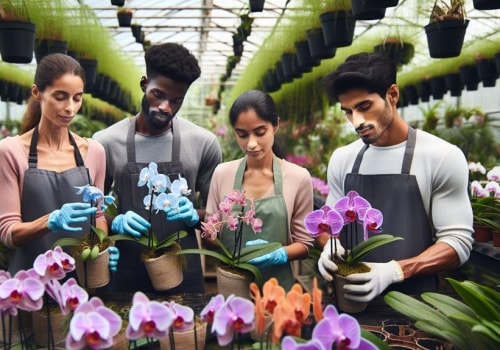
One of the most prevalent misconceptions about orchid conservation is the belief that orchids are easy to grow and maintain.While it is true that many people are drawn to these stunning plants for their beauty, the reality is that they often require a level of care and attention that can be surprising to new growers.
Orchids
are not your typical houseplants; they have specific needs that must be met for them to thrive. Here are some key factors to consider:- Light Requirements: Orchids generally prefer bright, indirect light. Too much direct sunlight can scorch their leaves, while too little can hinder their growth.
- Watering Needs: Overwatering is a common mistake among orchid enthusiasts. Unlike many plants, orchids do not like to sit in water.
They require a careful balance of moisture, and the potting medium should dry out between waterings.
- Humidity Levels: Orchids thrive in high humidity environments, typically between 40% and 70%. This can be challenging to maintain in drier climates or during winter months.
- Temperature Fluctuations: Many orchids have specific temperature ranges they prefer. Sudden changes in temperature can stress the plant and affect its blooming cycle.
Similarly, repotting is essential for healthy growth, as orchids can outgrow their pots or deplete the nutrients in their potting medium over time.In conclusion, while orchids can be incredibly rewarding to grow, they are not low-maintenance plants. Understanding their unique care requirements is crucial for anyone interested in orchid conservation. By dispelling this misconception, we can better appreciate the complexities involved in nurturing these beautiful species.
Misconception 2: All Orchids Are Endangered
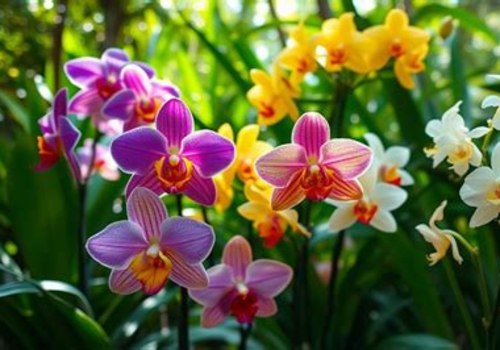
One of the most prevalent misconceptions about orchid conservation is the belief that all orchids are endangered. While it is true that some species face significant threats due to habitat loss, climate change, and illegal collection, the reality is much more nuanced.Orchids are one of the largest and most diverse families of flowering plants, with over 25,000 species identified worldwide.This diversity means that their conservation statuses vary widely:
- Common Species: Many orchids, such as the Phalaenopsis (moth orchid) and Cattleya, are widely cultivated and not considered endangered. These species thrive in cultivation and are readily available in nurseries.
- Threatened Species: Conversely, certain orchids like the Cypripedium calceolus (lady's slipper) are indeed threatened or endangered due to specific environmental pressures.
- Conservation Efforts: Various organizations and botanical gardens are actively working on orchid species conservation, focusing on protecting habitats and restoring populations of endangered species.
Misconception 3: Orchid Conservation Is Only for Scientists and Experts
One of the most pervasive myths surrounding orchid conservation is the belief that only scientists and experts can make a meaningful impact.This misconception undermines the vital role that the general public can play in preserving these beautiful plants. In reality, community involvement is crucial for successful conservation efforts.
Community Involvement in Orchid Conservation
- Local Awareness: Engaging local communities helps raise awareness about the importance of orchids and their ecosystems. Educational programs can empower individuals to appreciate and protect these plants.
- Habitat Restoration: Community-led initiatives often focus on restoring natural habitats where orchids thrive. Volunteers can participate in planting native species, removing invasive plants, and monitoring local orchid populations.
- Advocacy: Ordinary citizens can advocate for policies that protect orchid habitats, influencing local governments to prioritize conservation efforts.
Citizen Science and Orchids
Citizen science projects have emerged as a powerful tool in orchid conservation.
These initiatives invite non-experts to contribute to scientific research by collecting data on orchid sightings, growth patterns, and environmental conditions. This collaboration not only enriches scientific knowledge but also fosters a sense of ownership and responsibility among participants.
The Public's Role in Conservation
The public's role in orchid conservation extends beyond mere participation; it encompasses education, advocacy, and stewardship. By sharing their experiences and knowledge, individuals can inspire others to take action. Social media platforms and community events serve as excellent venues for spreading awareness about the significance of orchids and the need for their protection.In conclusion, the notion that only experts can contribute to orchid conservation is a significant barrier to effective action.
By recognizing the value of community involvement and citizen science, we can harness the collective power of individuals to ensure a brighter future for orchids and their habitats.
Misconception 4: Orchid Conservation Is Not Important for Biodiversity
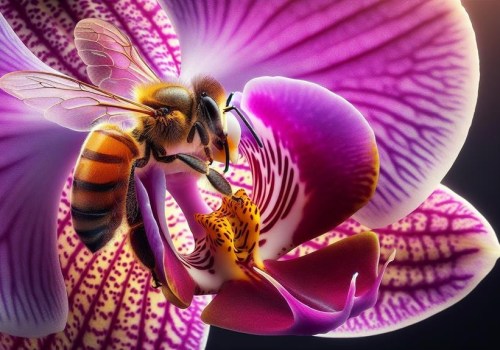
One of the most pervasive misconceptions about orchid conservation is the belief that these plants are merely ornamental and do not play a significant role in their ecosystems. In reality, orchids are vital components of biodiversity, contributing to the health and stability of their habitats. Orchids are known for their intricate relationships with various pollinators, including bees, butterflies, and even birds. These relationships are not just fascinating; they are essential for the reproduction of many orchid species. When orchids thrive, they support a diverse range of pollinators, which in turn helps maintain the ecological balance within their environments. Moreover, orchids often serve as indicators of environmental health.Their sensitivity to changes in habitat conditions means that a decline in orchid populations can signal broader ecological issues, such as habitat destruction or climate change. Protecting orchids thus becomes a crucial step in safeguarding entire ecosystems. Additionally, orchids contribute to soil health and nutrient cycling. Their roots can help stabilize soil and prevent erosion, while their decaying matter enriches the soil, promoting the growth of other plant species. This interconnectedness highlights how the conservation of orchids is not just about preserving a single species but about maintaining the intricate web of life that supports biodiversity. In summary, dismissing orchid conservation as unimportant undermines the critical role these plants play in sustaining biodiversity.
By protecting orchids, we are also protecting countless other species and ensuring the resilience of our ecosystems.
Misconception 5: Orchid Conservation Efforts Are Futile
One of the most pervasive misconceptions about orchid conservation is the belief that efforts to protect these delicate plants are ultimately futile. However, numerous success stories and effective strategies demonstrate that this is far from the truth.Success stories
abound in the realm of orchid conservation. For instance, the Cypripedium calceolus, commonly known as the lady's slipper orchid, has seen a remarkable recovery in certain regions due to targeted conservation initiatives. These efforts included habitat restoration and the establishment of protected areas, which have allowed populations to thrive once more.Another inspiring example is the work done with the Phragmipedium besseae, a species that was once on the brink of extinction.Conservationists implemented a combination of in-situ and ex-situ strategies, including seed banking and cultivation in controlled environments, which have successfully increased its numbers and genetic diversity.Effective conservation strategies often involve collaboration among various stakeholders, including local communities, governments, and non-profit organizations. By engaging local populations in conservation efforts, these initiatives not only protect orchids but also promote biodiversity and sustainable practices. For example, community-led reforestation projects have been instrumental in restoring habitats for orchids while providing economic benefits through ecotourism.Moreover, advancements in technology have enhanced our ability to conserve orchids. Techniques such as tissue culture and genetic analysis allow for better understanding and propagation of rare species.
These methods have proven invaluable in reintroducing orchids into their natural habitats with a higher success rate.In conclusion, while challenges remain in orchid conservation, the evidence clearly shows that concerted efforts can yield positive results. The stories of recovery and resilience among various orchid species serve as a beacon of hope, proving that with dedication and innovative strategies, we can indeed make a difference.
FAQs About Orchid Conservation Misconceptions
Understanding orchid conservation is crucial for both enthusiasts and the general public. Here are some common questions and misconceptions that often arise:- Are all orchids endangered? No, not all orchids are endangered. While some species face threats due to habitat loss and illegal collection, many orchids are thriving in their natural environments.
Conservation efforts focus on the most vulnerable species.
- Can I grow orchids without harming their natural habitats? Yes, you can cultivate orchids responsibly. By purchasing orchids from reputable nurseries that practice sustainable growing methods, you can enjoy these beautiful plants without contributing to habitat destruction.
- Do orchids require special care that makes them hard to grow? This is a common myth. While some orchid species have specific needs, many are quite adaptable and can thrive with basic care. Understanding the specific requirements of the orchid type you choose is key.
- Is it illegal to collect wild orchids? In many regions, it is illegal to collect wild orchids without a permit due to their protected status.
Always check local regulations before considering any collection.
- Are all orchid conservation efforts focused on rare species? No, while rare species often receive attention, conservation efforts also aim to protect entire ecosystems where orchids grow. This holistic approach helps maintain biodiversity.
Conclusion: The Importance of Accurate Information in Orchid Conservation
In conclusion, understanding the nuances of orchid conservation is crucial for fostering effective preservation efforts. Throughout this article, we have explored various misconceptions that can hinder progress in protecting these delicate plants. By addressing these myths, we can pave the way for more informed actions and policies that truly benefit orchid species and their habitats.One of the most significant takeaways is the need for accurate information.Misunderstandings about the ecological roles of orchids, their propagation methods, and the threats they face can lead to misguided conservation strategies. For instance, believing that all orchids are easy to cultivate can result in over-collection from the wild, further endangering native populations.Moreover, it is essential to recognize that orchid conservation is not solely the responsibility of conservationists or botanists. It requires a collective effort from local communities, policymakers, and enthusiasts alike. By promoting education and awareness about the true needs of orchids, we can encourage sustainable practices that protect these plants while also supporting biodiversity.Ultimately, dispelling myths surrounding orchid conservation empowers individuals and organizations to take meaningful action.
Whether through habitat restoration, responsible cultivation practices, or advocacy for protective legislation, every effort counts. As we move forward, let us commit to sharing accurate information and fostering a deeper appreciation for these remarkable plants and their vital role in our ecosystems.