Orchid conservation refers to the efforts and strategies aimed at protecting and preserving the diverse species of orchids, which are among the most captivating and ecologically significant plants on the planet. With over 25,000 species, orchids play a vital role in their ecosystems, contributing to biodiversity and providing essential habitats for various organisms. However, the importance of orchid conservation extends beyond mere aesthetics; it is crucial for maintaining ecological balance and supporting the health of our environment. The significance of orchid conservation cannot be overstated. Orchids are not only a source of beauty but also serve as indicators of environmental health.
Their sensitivity to changes in habitat conditions makes them valuable for monitoring ecosystem integrity. Unfortunately, these remarkable plants face numerous threats, including habitat destruction due to urbanization, climate change, and illegal poaching. As a result, many orchid species are now endangered or at risk of extinction. Understanding the threats to orchids is essential for effective conservation efforts. Habitat loss, primarily driven by agricultural expansion and deforestation, poses a significant challenge to their survival.
Additionally, climate change alters the delicate conditions that orchids require to thrive, while illegal collection for ornamental purposes further exacerbates their decline. By recognizing these challenges, we can better appreciate why education plays a pivotal role in promoting orchid conservation. Educating communities about the ecological importance of orchids and the threats they face fosters a sense of responsibility and encourages proactive measures to protect these extraordinary plants.
The Role of Education in Conservation
Education plays a pivotal role in orchid conservation by fostering a deeper understanding of the ecological significance of these unique plants. Through various educational initiatives, individuals and communities can learn about the threats facing orchids, such as habitat loss, climate change, and illegal trade.This knowledge is essential for cultivating a sense of responsibility towards preserving these delicate species.
Environmental Awareness
- Education enhances environmental awareness, enabling people to recognize the interconnectedness of ecosystems and the importance of biodiversity.
- By understanding the role orchids play in their habitats, individuals are more likely to support conservation efforts and sustainable practices.
Conservation Education Programs
Many organizations have developed conservation education programs aimed at engaging communities in orchid preservation. These programs often include:
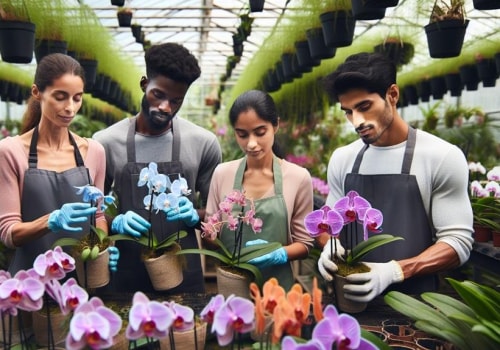
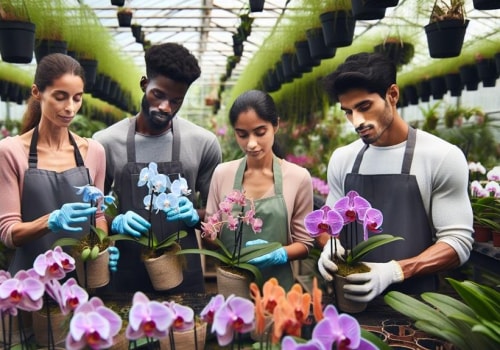
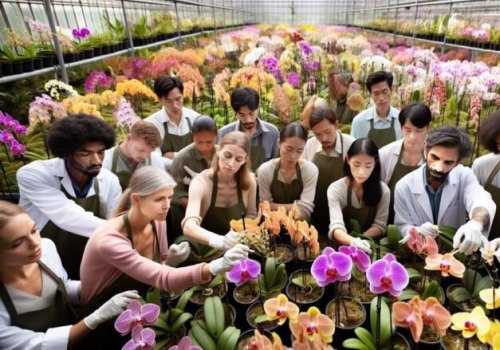
- Workshops and Seminars: These events provide hands-on learning experiences about orchid care, propagation techniques, and the ecological roles of orchids.
- Field Trips: Visits to natural habitats allow participants to observe orchids in their native environments, fostering a personal connection to these plants.
- Community Involvement: Engaging local communities in conservation projects encourages stewardship and collective action towards protecting orchid populations.
Educational Initiatives for Orchid Conservation
Education plays a pivotal role in orchid conservation by fostering awareness and understanding of the ecological importance of these unique plants.Various educational initiatives have emerged to engage different audiences, from school children to community members, in the efforts to protect and preserve orchid species.
Orchid Conservation Education Programs
Many organizations have developed specialized orchid conservation education programs that aim to teach participants about the biology, ecology, and conservation needs of orchids. These programs often include:- Interactive Workshops: Hands-on workshops allow participants to learn about orchid care, propagation techniques, and the importance of biodiversity.
- Field Trips: Guided excursions to local habitats where orchids grow help participants observe these plants in their natural environment, reinforcing the need for conservation.
- Guest Lectures: Experts in botany and conservation share their knowledge, providing insights into the challenges facing orchids and how individuals can contribute to their preservation.
School Programs on Orchids
Integrating orchid conservation into school curricula is another effective strategy. Schools can implement programs that include:- Science Projects: Students can engage in research projects focused on local orchid species, learning about their habitats and threats.
- Art and Awareness Campaigns: Creative projects such as art displays or presentations can raise awareness about the beauty and fragility of orchids.
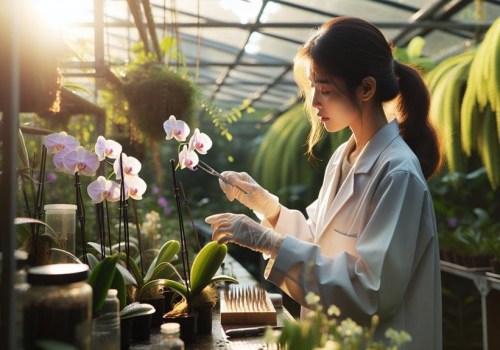
- Partnerships with Local Nurseries: Collaborations with nurseries can provide students with practical experience in orchid cultivation and care.
Community Outreach Efforts
Community outreach is essential for broadening the impact of orchid conservation. Local organizations often host events such as:- Conservation Days: Community members are invited to participate in planting events or habitat restoration projects.
- Public Seminars: Informative sessions aimed at educating the public about the significance of orchids and how they can help protect them.
- Volunteer Programs: Opportunities for community members to get involved in ongoing conservation efforts, fostering a sense of stewardship for local ecosystems.
Case Studies: Successful Education Programs in Orchid Conservation
Education plays a pivotal role in the success of orchid conservation efforts worldwide.Several case studies illustrate how targeted educational programs have led to significant advancements in the preservation of these delicate plants.
1.The Orchid Conservation Program in Costa Rica
In Costa Rica, the Orchid Conservation Program has successfully integrated education into its conservation strategy. This initiative focuses on local communities, teaching them about the ecological importance of orchids and their role in biodiversity. Workshops and hands-on activities engage participants, fostering a sense of ownership over local orchid species. As a result, community members have become active participants in conservation efforts, leading to a notable increase in orchid populations in protected areas.2.The Orchid Project in Madagascar
Madagascar's unique flora is under threat, but the Orchid Project has made strides through educational outreach.This program collaborates with schools to incorporate orchid conservation into science curricula. Students learn about the various species native to their region and the threats they face. By involving youth in conservation activities, such as planting and monitoring orchids, the project has not only raised awareness but also cultivated a new generation of conservationists dedicated to protecting their natural heritage.
3.The Orchid Society of Great Britain
The Orchid Society of Great Britain has implemented educational workshops that focus on sustainable practices for orchid cultivation and care. These workshops emphasize the importance of sourcing orchids ethically and understanding their natural habitats.Participants are encouraged to share their knowledge within their communities, creating a ripple effect that enhances public awareness about orchid conservation. The society reports increased participation in local conservation initiatives as a direct result of these educational efforts.These case studies highlight that effective education can lead to tangible outcomes in orchid conservation. By empowering communities and fostering a deeper understanding of ecological relationships, educational programs can significantly impact the preservation of these beautiful plants.
Challenges in Educating About Orchid Conservation
Educating the public about orchid conservation presents several challenges that can hinder effective communication and awareness. One of the primary barriers is the prevalence of misconceptions surrounding orchids themselves.Many people view orchids as exotic, high-maintenance plants that are only suitable for experienced gardeners. This perception can discourage individuals from engaging with conservation efforts, as they may believe that orchids are not relevant to their lives or that they cannot contribute to their preservation.Another significant challenge is the lack of accessible information regarding the ecological importance of orchids. While many individuals appreciate their beauty, few understand their role in ecosystems as indicators of environmental health. This gap in knowledge can lead to a lack of urgency in conservation efforts, as people may not recognize the potential consequences of losing orchid species.
- Limited Resources: Many conservation organizations operate with limited funding and resources, making it difficult to implement widespread educational programs.
- Cultural Barriers: In some regions, cultural beliefs and practices may conflict with conservation messages, leading to resistance against initiatives aimed at protecting orchids.
- Fragmented Messaging: The variety of stakeholders involved in orchid conservation—from scientists to hobbyists—can result in fragmented messaging that confuses the public rather than clarifying the importance of conservation efforts.
In areas where internet access is limited, online educational resources about orchid conservation may not reach those who need them most. This lack of access can prevent communities from participating in local conservation initiatives or understanding the significance of preserving native orchid species.To overcome these challenges, it is essential to develop targeted educational campaigns that address misconceptions directly and highlight the ecological value of orchids. Engaging local communities through hands-on workshops and interactive programs can foster a deeper appreciation for these plants and encourage active participation in their conservation.
Future Directions for Education in Orchid Conservation
As we look towards the future of orchid conservation, education will play a pivotal role in shaping effective strategies and fostering a deeper understanding of these delicate ecosystems. Innovative educational approaches are essential to engage diverse audiences and promote active participation in conservation efforts.Integrating Technology in Education
- Virtual Reality (VR) and Augmented Reality (AR): These technologies can create immersive experiences that allow learners to explore orchid habitats and understand their ecological significance without disturbing them in the wild.
- Online Learning Platforms: With the rise of digital education, platforms offering courses on orchid biology, conservation techniques, and sustainable practices can reach a global audience, making knowledge accessible to anyone interested in orchid conservation.
- Mobile Applications: Apps designed for citizen science can empower individuals to contribute to data collection on orchid populations, fostering a sense of community and responsibility towards conservation.
Innovative Teaching Methods
- Project-Based Learning: Engaging students in real-world conservation projects can enhance their understanding and commitment.
For instance, students could participate in local orchid restoration projects, applying their knowledge practically.
- Interdisciplinary Approaches: Combining biology, art, and technology can create a holistic educational experience. Workshops that blend scientific study with creative expression can inspire a broader appreciation for orchids.
- Community Involvement: Partnering with local organizations for workshops and events can help raise awareness about orchid conservation. Community-led initiatives can also foster stewardship among local populations.
FAQs about Orchid Conservation and Education
As interest in orchid conservation grows, many people have questions about how education plays a role in this vital effort.Here are some frequently asked questions that can help clarify the importance of education in promoting orchid conservation.
What are common questions about orchid conservation?
- Why are orchids important to ecosystems? Orchids play a crucial role in their ecosystems by providing habitat and food for various species, including pollinators like bees and butterflies.
- What threats do orchids face? Orchids are threatened by habitat loss, climate change, and illegal collection. Education can help raise awareness about these issues.
- How can I identify native orchids? Learning about local orchid species through educational programs can enhance your ability to identify and appreciate these plants in their natural habitats.
How can I get involved in orchid conservation education?
- Join local conservation groups: Many organizations offer workshops and volunteer opportunities focused on orchid conservation.
- Attend educational seminars: Look for seminars or webinars that discuss orchid biology, ecology, and conservation strategies.
- Participate in citizen science projects: Engaging in projects that monitor orchid populations can provide hands-on learning experiences.
What are the benefits of learning about orchids?
- Increased awareness: Understanding the ecological significance of orchids fosters a deeper appreciation for biodiversity.
- Empowerment: Knowledge equips individuals to advocate for policies that protect orchid habitats and promote sustainable practices.
- Community engagement: Education creates opportunities for collaboration among enthusiasts, scientists, and conservationists, strengthening community efforts toward orchid conservation.