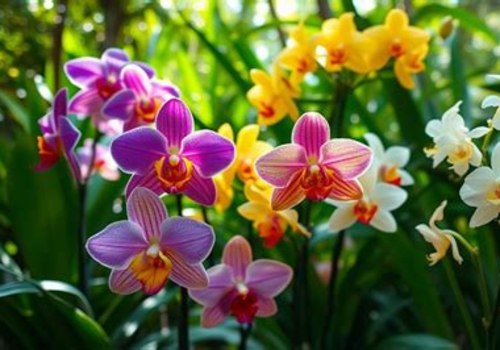
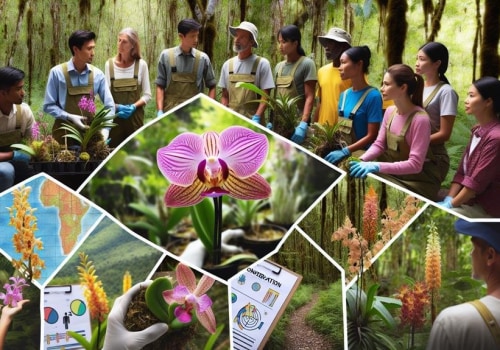
Orchid conservation refers to the efforts and practices aimed at protecting and preserving orchid species and their habitats. With over 25,000 species of orchids worldwide, these remarkable plants play a crucial role in maintaining biodiversity and supporting various ecosystems. The significance of orchid conservation extends beyond the aesthetic appeal of these flowers; it encompasses the preservation of genetic diversity, which is vital for ecological stability and resilience. Orchids are not only beautiful but also serve as important indicators of environmental health. Their presence or absence can signal changes in habitat quality, making them essential for monitoring ecosystem dynamics.
The definition of orchid conservation thus includes a range of activities, from habitat restoration and protection to research and education aimed at raising awareness about the threats facing these plants. Factors such as habitat destruction, climate change, and illegal trade have put many orchid species at risk, highlighting the urgent need for effective conservation strategies. By understanding what orchid conservation entails, we can appreciate its importance in safeguarding not just these unique plants but also the intricate web of life they support. Engaging in conservation efforts helps ensure that future generations can enjoy the beauty and ecological benefits that orchids provide.
The Importance of Orchids in Ecosystems
Orchids are not just beautiful flowers; they play a crucial role in maintaining the health and balance of ecosystems. Their unique adaptations and relationships with various organisms contribute significantly to biodiversity.Ecological Role of Orchids
- Pollination Relationships: Many orchids have evolved intricate relationships with specific pollinators, such as bees, butterflies, and moths.
These plants often rely on their pollinators for reproduction, while providing them with nectar or other rewards. This mutualistic relationship enhances the pollinator population and supports the overall health of the ecosystem.
- Biodiversity Indicators: Orchids are often considered indicators of environmental health. Their presence can signify a rich and diverse ecosystem, as they typically thrive in areas with a variety of other plant species. The decline of orchid populations can indicate broader ecological issues, such as habitat loss or climate change.
- Habitat Formation: Orchids contribute to habitat complexity by providing shelter and food for various organisms.
Their diverse forms and growth habits can create microhabitats that support a range of wildlife, from insects to birds.
Threats to Orchid Populations
Orchids, known for their stunning beauty and diversity, face numerous threats that jeopardize their survival.Understanding these threats is crucial for effective orchid conservation efforts.Habitat Loss One of the primary factors affecting orchid populations is habitat loss. Urbanization, agriculture, and deforestation have led to the destruction of natural habitats where orchids thrive. As forests are cleared for development or farming, the delicate ecosystems that support these plants are disrupted, making it increasingly difficult for them to survive.Climate Change Climate change poses another significant threat to orchids. Changes in temperature and precipitation patterns can alter the delicate balance of their ecosystems.
Many orchid species are highly specialized and adapted to specific environmental conditions; even slight changes can lead to population declines or extinction. For instance, increased temperatures may affect their pollinators, further complicating their reproductive success.Illegal Trade The illegal trade of orchids is a growing concern that exacerbates the risk of extinction for many species. Collectors often target rare orchids, leading to overharvesting and depletion of wild populations. This not only threatens the species being harvested but also disrupts local ecosystems that rely on these plants.Other Factors
- Pests and Diseases: Orchids are susceptible to various pests and diseases that can devastate populations if not managed properly.
- Invasive Species: Non-native plants and animals can outcompete orchids for resources, further threatening their survival.
Effective orchid conservation strategies must focus on habitat protection, climate resilience, and combating illegal trade to ensure these remarkable plants continue to thrive for future generations.
Conservation Strategies for Orchids
Effective orchid conservation requires a multifaceted approach that combines various strategies to protect these delicate plants. Below are some of the most impactful methods of orchid conservation.Habitat Protection
One of the primary strategies for conserving orchids is the protection of their natural habitats. This involves:- Establishing Protected Areas: Designating national parks, reserves, and conservation areas helps safeguard the ecosystems where orchids thrive.
- Restoration Projects: Actively restoring degraded habitats can create suitable environments for native orchid species to flourish.
- Land Use Planning: Implementing sustainable land use practices minimizes habitat destruction caused by agriculture, urban development, and logging.
Cultivation Practices
In addition to protecting natural habitats, cultivation practices play a crucial role in protecting orchids. These practices include:- Propagation Techniques: Utilizing tissue culture and seed propagation can help increase orchid populations in controlled environments.
- Ex-situ Conservation: Growing orchids in botanical gardens or nurseries allows for the preservation of species that are endangered in the wild.
- Sustainable Harvesting: Implementing guidelines for the collection of wild orchids ensures that populations remain viable while allowing for responsible use.
Community Involvement
The success of orchid conservation efforts often hinges on community engagement.Strategies to involve local communities include:
- Education and Awareness: Raising awareness about the importance of orchids and their ecosystems encourages community members to participate in conservation efforts.
- Citizen Science Programs: Involving locals in monitoring orchid populations fosters a sense of ownership and responsibility towards their preservation.
- Partnerships with Local Organizations: Collaborating with NGOs and local groups can amplify conservation efforts and provide resources for sustainable practices.
Successful Orchid Conservation Case Studies
Orchid conservation efforts have seen remarkable success in various parts of the world, showcasing innovative strategies and community involvement. Here are some notable case studies that highlight effective practices in orchid conservation.1.The Orchid Conservation Program in Hawaii
Hawaii is home to a unique array of native orchids, many of which are endangered due to habitat loss and invasive species. The Hawaiian Department of Land and Natural Resources has implemented a comprehensive conservation program that includes:- Habitat restoration: Rehabilitating native ecosystems to support orchid growth.
- Seed banking: Collecting and storing seeds from rare orchid species to ensure genetic diversity.
- Public education: Engaging local communities through workshops and outreach programs to raise awareness about the importance of orchids.
2.The Orchid Rescue Project in Southeast Asia
The Orchid Rescue Project, initiated in Thailand, focuses on protecting endangered orchids from illegal trade and habitat destruction. Key components of this initiative include:- Community involvement: Training local farmers in sustainable practices that promote orchid cultivation without harming wild populations.
- Legislation advocacy: Working with government bodies to strengthen laws against illegal orchid trafficking.
- Research and monitoring: Conducting studies on orchid populations to inform conservation strategies and track progress.
3.The Global Orchid Conservation Initiative
A collaborative effort among various international organizations, the Global Orchid Conservation Initiative aims to protect orchids worldwide through:- International partnerships: Collaborating with botanical gardens and research institutions to share knowledge and resources.
- Conservation breeding programs: Establishing breeding programs for critically endangered species, ensuring their survival for future generations.
- Awareness campaigns: Launching global campaigns to educate the public about the ecological significance of orchids.
By learning from these examples, we can continue to develop effective strategies for preserving these beautiful and ecologically important plants.
How You Can Help with Orchid Conservation
Orchid conservation is a vital effort that requires the participation of individuals and organizations alike. Here are some actionable steps you can take to contribute to orchid conservation:- Educate Yourself and Others: Understanding the importance of orchids in ecosystems and their current threats is crucial. Share your knowledge with friends, family, and community members to raise awareness about orchid preservation.
- Support Local Conservation Groups: Many organizations focus on protecting native orchid species. Consider volunteering your time or donating to these groups to help fund their conservation efforts.
- Participate in Citizen Science: Join local initiatives that involve monitoring orchid populations or habitats.
Your observations can contribute valuable data for researchers working on orchid conservation.
- Promote Sustainable Practices: If you are a gardener or landscaper, choose native orchids and avoid using pesticides that can harm these delicate plants. Encourage others to do the same.
- Advocate for Policy Change: Engage with local policymakers to support legislation that protects natural habitats where orchids thrive. Your voice can make a difference in promoting orchid preservation.
- Join Orchid Societies: Becoming a member of an orchid society can connect you with like-minded individuals who are passionate about conservation. These groups often organize events focused on education and preservation.
Every action counts, whether it’s spreading awareness or actively participating in conservation projects.
FAQs about Orchid Conservation
Orchid conservation is a vital topic that raises many questions among enthusiasts and environmentalists alike. Here are some frequently asked questions that can help clarify common misconceptions and provide deeper insights into this important subject.- What is orchid conservation?
Orchid conservation refers to the efforts made to protect and preserve orchid species and their habitats. This includes in-situ conservation, which focuses on protecting orchids in their natural environments, and ex-situ conservation, which involves cultivating orchids in controlled settings such as botanical gardens. - Why are orchids important to conserve?
Orchids play a crucial role in biodiversity and ecosystem health. They are often indicators of environmental quality and contribute to the overall balance of their ecosystems.Additionally, many orchids have cultural significance and are valued for their beauty and medicinal properties.
- What are the main threats to orchids?
The primary threats to orchids include habitat destruction due to urbanization, deforestation, and agricultural expansion. Other significant threats are climate change, illegal collection, and invasive species that disrupt local ecosystems. - How can individuals help with orchid conservation?
Individuals can contribute to orchid conservation by supporting local conservation organizations, participating in habitat restoration projects, and avoiding the purchase of wild-collected orchids. Educating others about the importance of orchids can also foster greater awareness and action. - Are there any successful orchid conservation programs?
Yes, numerous successful programs exist worldwide. For instance, the Orchid Conservation Alliance works to protect endangered species through habitat preservation and education.Many botanical gardens also engage in breeding programs aimed at reintroducing orchids into their natural habitats.
Conclusion: The Future of Orchid Conservation
In conclusion, orchid conservation is not merely a niche interest but a vital component of global biodiversity efforts. As we have explored, orchids play a significant role in their ecosystems, contributing to the health of various habitats and supporting numerous species. The threats they face—from habitat destruction to climate change—underscore the urgent need for dedicated conservation strategies.Efforts such as habitat restoration, sustainable cultivation practices, and public education are essential in ensuring that these beautiful plants continue to thrive. By fostering awareness and appreciation for orchids, we can inspire future generations to engage in conservation efforts.- Community Involvement: Local communities can play a crucial role in orchid conservation by participating in conservation programs and supporting sustainable practices.
- Research and Education: Ongoing research is necessary to understand the specific needs of different orchid species and to develop effective conservation strategies.
- Legislation: Stronger legal protections for orchid habitats can help mitigate the impacts of development and exploitation.
By prioritizing these efforts, we not only preserve the beauty and diversity of orchids but also contribute to the overall health of our planet. It is imperative that we recognize our responsibility in this endeavor, ensuring that these remarkable plants continue to flourish for generations to come.