Orchid conservation is a critical aspect of environmental preservation that focuses on protecting and sustaining the diverse species of orchids found around the globe. With over 25,000 recognized species, orchids represent one of the largest families of flowering plants, showcasing an incredible variety of shapes, colors, and sizes. However, despite their beauty and ecological importance, many orchid species are facing significant threats due to habitat loss, climate change, and illegal trade. Understanding orchid conservation is essential not only for preserving these unique plants but also for maintaining the ecosystems they inhabit. The importance of orchid conservation extends beyond the aesthetic appeal of these flowers.
Orchids play a vital role in their ecosystems as pollinators and as part of the food web. They contribute to biodiversity, which is crucial for ecosystem resilience and health. Unfortunately, many orchid species are experiencing a rapid decline, with some already classified as endangered or extinct in the wild. This alarming trend highlights the urgent need for awareness and action to protect these remarkable plants. Raising awareness about orchid conservation is imperative for fostering a collective responsibility towards environmental stewardship.
By educating communities about the threats facing orchids and the significance of their preservation, we can inspire action that leads to effective conservation strategies. Whether through community engagement, educational programs, or partnerships with conservation organizations, every effort counts in the fight to save these extraordinary plants from extinction.
The Role of Education in Orchid Conservation
Education plays a pivotal role in orchid conservation, as it empowers individuals and communities to understand the significance of these unique plants and the ecosystems they inhabit. By fostering a deeper appreciation for orchids, educational initiatives can inspire action towards their preservation.One effective approach is the implementation of conservation education programs in schools. These programs can include:- Curriculum Integration: Incorporating lessons about orchids into science classes can help students learn about plant biology, ecology, and the specific threats that orchids face, such as habitat loss and climate change.
- Field Trips: Organizing visits to local botanical gardens or natural reserves allows students to observe orchids in their natural habitats, fostering a personal connection to these plants.
- Hands-On Activities: Engaging students in activities like planting orchids or participating in conservation projects can provide practical experience and instill a sense of responsibility towards nature.
These workshops can cover various topics, including:
- Orchid Care: Teaching community members how to care for orchids can promote responsible ownership and discourage the collection of wild orchids.
- Conservation Strategies: Discussing local conservation efforts and how individuals can contribute, such as volunteering for habitat restoration projects or supporting local conservation organizations.
- Cultural Significance: Highlighting the cultural importance of orchids in different societies can deepen appreciation and respect for these plants.
Community Engagement and Local Initiatives
Engaging local communities in orchid conservation is essential for fostering a sense of responsibility and stewardship towards these delicate plants. By organizing events and volunteer programs, communities can actively participate in conservation efforts while raising awareness about the importance of preserving orchid species.Community Involvement
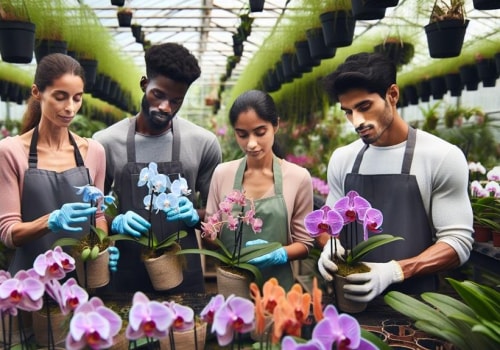
- Workshops and Educational Programs: Hosting workshops that educate community members about the significance of orchids and their ecosystems can inspire individuals to take action. These programs can cover topics such as orchid biology, habitat preservation, and sustainable gardening practices.
- Local Conservation Events: Organizing events like orchid shows, plant swaps, or guided nature walks can attract attention to the beauty and diversity of orchids.
These gatherings not only celebrate orchids but also serve as platforms for discussing conservation challenges and solutions.
- Volunteer Opportunities: Creating volunteer programs that involve community members in hands-on conservation activities, such as habitat restoration or monitoring local orchid populations, can foster a deeper connection to the environment.
Partnerships with Organizations
Collaborating with local conservation organizations can amplify the impact of community initiatives. By partnering with established groups, communities can access resources, expertise, and funding to support their orchid conservation efforts. These partnerships can lead to:
- Joint Research Projects: Engaging in research initiatives that focus on local orchid species can provide valuable data for conservation strategies.
- Awareness Campaigns: Working together on campaigns that highlight the importance of orchids in local ecosystems can reach a broader audience and encourage more people to get involved.
- Grassroots Movements: Supporting grassroots movements dedicated to orchid conservation can empower individuals to advocate for policies that protect these plants at local and regional levels.
Utilizing Social Media and Digital Campaigns
In today's digital age, social media serves as a powerful tool for raising awareness about critical issues, including orchid conservation. By leveraging various platforms, advocates can reach a broader audience and engage individuals in meaningful conversations about the importance of protecting these delicate species.Creating Engaging Content
- Visual storytelling is key.
High-quality images and videos of orchids in their natural habitats can captivate viewers and evoke emotional responses.
- Infographics that highlight the threats to orchids and the benefits of conservation can simplify complex information, making it more digestible for the audience.
- Live streams or virtual tours of orchid habitats can provide an immersive experience, allowing followers to connect with the beauty and fragility of these plants.
Utilizing Hashtags and Campaigns
- Creating specific hashtags such as #OrchidConservation or #SaveOurOrchids can help consolidate posts related to orchid conservation, making it easier for users to find and share information.
- Digital campaigns that encourage users to share their own orchid photos or stories can foster community engagement and raise awareness organically.
- Collaborating with existing environmental campaigns can amplify reach and impact, drawing in audiences who are already passionate about conservation.
Influencer Partnerships
Partnering with influencers who have a passion for nature and conservation can significantly enhance outreach efforts. These individuals often have dedicated followings that trust their recommendations. By sharing content related to orchid conservation, influencers can inspire their audiences to take action, whether through donations, volunteering, or simply spreading the word.
Online Activism
The rise of online activism has made it easier than ever for individuals to participate in conservation efforts. Social media platforms can be used to organize petitions, promote fundraising events, or share educational resources about the importance of preserving orchids.
By creating a sense of urgency and community around these initiatives, advocates can mobilize support and drive real change.In conclusion, utilizing social media and digital campaigns effectively can play a pivotal role in raising awareness about orchid conservation. By engaging content, strategic hashtags, influencer partnerships, and online activism, we can inspire collective action to protect these beautiful plants for future generations.
Collaborations with Botanical Gardens and Conservation Organizations
Collaborations between botanical gardens, non-governmental organizations (NGOs), and other conservation entities play a crucial role in promoting orchid conservation. These partnerships can enhance research efforts, increase public awareness, and provide essential resources for preserving these delicate species.Botanical gardens
serve as vital hubs for orchid research and conservation. They often house extensive collections of orchids, which can be used for scientific study and breeding programs aimed at preserving endangered species.By collaborating with universities and research institutions, botanical gardens can facilitate important studies that contribute to our understanding of orchid biology, ecology, and the threats they face.Moreover, partnerships with NGOs focused on environmental conservation can amplify outreach efforts. These organizations often have established networks and resources that can help raise awareness about the importance of orchid preservation. For instance, joint campaigns can be organized to educate the public about the ecological significance of orchids and the challenges they encounter due to habitat loss and climate change.
- Community Engagement: Collaborative events such as workshops, seminars, and guided tours can engage local communities in conservation efforts. These activities not only educate participants but also foster a sense of stewardship towards local orchid populations.
- Funding Opportunities: Partnerships can open doors to funding from governmental and private sources dedicated to conservation projects.
This financial support is essential for implementing effective conservation strategies.
- Seed Banks and Genetic Preservation: Collaborations can lead to the establishment of seed banks that preserve genetic material from various orchid species. This is crucial for future restoration efforts and maintaining biodiversity.
The Impact of Legislation on Orchid Conservation Efforts
Legislation plays a crucial role in the realm of orchid conservation, as it can either bolster efforts to protect these delicate species or inadvertently contribute to their decline. Various laws and regulations exist at both national and international levels, aimed at safeguarding orchids from illegal trade, habitat destruction, and other threats.International Treaties and Agreements
- The Convention on International Trade in Endangered Species of Wild Fauna and Flora (CITES) is one of the most significant frameworks for orchid protection.
It regulates international trade of endangered orchid species, ensuring that their survival is not compromised by commercial interests.
- Additionally, the Convention on Biological Diversity (CBD) emphasizes the importance of conserving biodiversity, including orchids, and encourages countries to develop national strategies for their protection.
National Legislation
- In the United States, the Endangered Species Act (ESA) provides a legal framework for the protection of threatened and endangered plant species, including certain orchids. This act allows for habitat preservation and recovery plans that are essential for the survival of these plants.
- State-level laws also play a vital role. Many states have enacted their own regulations to protect native orchids from poaching and habitat loss, often requiring permits for collection or sale.
The Role of Advocacy
Advocacy groups are instrumental in shaping policy changes for conservation. They raise public awareness about the plight of orchids and lobby for stronger protections.
By mobilizing community support and engaging with policymakers, these organizations can influence legislation that directly impacts orchid conservation efforts.Moreover, public education campaigns can inform individuals about the importance of preserving orchid habitats and encourage responsible practices among collectors and enthusiasts. As awareness grows, so does the pressure on lawmakers to enact more stringent protections for these beautiful yet vulnerable plants.
Success Stories in Orchid Conservation
Orchid conservation has seen numerous successful initiatives that not only protect these beautiful plants but also raise awareness about their ecological importance. Here are some notable examples:- The Orchid Conservation Program in Madagascar: This initiative focuses on the preservation of endemic orchid species found in Madagascar's unique ecosystems. By collaborating with local communities, the program has successfully cultivated and reintroduced several threatened species back into their natural habitats.
Educational workshops have also been conducted to inform locals about the significance of orchids in biodiversity.
- Project Orchid in Southeast Asia: A collaborative effort among various NGOs, this project aims to restore orchid populations in deforested areas. Through community engagement and sustainable farming practices, Project Orchid has not only increased orchid numbers but has also improved local livelihoods by promoting eco-tourism centered around orchid viewing.
- The Royal Botanic Gardens, Kew: Kew's extensive research and conservation programs have led to the successful propagation of several endangered orchid species. Their work includes seed banking and tissue culture techniques, which have been pivotal in preserving genetic diversity. Kew also shares its findings globally, inspiring other conservation efforts.
They demonstrate that with the right strategies and community involvement, it is possible to make a significant impact on the preservation of these delicate plants. Furthermore, these success stories serve as a beacon of hope, encouraging further initiatives aimed at protecting orchids and their habitats.
FAQs About Orchid Conservation Awareness
As awareness about orchid conservation grows, many people have questions regarding its significance and how they can contribute. Here are some frequently asked questions that clarify common misconceptions and provide insights into raising awareness for orchids.What is the importance of orchid conservation?
Orchids are not only beautiful but also play a crucial role in their ecosystems. They contribute to biodiversity, support various wildlife, and can even indicate the health of their environment.Conserving orchids helps maintain ecological balance and protects the habitats they thrive in.
How can I raise awareness about orchid conservation?
- Educate yourself and others: Share information about the importance of orchids and the threats they face through social media, community events, or workshops.
- Participate in local conservation efforts: Join or support organizations dedicated to orchid conservation. Volunteering for planting or restoration projects can make a significant impact.
- Create engaging content: Write articles, create videos, or start a blog focused on orchid conservation to reach a wider audience.
What are some common misconceptions about orchids?
- Orchids are only for experts: Many believe that growing orchids requires advanced knowledge. In reality, there are many species that are easy to care for, making them accessible to beginners.
- All orchids are endangered: While some species face threats due to habitat loss and illegal trade, many orchids are thriving in their natural environments. Awareness can help protect those at risk.
- Orchids don’t need conservation: This misconception overlooks the fact that many orchid species are vulnerable and require active conservation efforts to ensure their survival.
Conclusion: The Path Forward for Orchid Conservation Awareness
In conclusion, raising awareness about orchid conservation is not just a task for environmentalists; it is a collective responsibility that requires the involvement of individuals, communities, and organizations alike.Throughout this article, we have explored various strategies to enhance public understanding and appreciation of these remarkable plants. One of the most effective ways to foster awareness is through education. By integrating orchid conservation topics into school curricula and community workshops, we can cultivate a new generation that values biodiversity and understands the ecological significance of orchids. Additionally, leveraging social media platforms can amplify our message, reaching a broader audience and encouraging discussions around conservation efforts. Moreover, partnerships with local botanical gardens and conservation groups can create opportunities for hands-on experiences. These collaborations can facilitate guided tours, workshops, and volunteer programs that engage the public directly with orchid conservation initiatives. Furthermore, hosting events such as orchid shows or festivals can draw attention to the beauty and diversity of orchids while simultaneously educating attendees about their conservation status.
These events can serve as platforms for fundraising efforts aimed at supporting research and habitat preservation. Ultimately, the path forward for orchid conservation awareness lies in our ability to communicate the urgency of protecting these species. By sharing success stories and highlighting the role orchids play in our ecosystems, we can inspire action and foster a sense of stewardship among all individuals. Together, we can ensure that future generations inherit a world where orchids continue to thrive.