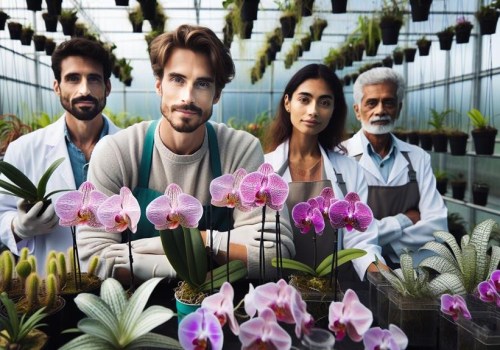
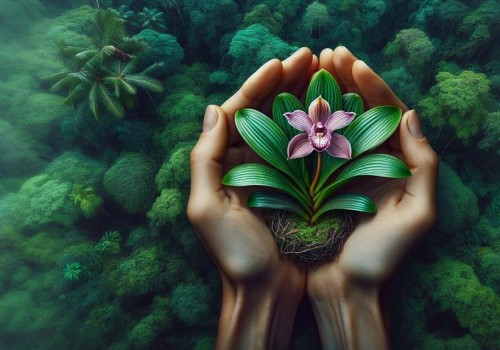
Orchids are not just beautiful flowers; they play a crucial role in maintaining the health of our ecosystems. With over 25,000 species, orchids represent one of the most diverse families of flowering plants on the planet. Their biodiversity is essential for ecological balance, as they provide habitat and food for various organisms, including insects, birds, and mammals. This intricate web of life highlights the importance of orchid conservation, as the loss of these plants can lead to significant disruptions in their respective environments. Beyond their ecological significance, orchids hold immense cultural value across the globe.
They have been symbols of love, beauty, and strength in many cultures, often featured in art, literature, and traditional practices. The fascination with orchids has led to a thriving horticultural industry that not only supports local economies but also fosters a deeper appreciation for nature. However, this popularity can also contribute to their decline through over-collection and habitat destruction. Understanding the importance of orchids is vital for advocating for their protection. As we delve into the various threats they face and explore effective conservation strategies, it becomes clear that preserving these remarkable plants is not just about saving a flower; it’s about safeguarding the intricate ecosystems they support and the cultural heritage they embody.
The Threats Facing Orchids Today
Orchids, known for their stunning beauty and diversity, are facing numerous threats that jeopardize their survival.Understanding these threats is crucial for effective orchid conservation.
Habitat loss
is one of the most significant challenges facing orchid species today. As urbanization expands and agricultural practices intensify, natural habitats are being destroyed at an alarming rate. Forests, wetlands, and grasslands that provide essential ecosystems for orchids are being cleared for development and farming. This destruction not only reduces the available space for orchids to grow but also disrupts the delicate balance of their ecosystems. Another pressing issue is climate change.The effects of climate change on orchids are profound and multifaceted. Rising temperatures can alter the blooming cycles of orchids, affecting their reproduction and survival rates. Additionally, changes in precipitation patterns can lead to droughts or flooding, both of which can be detrimental to orchid populations. Some species may struggle to adapt to these rapid environmental changes, leading to a decline in their numbers. Furthermore, the illegal trade of orchids poses a significant threat.
Many rare and endangered species are poached from their natural habitats to meet the demands of collectors and the floral industry. This not only depletes wild populations but also disrupts local ecosystems where these orchids play a vital role. In summary, the threats facing orchids today—ranging from habitat loss and climate change to illegal trade—underscore the urgent need for comprehensive conservation efforts. Protecting these unique plants requires a multifaceted approach that addresses both environmental challenges and human activities.
Current Conservation Efforts for Orchids
Efforts to protect orchids from extinction have gained momentum in recent years, with various orchid conservation programs emerging globally. These initiatives aim to safeguard the diverse species of orchids that face threats from habitat loss, climate change, and illegal trade.One notable example is the Orchid Conservation Program initiated by the Royal Botanic Gardens, Kew.This program focuses on the conservation of endangered orchid species through research, habitat restoration, and community engagement. By collaborating with local communities, Kew has successfully implemented sustainable practices that not only protect orchids but also enhance local livelihoods.Another successful initiative is the Orchid Rescue Project, which operates in various regions, including Southeast Asia and Central America. This project aims to rescue orchids from areas threatened by deforestation and urban development. Through propagation and reintroduction efforts, the project has successfully restored several native orchid populations to their natural habitats.Organizations such as the International Union for Conservation of Nature (IUCN) play a crucial role in global orchid conservation efforts.
The IUCN's Red List of Threatened Species provides vital information on the conservation status of various orchid species, guiding conservationists in prioritizing their efforts.In addition to these programs, local organizations like the American Orchid Society actively promote orchid conservation through education and awareness campaigns. They provide resources for hobbyists and collectors to ensure that their practices do not contribute to the decline of wild orchid populations.Overall, the combination of scientific research, community involvement, and public awareness is essential for the success of orchid conservation. By supporting these ongoing projects and organizations, we can help ensure that future generations will continue to enjoy the beauty and diversity of orchids.
How Individuals Can Contribute to Orchid Conservation
Orchid conservation is not solely the responsibility of large organizations or governments; individuals play a crucial role in protecting these beautiful plants. Here are some actionable steps you can take to contribute to orchid conservation:- Educate Yourself and Others: Understanding the importance of orchids and the threats they face is the first step.
Share your knowledge with friends, family, and community members to raise awareness about orchid conservation.
- Support Local Conservation Efforts: Many local organizations focus on protecting native orchid species. Get involved by volunteering your time or donating to these groups. Your support can help fund essential research and conservation projects.
- Participate in Community Events: Join local workshops, plant sales, or conservation events. These gatherings often provide opportunities to learn more about orchids and how to care for them while connecting with like-minded individuals.
- Grow Native Orchids: If you have a green thumb, consider cultivating native orchid species in your garden.
This not only helps preserve local biodiversity but also provides a habitat for pollinators that are essential for orchid reproduction.
- Avoid Wild Harvesting: Never collect orchids from the wild. Many species are endangered due to habitat loss and over-collection. Instead, purchase orchids from reputable nurseries that propagate plants sustainably.
- Advocate for Policy Change: Engage with local policymakers to promote laws that protect orchid habitats. Your voice can influence decisions that impact conservation efforts at a larger scale.
Remember, every small action counts when it comes to protecting orchids from extinction. Together, we can foster a community dedicated to preserving these remarkable plants for generations to come.
The Role of Education in Orchid Conservation
Education plays a pivotal role in orchid conservation, serving as a foundation for raising awareness and fostering a culture of environmental stewardship. By integrating orchid conservation into educational curricula, we can inspire future generations to appreciate and protect these delicate plants.One effective approach is to develop educational programs that focus on the ecological significance of orchids. These programs can include:- Workshops that teach students about the various species of orchids, their habitats, and the threats they face.
- Field trips to local botanical gardens or natural reserves where students can observe orchids in their natural environment.
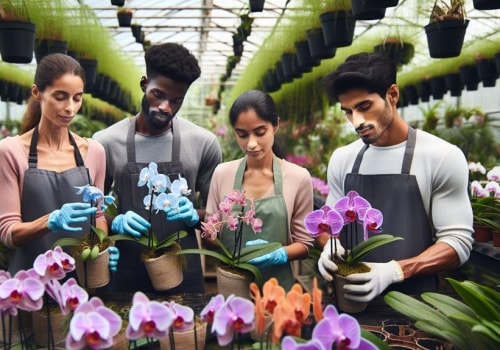
- Hands-on activities, such as planting and caring for orchids, which can instill a sense of responsibility and connection to nature.
Community outreach initiatives can engage the public through:
- Public seminars and talks by experts in botany and conservation.
- Social media campaigns that highlight the beauty and diversity of orchids, encouraging people to share their experiences and knowledge.
- Collaborations with local organizations to promote conservation efforts and educate the community about sustainable practices.
Future Directions for Orchid Conservation
As we look towards the future of orchid conservation, it is essential to embrace innovative strategies that leverage technology and research advancements. The integration of genetic research plays a pivotal role in understanding the resilience of various orchid species. By studying their genetic makeup, scientists can identify traits that contribute to survival in changing environments, which can inform breeding programs aimed at enhancing these traits.One promising approach is the use of biotechnology, including tissue culture and cloning techniques, to propagate endangered orchid species.This method not only allows for the rapid multiplication of plants but also helps maintain genetic diversity, which is crucial for long-term survival. Additionally, in vitro conservation techniques can safeguard orchids from habitat loss and disease.Another innovative strategy involves the use of community engagement and education programs. By involving local communities in conservation efforts, we can foster a sense of ownership and responsibility towards these beautiful plants. Workshops and educational campaigns can raise awareness about the importance of orchids in ecosystems and encourage sustainable practices that protect their habitats.
Research initiatives
are also vital for the future of orchid conservation.
Collaborative projects between universities, botanical gardens, and conservation organizations can lead to significant breakthroughs in understanding orchid ecology and biology. For instance, studies on pollination mechanisms and symbiotic relationships with fungi can provide insights into how to create optimal conditions for orchid growth in the wild.Finally, leveraging technology such as remote sensing and geographic information systems (GIS) can enhance our ability to monitor orchid populations and their habitats. These tools allow conservationists to track changes in land use, climate impacts, and other environmental factors that threaten orchids.In conclusion, the future of orchid conservation hinges on a multifaceted approach that combines cutting-edge research, community involvement, and technological advancements. By embracing these innovative strategies, we can work towards ensuring that orchids not only survive but thrive for generations to come.
Frequently Asked Questions about Orchid Conservation
Orchid conservation is a vital topic as these beautiful plants face numerous threats.Here are some frequently asked questions that can help deepen your understanding of how to protect orchids from extinction.
What are the main threats to orchids?
Orchids are primarily threatened by habitat loss, climate change, and illegal collection. Deforestation for agriculture and urban development destroys their natural habitats, while climate change alters the conditions necessary for their survival. Additionally, poaching for the exotic plant trade puts immense pressure on wild populations.How can I contribute to orchid conservation?
Individuals can play a significant role in orchid conservation by:- Supporting conservation organizations: Donate or volunteer with groups dedicated to protecting orchids and their habitats.
- Educating others: Share knowledge about the importance of orchids and the threats they face.
- Choosing sustainable options: When purchasing orchids, opt for those that are cultivated rather than wild-harvested.
What are some care tips for orchid conservationists?
If you are an orchid enthusiast looking to contribute to conservation efforts, consider these care tips:- Proper watering: Ensure that your orchids receive the right amount of water without becoming waterlogged.
- Optimal lighting: Provide adequate light conditions that mimic their natural habitat, avoiding direct sunlight that can scorch leaves.
- Pest management: Regularly check for pests and diseases, using organic methods whenever possible to minimize harm to the environment.
Conclusion: The Path Forward for Orchid Conservation
In conclusion, the journey towards orchid conservation is both challenging and essential. As we have explored, the threats facing these exquisite plants are multifaceted, ranging from habitat destruction to climate change and illegal trade.However, by understanding these challenges, we can take meaningful steps to protect them. Collective action is paramount. It is not just the responsibility of conservationists and scientists; every individual can contribute to the cause. Here are some key takeaways that highlight the path forward:
- Education and Awareness: Raising awareness about the importance of orchids and their ecological roles can inspire more people to engage in conservation efforts.
- Support Conservation Organizations: Donating to or volunteering with organizations dedicated to orchid conservation can amplify efforts to protect these species.
- Promote Sustainable Practices: Encouraging sustainable gardening and landscaping practices can help preserve natural habitats while allowing people to enjoy orchids in their own spaces.
- Advocate for Policy Change: Supporting policies that protect natural habitats and regulate trade can create a safer environment for orchids.
Together, we can make a difference in the fight against extinction and secure a vibrant future for orchids worldwide.