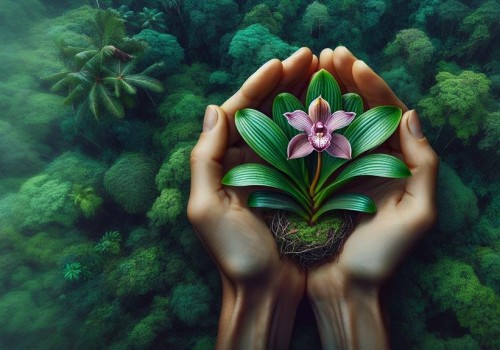
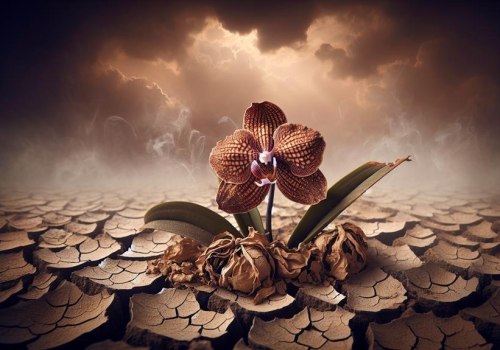
Orchid conservation is a critical aspect of preserving the planet's biodiversity, focusing on the protection and sustainable management of orchid species that are increasingly threatened by habitat loss, climate change, and illegal trade. With over 25,000 recognized species, orchids represent one of the largest families of flowering plants, showcasing an incredible diversity in form, color, and ecological role. However, many of these species are at risk, making orchid conservation efforts essential not only for their survival but also for maintaining the health of ecosystems where they play a vital role. The importance of orchid conservation extends beyond the aesthetic appeal of these plants. Orchids contribute to their ecosystems by providing habitat and food for various pollinators, including bees and butterflies.
They also serve as indicators of environmental health; a decline in orchid populations can signal broader ecological issues. Therefore, protecting these unique plants is crucial for sustaining biodiversity and ensuring that ecosystems remain resilient in the face of environmental changes. Among the many species at risk, some are critically endangered due to specific threats such as deforestation and climate fluctuations. For instance, the Paphiopedilum rothschildianum, known as Rothschild's slipper orchid, is highly sought after in horticulture but faces severe habitat destruction. Understanding the challenges faced by these species is vital for developing effective conservation strategies that not only protect individual orchids but also promote overall ecosystem health.
Current Challenges in Orchid Conservation
Orchid conservation faces a myriad of challenges that threaten the survival of these exquisite plants.Understanding these challenges is essential for developing effective conservation strategies. One of the most pressing issues is habitat loss. As urbanization and agricultural expansion continue to encroach on natural landscapes, many orchid species find their habitats destroyed or fragmented. This loss not only reduces the available space for orchids to thrive but also disrupts the intricate ecosystems they are part of. Another significant threat is climate change. Orchids are particularly sensitive to changes in temperature and humidity, which can alter their growth patterns and reproductive cycles.
As global temperatures rise, many orchid species may struggle to adapt to new climatic conditions, leading to declines in their populations. Additionally, the illegal trade of orchids poses a severe risk. Many rare and endangered species are poached from their natural habitats and sold on the black market. This not only depletes wild populations but also undermines conservation efforts aimed at protecting these beautiful plants. To effectively address these challenges, it is crucial to implement comprehensive conservation strategies that include:
- Habitat protection: Establishing protected areas and restoring degraded habitats can provide safe havens for orchids.
- Climate adaptation strategies: Researching and developing methods to help orchids adapt to changing climates can enhance their resilience.
- Regulation of trade: Strengthening laws against illegal orchid trade and promoting sustainable practices can help safeguard vulnerable species.
The Role of Education and Awareness
Education plays a pivotal role in orchid conservation, as it empowers individuals and communities to understand the importance of these unique plants and the ecosystems they inhabit. By fostering a deeper appreciation for orchids, we can inspire action and commitment to their preservation.Community Programs
- Workshops and Seminars: Local organizations can host workshops that educate participants about the various species of orchids, their habitats, and the threats they face.
These events can also teach practical skills such as orchid cultivation and care.
- School Programs: Integrating orchid conservation into school curricula can engage young minds. Field trips to local botanical gardens or conservation areas can provide hands-on learning experiences that instill a sense of responsibility towards nature.
- Citizen Science Initiatives: Encouraging community members to participate in data collection and monitoring of local orchid populations can enhance public involvement. This not only aids scientific research but also fosters a sense of ownership over local biodiversity.
Raising Awareness
Awareness campaigns are essential for highlighting the significance of orchid conservation. Utilizing social media platforms, local news outlets, and community events can effectively spread the message.
Here are some strategies:
- Social Media Campaigns: Engaging visuals and informative posts about orchids can reach a wide audience, encouraging people to learn more and get involved.
- Public Exhibitions: Organizing exhibitions that showcase different orchid species and their ecological roles can attract attention and educate visitors about conservation efforts.
- Partnerships with Local Businesses: Collaborating with nurseries and garden centers to promote native orchids can help raise awareness while supporting local economies.
Collaborative Conservation Efforts
Ensuring the long-term sustainability of orchid conservation requires a multifaceted approach that emphasizes collaboration among various stakeholders, including governments, non-governmental organizations (NGOs), and local communities. By fostering partnerships, we can leverage resources, knowledge, and expertise to create effective conservation strategies.Collaboration in Orchid Conservation
- Governments: National and local governments play a crucial role in establishing policies that protect orchid habitats. By working together with NGOs and community groups, they can implement regulations that promote sustainable land use and prevent habitat destruction.
- NGOs: Organizations dedicated to environmental conservation often have the expertise and funding necessary to support orchid conservation initiatives.
For example, NGOs can conduct research on orchid species, raise awareness about their ecological importance, and engage in restoration projects.
- Local Communities: Involving local communities is essential for the success of conservation efforts. These communities often possess valuable traditional knowledge about orchids and their ecosystems. By empowering them through education and sustainable practices, we can ensure that they become active participants in conservation.
Successful Partnerships for Conservation
One notable example of successful collaboration is the partnership between the Royal Botanic Gardens, Kew, and local farmers in Southeast Asia. This initiative focuses on cultivating native orchids while providing economic benefits to the farmers.
By promoting sustainable harvesting practices, this partnership not only conserves orchid species but also supports local livelihoods.Another example is the work of the Orchid Conservation Alliance, which collaborates with various NGOs to protect endangered orchid species across different regions. Their efforts include habitat restoration projects and educational programs aimed at raising awareness about the threats facing orchids.In conclusion, fostering collaborative conservation efforts is vital for the long-term sustainability of orchid conservation. By uniting governments, NGOs, and local communities, we can create a robust framework that supports both the preservation of these beautiful plants and the well-being of those who depend on them.
Sustainable Practices in Orchid Cultivation
To ensure the long-term sustainability of orchid conservation, it is crucial for both commercial growers and hobbyists to adopt sustainable practices in orchid cultivation. These practices not only protect wild populations but also promote healthier ecosystems.1.Use Native Species:
Whenever possible, opt for native orchid species that are adapted to local conditions.
This reduces the need for chemical fertilizers and pesticides, which can harm the environment.
2.Organic Growing Methods:
Implementing organic growing methods is essential. Utilize organic fertilizers, such as compost or well-rotted manure, to nourish your orchids. This approach minimizes chemical runoff and promotes soil health.
3.Water Conservation:
Efficient water use is vital in sustainable orchid cultivation. Consider using rainwater collection systems or drip irrigation to reduce water waste.
Additionally, ensure that pots have proper drainage to prevent overwatering.
4.Integrated Pest Management (IPM):
Adopt an IPM approach to manage pests and diseases. This includes monitoring plants regularly, using natural predators, and applying organic treatments when necessary, thus reducing reliance on harmful chemicals.
5.Sustainable Sourcing:
When purchasing orchids or supplies, choose vendors who prioritize sustainability. Look for certifications that indicate eco-friendly practices and support local growers who practice responsible harvesting methods.
6.Education and Community Involvement:
Engage with local orchid societies or conservation groups to stay informed about best practices and participate in community conservation efforts. Sharing knowledge and resources can amplify the impact of sustainable practices.By implementing these eco-friendly orchid care strategies, growers can contribute significantly to the preservation of orchids in their natural habitats while enjoying the beauty of these remarkable plants in their gardens.
Policy and Legislation for Orchid Protection
Effective orchid conservation relies heavily on robust policies and legislation that safeguard these delicate plants from threats such as habitat destruction, illegal trade, and climate change.Currently, various international agreements and national laws exist to protect orchids, but there is a pressing need for enhancements to these frameworks.
International Agreements
- The Convention on International Trade in Endangered Species of Wild Fauna and Flora (CITES) plays a crucial role in regulating the trade of endangered orchid species. By listing certain orchids under its appendices, CITES helps prevent over-exploitation.
- The Convention on Biological Diversity (CBD) encourages countries to develop strategies for the conservation of biodiversity, including orchids. However, implementation varies significantly across nations.
National Legislation
- Many countries have enacted laws to protect native orchid species. For instance, the Endangered Species Act in the United States provides legal protection for threatened and endangered orchids.
- However, enforcement of these laws can be inconsistent, often due to limited resources or lack of awareness among local communities.
Potential Improvements
- Strengthening existing laws by increasing penalties for illegal trade and habitat destruction can serve as a deterrent against violations.
- Enhancing public awareness campaigns about the importance of orchid conservation can foster community involvement and support for protective measures.
- Encouraging collaboration between governments, NGOs, and local communities can lead to more effective conservation strategies tailored to specific regions.
By addressing gaps in enforcement and fostering international cooperation, we can ensure that these beautiful plants continue to thrive for generations to come.
The Future of Orchid Conservation: Innovations and Research
As we look towards the future of orchid conservation, it is essential to embrace innovations and cutting-edge research that can significantly enhance our efforts. The integration of technology into conservation practices is paving the way for more effective strategies to protect these delicate species.Innovative Approaches in Orchid Conservation
- Genetic Research: Advances in genetic sequencing are allowing researchers to better understand the genetic diversity of orchid populations. This knowledge is crucial for developing targeted conservation strategies that can help maintain genetic health and resilience.
- Biotechnology: Techniques such as tissue culture and cloning are being utilized to propagate endangered orchid species. These methods not only increase the number of plants available for reintroduction into their natural habitats but also help preserve genetic material.
- Remote Sensing: The use of drones and satellite imagery is revolutionizing how we monitor orchid habitats.
These technologies enable conservationists to assess environmental changes, track population dynamics, and identify potential threats from climate change or habitat destruction.
The Role of Research in Conservation Efforts
Ongoing research initiatives are critical for understanding the ecological needs of orchids. Studies focusing on their symbiotic relationships with fungi and pollinators provide insights that can inform habitat management practices. Furthermore, research into the effects of climate change on orchid species helps predict future challenges and develop adaptive strategies.
Technology-Driven Solutions
- Mobile Applications: New apps are being developed to engage citizen scientists in orchid monitoring. These platforms allow enthusiasts to report sightings, contributing valuable data to conservation databases.
- Artificial Intelligence: AI algorithms are being employed to analyze large datasets related to orchid populations, helping researchers identify trends and make data-driven decisions for conservation planning.
By embracing new technologies and fostering collaborative efforts among scientists, conservationists, and the public, we can create a sustainable framework that ensures the survival of these beautiful plants for generations to come.
FAQs about Orchid Conservation
Orchid conservation is a vital topic that raises many questions among enthusiasts and environmentalists alike. Here are some frequently asked questions that can help clarify the importance of conserving these beautiful plants.What are the common threats to orchids?
Orchids face numerous threats that contribute to their endangerment, including:- Habitat loss: Urbanization, agriculture, and deforestation significantly reduce the natural habitats where orchids thrive.
- Climate change: Altered weather patterns can disrupt the delicate ecosystems that support orchid growth.
- Over-collection: Many species are harvested for ornamental purposes, leading to population declines.
- Pests and diseases: Invasive species and pathogens can threaten native orchid populations.
How can I help with orchid conservation?
There are several ways individuals can contribute to orchid conservation efforts:- Support conservation organizations: Donate to or volunteer with groups dedicated to protecting orchids and their habitats.
- Educate others: Share information about the importance of orchids and the threats they face to raise awareness.
- Avoid purchasing wild-collected orchids: Opt for cultivated varieties instead, which helps reduce pressure on wild populations.
- Create a suitable habitat: If you have space, consider planting native orchids in your garden to support local biodiversity.
Why are orchids endangered?
The endangerment of orchids is primarily due to human activities. The combination of habitat destruction, climate change, and illegal collection has led to a significant decline in many species. Additionally, orchids have specific ecological requirements that make them particularly vulnerable.For instance, some species rely on particular fungi for nutrient uptake, making them less adaptable to changing environments.By understanding these factors and actively participating in conservation efforts, we can help ensure that future generations will continue to enjoy the beauty and diversity of orchids.
Conclusion: A Call to Action for Orchid Conservation
In conclusion, the journey towards ensuring the long-term sustainability of orchid conservation is a collective effort that requires the commitment of individuals, communities, and organizations alike. Throughout this article, we have explored the multifaceted challenges facing orchid species, including habitat loss, climate change, and illegal trade. Each of these factors not only threatens the survival of these exquisite plants but also disrupts the delicate ecosystems they inhabit.To effectively combat these challenges, it is essential to implement a series of actionable strategies:- Support Local Conservation Initiatives: Engage with and contribute to local organizations dedicated to orchid conservation. These groups often have a profound understanding of regional ecosystems and can implement targeted conservation efforts.
- Promote Sustainable Practices: Advocate for sustainable land-use practices that protect natural habitats.
This includes supporting policies that limit deforestation and promote biodiversity.
- Educate and Raise Awareness: Share knowledge about the importance of orchids in our ecosystems. Education can empower communities to take action and foster a culture of conservation.
- Participate in Citizen Science: Get involved in citizen science projects that monitor orchid populations and contribute valuable data to researchers.
Together, we can create a sustainable future where these stunning flowers continue to thrive in their natural habitats. Join us in this vital mission—your voice matters in the fight for orchid conservation.