Orchids are among the most diverse and captivating plants on the planet, boasting over 25,000 species that exhibit a stunning array of colors, shapes, and sizes. However, orchid conservation has become increasingly critical as these beautiful flowers face numerous threats. Habitat destruction, climate change, and illegal trade are just a few of the challenges that jeopardize their survival. Understanding the importance of orchid conservation is essential not only for preserving these unique species but also for maintaining the ecological balance they help support. The significance of conserving orchids extends beyond their aesthetic appeal.
Orchids play vital roles in their ecosystems, serving as pollinators for various insects and contributing to the overall health of their habitats. Unfortunately, many orchid species are now classified as endangered or threatened due to human activities and environmental changes. This alarming trend highlights the urgent need for effective conservation strategies that address both the immediate threats and the long-term sustainability of orchid populations. As we delve deeper into the topic of orchid conservation, it becomes clear that genetic diversity is a key factor in these efforts. A rich genetic pool enhances a species' ability to adapt to changing environments and resist diseases, making it crucial for the resilience of orchid populations.
By fostering genetic diversity through conservation initiatives, we can ensure that these remarkable plants continue to thrive for generations to come.
The Role of Genetic Diversity in Ecosystems
Genetic diversity refers to the variety of genes within a species, which is crucial for the survival and adaptability of populations. In the context of orchid conservation, understanding genetic diversity is essential for maintaining healthy ecosystems. Orchids, known for their beauty and ecological significance, rely on a diverse gene pool to thrive in changing environments.One of the primary benefits of genetic diversity is its role in enhancing ecosystem health. A genetically diverse population can better withstand diseases and pests, as some individuals may possess traits that confer resistance.This resilience is vital in the face of environmental changes, such as climate fluctuations or habitat destruction, which can threaten orchid populations.Moreover, genetic variation among orchids contributes to their ability to adapt to new conditions. For instance, if a particular strain of orchid is susceptible to a specific pathogen, other genetically distinct strains may survive and reproduce, ensuring the continuation of the species. This adaptability not only supports the orchids themselves but also benefits the broader ecosystem by maintaining biodiversity.
- Resilience Against Diseases: Genetic diversity allows for a range of responses to pathogens, reducing the risk of widespread mortality.
- Adaptation to Environmental Changes: Diverse genetic traits enable populations to adjust to shifting climates and habitats.
- Support for Pollinator Relationships: Different orchid varieties attract various pollinators, enhancing ecosystem interactions.
Why Genetic Diversity Matters for Orchids
Genetic diversity is a cornerstone of orchid conservation, playing a pivotal role in the survival and adaptability of various orchid species.This diversity allows orchids to thrive in a range of environments, which is increasingly important as climate change and habitat destruction pose significant threats to their existence. One of the primary benefits of genetic diversity is its contribution to orchid species survival. A genetically diverse population is more resilient to environmental changes, such as shifts in temperature and precipitation patterns. For instance, orchids with varied genetic backgrounds may possess different traits that enable some individuals to survive in harsher conditions, thereby ensuring the continuation of the species. Moreover, genetic diversity enhances an orchid's ability to resist diseases and pests. When a population lacks genetic variation, it becomes vulnerable to pathogens that can decimate entire groups.
In contrast, a genetically diverse population can harbor individuals with natural resistance, allowing them to withstand outbreaks that could otherwise threaten their survival. Additionally, genetic diversity facilitates orchid adaptation to new environments. As orchids encounter different ecological niches, those with varied genetic traits are more likely to adapt successfully. This adaptability is crucial for maintaining healthy populations in the face of ongoing environmental changes. In summary, fostering genetic diversity within orchid populations is essential for their long-term conservation. By ensuring that these plants can adapt to changing conditions and resist diseases, conservation efforts can help secure the future of these remarkable species.
Threats to Genetic Diversity in Orchids
Genetic diversity in orchids is increasingly threatened by a variety of factors, each contributing to the decline of these unique plants.Understanding these threats is crucial for developing effective orchid conservation strategies.
Habitat Loss
One of the most significant threats to orchid genetic diversity is habitat loss. Urbanization, agriculture, and deforestation have led to the destruction of natural habitats where orchids thrive. As their environments are altered or eliminated, many orchid species face extinction. The fragmentation of habitats not only reduces the available space for orchids but also isolates populations, making it difficult for them to interbreed and maintain genetic diversity.
Climate Change Effects
Climate change poses another serious threat to orchid genetic diversity.
Changes in temperature and precipitation patterns can disrupt the delicate ecosystems that support these plants. For instance, some orchids may not be able to adapt quickly enough to shifting climates, leading to population declines. Additionally, altered weather patterns can affect pollinator availability, further impacting orchid reproduction and genetic exchange.
Over-Collection
The allure of orchids has led to their over-collection in the wild, particularly for ornamental purposes. This practice not only reduces the number of individuals in a population but also diminishes genetic variation.
When rare species are harvested excessively, it can lead to a genetic bottleneck, where the remaining population lacks sufficient diversity to adapt to environmental changes or resist diseases.
Invasive Species
Invasive species also threaten orchid genetic diversity by competing for resources and altering habitats. These non-native plants can outcompete orchids for light, nutrients, and space, leading to declines in native populations. The introduction of invasive species can disrupt local ecosystems and further complicate conservation efforts.In summary, addressing the threats to genetic diversity in orchids requires a multifaceted approach that includes habitat protection, climate adaptation strategies, and regulations on collection practices. By understanding these challenges, conservationists can better protect these remarkable plants and ensure their survival for future generations.
Conservation Strategies to Enhance Genetic Diversity
To effectively enhance genetic diversity in orchid populations, a variety of conservation strategies can be employed.These strategies not only aim to protect existing species but also to foster resilience against environmental changes and diseases.
- Seed Banking: One of the most effective methods for preserving genetic diversity is through seed banking. This involves collecting and storing seeds from various orchid species in controlled environments. By maintaining a diverse seed bank, conservationists can ensure that a wide range of genetic material is available for future restoration efforts. This method also allows for the reintroduction of genetically diverse plants into their natural habitats, which can help bolster declining populations.
- Habitat Restoration: Restoring natural habitats is crucial for the survival of orchids.
Many species are threatened by habitat loss due to urbanization, agriculture, and climate change.
Habitat restoration
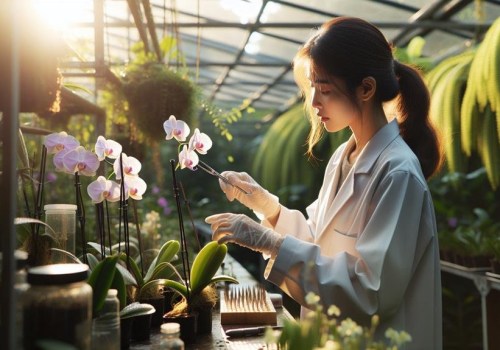
efforts focus on rehabilitating ecosystems to support the growth of native orchids. This may include removing invasive species, re-establishing native flora, and improving soil conditions to create a more favorable environment for orchids to thrive. - Controlled Breeding Programs: In cases where wild populations are critically low, controlled breeding programs can be implemented. These programs involve breeding orchids in a controlled setting to increase genetic variation and produce resilient offspring.
By carefully selecting parent plants with diverse genetic backgrounds, conservationists can enhance the overall health and adaptability of orchid populations.
Case Studies: Successful Orchid Conservation Efforts
Several successful orchid conservation projects around the world have demonstrated the critical role of genetic diversity in preserving these unique plants. These case studies not only highlight effective strategies but also provide valuable lessons for future conservation efforts.1.The Orchid Conservation Program in Hawaii
Hawaii is home to many endemic orchid species, some of which are critically endangered. The Orchid Conservation Program, initiated by the Hawaii Department of Land and Natural Resources, focuses on collecting seeds from various populations to maintain genetic diversity.By creating seed banks and conducting controlled breeding programs, they have successfully reintroduced several species back into their natural habitats.
2.The European Orchid Conservation Network
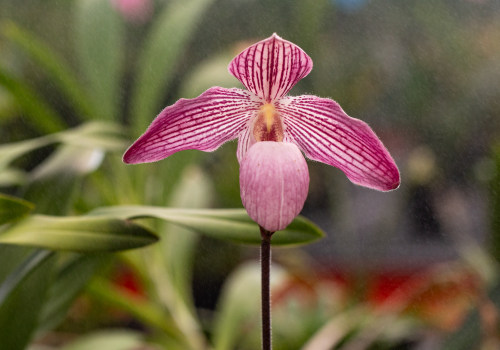
This network comprises various organizations across Europe dedicated to conserving native orchids. One notable project involved the reintroduction of the Lady's Slipper Orchid (Cypripedium calceolus) in the UK. By utilizing genetic analysis, conservationists identified the most genetically diverse populations for propagation, ensuring that reintroduced plants could adapt better to changing environmental conditions.3.The Global Orchid Conservation Initiative
This initiative aims to protect orchid species worldwide through habitat restoration and community engagement. In Southeast Asia, local communities have been trained in sustainable harvesting techniques, allowing them to cultivate orchids without depleting wild populations.This approach not only preserves genetic diversity but also empowers local people to take an active role in orchid conservation.These case studies illustrate that successful orchid conservation relies heavily on understanding and maintaining genetic diversity. By implementing strategies that prioritize genetic health, conservationists can enhance the resilience of orchid populations against threats such as climate change and habitat loss.
Future Directions in Orchid Conservation Research
As the field of orchid conservation evolves, researchers are increasingly focusing on innovative techniques that leverage technology to enhance the preservation of genetic diversity. One promising direction is the use of genomic sequencing, which allows scientists to analyze the genetic makeup of various orchid species. This technology not only aids in identifying genetic variations but also helps in understanding the evolutionary relationships among different species, which is crucial for effective conservation strategies.Another emerging trend is the application of biobanking, where genetic material from orchids is preserved for future research and restoration efforts.By creating a repository of genetic resources, conservationists can ensure that diverse genetic traits are available for breeding programs aimed at enhancing resilience against environmental changes and diseases.Furthermore, the integration of artificial intelligence (AI) in monitoring orchid populations is gaining traction. AI algorithms can analyze vast amounts of data from various sources, including satellite imagery and field surveys, to predict population trends and identify areas at risk. This proactive approach enables conservationists to implement targeted interventions before populations decline significantly.Collaboration between researchers, conservation organizations, and local communities is also vital for the future of orchid conservation. Engaging local stakeholders not only fosters a sense of ownership but also ensures that traditional knowledge is incorporated into modern conservation practices.
This holistic approach can lead to more sustainable outcomes.In summary, the future of orchid conservation lies in embracing innovative research techniques and technologies that enhance our understanding of genetic diversity. By combining genomic insights with advanced monitoring tools and community engagement, we can develop more effective strategies to protect these remarkable plants for generations to come.
FAQs about Orchid Conservation and Genetic Diversity
Understanding the relationship between genetic diversity and orchid conservation is crucial for preserving these unique plants. Here are some frequently asked questions that shed light on this important topic:- Why is genetic diversity important for orchids?
Genetic diversity allows orchid populations to adapt to changing environmental conditions, resist diseases, and maintain overall health. A diverse gene pool increases the chances of survival for species facing threats such as climate change and habitat loss. - How does genetic diversity affect orchid breeding programs?
In breeding programs, maintaining genetic diversity is essential to produce resilient hybrids.By incorporating a wide range of genetic material, breeders can enhance traits such as flower size, color, and disease resistance, ultimately contributing to successful conservation efforts.
- What are the risks of low genetic diversity in orchids?
Low genetic diversity can lead to inbreeding, which may result in reduced fertility, increased susceptibility to diseases, and a higher likelihood of extinction. Conservation strategies must prioritize the preservation of diverse genetic stocks to mitigate these risks. - How can we promote genetic diversity in orchid conservation?
Conservationists can promote genetic diversity by establishing seed banks, creating protected areas, and implementing habitat restoration projects. Collaborating with local communities and researchers also helps in identifying and preserving diverse orchid populations.