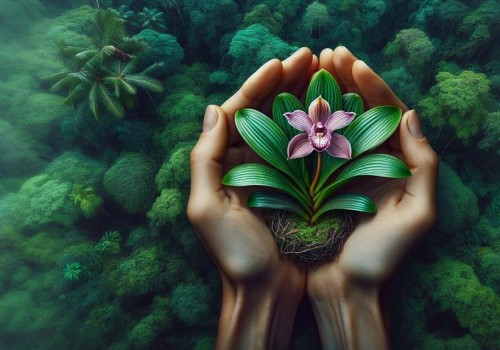
Orchids are not just beautiful flowers; they play a crucial role in maintaining ecological balance. With over 25,000 species, orchids contribute significantly to biodiversity, providing habitats for various organisms and supporting pollination processes. Their unique adaptations and intricate relationships with pollinators make them vital indicators of environmental health. However, the importance of orchid conservation extends beyond their ecological roles; these plants also hold cultural significance and economic value, particularly in horticulture and traditional medicine. Despite their importance, orchids face numerous threats that jeopardize their survival.
Habitat destruction due to urbanization, agriculture, and deforestation is one of the primary challenges. Additionally, climate change poses a significant risk by altering the delicate ecosystems in which orchids thrive. Over-collection for ornamental purposes further exacerbates the decline of many species. As a result, understanding the multifaceted threats to orchids is essential for effective conservation strategies. In light of these challenges, partnerships between various stakeholders—such as conservation organizations, local communities, researchers, and government agencies—are becoming increasingly vital.
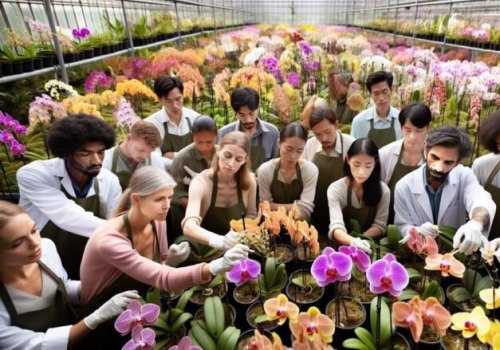
Collaborative efforts can enhance orchid conservation initiatives by pooling resources, sharing knowledge, and fostering community engagement. By working together, these groups can develop comprehensive strategies that address both the immediate threats to orchids and the broader environmental issues affecting their habitats.
The Role of Partnerships in Conservation
Partnerships play a crucial role in orchid conservation, as they bring together diverse stakeholders who share a common goal: the preservation of these delicate and often endangered plants. Collaborative efforts can significantly enhance the effectiveness of conservation strategies, leading to more sustainable outcomes.One of the primary benefits of partnerships in conservation is the pooling of resources. Different organizations, whether they are non-profits, governmental agencies, or academic institutions, often have unique strengths and capabilities.By working together, they can leverage their individual resources—such as funding, expertise, and technology—to create a more robust conservation framework.
- Knowledge Sharing: Partnerships facilitate the exchange of information and best practices. For instance, researchers studying orchid genetics can collaborate with local conservation groups to implement field studies that inform habitat restoration efforts.
- Community Engagement: Involving local communities in conservation initiatives is vital for success. Partnerships that include community members ensure that conservation strategies are culturally relevant and supported by those who live in proximity to orchid habitats.
- Policy Advocacy: Collaborative efforts can amplify voices in policy discussions. When multiple organizations unite to advocate for stronger environmental protections, they can influence legislation that benefits orchid conservation.
For example, a partnership between scientists and local artisans could result in sustainable harvesting practices for orchids used in traditional crafts, balancing economic needs with conservation goals.In conclusion, the role of partnerships in orchid conservation cannot be overstated. By fostering collaboration among various stakeholders, these alliances not only enhance resource efficiency but also promote a holistic approach to preserving biodiversity. As the challenges facing orchids continue to grow, the need for effective partnerships will be more critical than ever.
Key Stakeholders in Orchid Conservation
Orchid conservation is a multifaceted endeavor that requires the collaboration of various stakeholders. Each group plays a unique role in ensuring the survival and sustainability of these delicate plants.- Non-Governmental Organizations (NGOs): NGOs are often at the forefront of orchid conservation efforts.
They engage in activities such as habitat restoration, public education, and fundraising. Organizations like the Orchid Conservation Alliance work tirelessly to protect endangered species and promote sustainable practices.
- Government Agencies: Local, state, and federal government bodies are crucial in establishing regulations and policies that protect orchid habitats. They may provide funding for research and conservation projects, enforce laws against illegal harvesting, and collaborate with NGOs to implement conservation strategies.
- Researchers: Scientists and researchers contribute valuable knowledge about orchid biology, ecology, and genetics. Their studies help identify threats to orchid populations and inform conservation strategies.
By understanding the specific needs of different orchid species, researchers can guide effective management practices.
- Local Communities: The involvement of local communities is essential for successful orchid conservation. These communities often have traditional knowledge about local ecosystems and can play a significant role in habitat protection. Engaging locals in conservation efforts fosters stewardship and ensures that initiatives are culturally relevant and sustainable.
This collaborative approach not only aids in the preservation of orchids but also promotes biodiversity and ecosystem health.
Case Studies of Successful Partnerships
Partnerships in orchid conservation have proven to be instrumental in the success of various projects around the globe. By combining resources, expertise, and local knowledge, these collaborations have led to significant advancements in the preservation of endangered orchid species. Below are notable case studies that exemplify the effectiveness of such partnerships.1.The Orchid Conservation Alliance and Local Communities
The Orchid Conservation Alliance (OCA) has partnered with local communities in Central America to protect native orchid habitats. This initiative focuses on educating local populations about the ecological and economic value of orchids.By involving community members in conservation efforts, the OCA has successfully established sustainable practices that not only protect orchids but also enhance local livelihoods through eco-tourism.
2.The Royal Botanic Gardens, Kew and International Collaborations
The Royal Botanic Gardens, Kew, has engaged in numerous international partnerships aimed at conserving orchid diversity. One successful project involved collaboration with institutions in Southeast Asia to conduct research on threatened orchid species. This partnership facilitated the sharing of genetic material and best practices for cultivation, leading to improved propagation techniques that have increased the survival rates of several endangered orchids.3.The Global Environment Facility and Regional Initiatives
The Global Environment Facility (GEF) has funded various regional initiatives that focus on orchid conservation. One such project in Madagascar brought together government agencies, NGOs, and local farmers to restore degraded habitats critical for endemic orchids.By creating a network of protected areas and promoting sustainable agricultural practices, this partnership has not only safeguarded orchid populations but also improved biodiversity overall.These case studies highlight key factors that contribute to successful partnerships in orchid conservation: strong community involvement, international collaboration, and a focus on sustainable practices. The lessons learned from these initiatives can serve as a blueprint for future conservation efforts, emphasizing the importance of working together across different sectors to achieve common goals.
Challenges Faced by Collaborative Efforts
Partnerships in orchid conservation can be incredibly beneficial, yet they are not without their challenges. One of the primary obstacles is the differing goals among stakeholders. For instance, while conservationists may prioritize habitat preservation, local communities might focus on economic development through tourism or agriculture.This divergence can lead to conflicts that hinder collaborative efforts.Resource limitations also pose significant challenges. Many organizations involved in orchid conservation operate on tight budgets and limited manpower. This scarcity can result in competition for funding and resources, making it difficult to align efforts effectively. Additionally, the lack of shared resources can lead to duplicated efforts, where multiple groups work on similar projects without coordination.
Conflict Resolution Strategies
To navigate these challenges, effective conflict resolution strategies are essential.Establishing clear communication channels among all parties involved is crucial. Regular meetings and open forums can facilitate dialogue, allowing stakeholders to express their concerns and aspirations. Furthermore, employing a mediator with experience in conservation partnerships can help bridge gaps between conflicting interests.Another effective strategy is to create a shared vision that incorporates the diverse goals of all stakeholders. By identifying common objectives, such as the long-term sustainability of orchid populations and the economic benefits of conservation, partners can work towards a unified approach.Ultimately, while challenges in conservation partnerships are significant, they are not insurmountable.
With commitment and strategic planning, stakeholders can overcome these obstacles and contribute to successful orchid conservation efforts.
Innovative Approaches to Partnership Development
In the realm of orchid conservation, innovative approaches to partnership development are crucial for fostering collaboration among various stakeholders. These partnerships can include government agencies, non-profit organizations, academic institutions, and local communities, all working together towards a common goal of preserving these delicate species.One of the most promising strategies involves leveraging technology to enhance communication and engagement. For instance, mobile applications can be developed to allow enthusiasts and researchers to report sightings of orchids, track their health, and share data in real-time. This not only aids in monitoring populations but also encourages citizen science, where individuals contribute to conservation efforts.Social media platforms serve as another powerful tool for building awareness and mobilizing support.Campaigns that highlight the beauty and ecological importance of orchids can reach a global audience, inspiring people to participate in conservation initiatives. By sharing success stories and educational content, organizations can foster a sense of community among orchid lovers and conservationists alike.Moreover, innovative funding models such as crowdfunding can be utilized to support specific orchid conservation projects. By engaging the public in financial contributions, organizations can secure necessary resources while simultaneously raising awareness about the threats facing orchids.Finally, interdisciplinary collaborations are essential for developing comprehensive conservation strategies. By bringing together experts from fields such as botany, ecology, technology, and social sciences, partnerships can create multifaceted approaches that address both the biological needs of orchids and the socio-economic factors affecting their habitats.In conclusion, embracing new approaches to partnerships through technology and community engagement is vital for advancing orchid conservation.
These innovative strategies not only enhance the effectiveness of conservation efforts but also build a more inclusive movement that values diverse contributions.
Future Directions for Orchid Conservation Partnerships
As we look to the future of orchid conservation, it is clear that innovative partnerships will play a crucial role in addressing the challenges faced by these delicate species. Emerging trends indicate a shift towards more collaborative approaches that integrate various stakeholders, including governmental bodies, non-profit organizations, academic institutions, and local communities.Trends in Conservation Partnerships
- Cross-Sector Collaboration: Increasingly, partnerships are forming across different sectors, such as agriculture and tourism, to promote sustainable practices that benefit both orchids and local economies.
- Community Engagement: Local communities are becoming vital partners in conservation efforts. Their traditional knowledge and vested interest in preserving local biodiversity can lead to more effective conservation strategies.
- Technology Integration: The use of technology, such as remote sensing and data analytics, is enhancing the ability of partners to monitor orchid populations and assess the effectiveness of conservation measures.
Next Steps for Collaboration
To prepare for upcoming challenges in orchid conservation, stakeholders should consider the following steps:
- Establish Clear Goals: Defining specific, measurable objectives for partnerships can help align efforts and resources effectively.
- Foster Open Communication: Regular dialogue among partners is essential for sharing insights, successes, and setbacks, which can inform future strategies.
- Invest in Education: Raising awareness about the importance of orchids and their ecosystems can galvanize public support and encourage more individuals to participate in conservation efforts.
FAQs about Orchid Conservation Partnerships
Partnerships play a crucial role in orchid conservation, and many people have questions about how these collaborations function and their impact. Here are some frequently asked questions regarding partnerships in orchid conservation:What types of organizations typically partner for orchid conservation?
Orchid conservation efforts often involve a diverse range of partners, including:- Non-profit organizations focused on environmental protection
- Government agencies responsible for wildlife and habitat management
- Academic institutions conducting research on orchid species
- Local communities that rely on orchids for cultural or economic reasons
- Private sector companies interested in sustainable practices and biodiversity
How do partnerships enhance the effectiveness of conservation efforts?
Collaborative efforts can significantly enhance the effectiveness of orchid conservation.Here are some key benefits:
- Diverse expertise: Different organizations bring unique skills and knowledge, leading to more comprehensive strategies.
- Resource sharing: Partnerships allow for pooling of financial, human, and technical resources, making projects more feasible.
- Broader outreach: Collaborations can reach wider audiences, raising awareness and support for conservation initiatives.
- Increased funding opportunities: Joint proposals can attract more funding from various sources.
What are common concerns regarding partnerships in orchid conservation?
While partnerships can be beneficial, there are also common concerns that arise:- Conflicting goals: Different organizations may have varying priorities that can complicate collaboration.
- Lack of communication: Effective communication is essential; misunderstandings can hinder progress.
- Sustainability of efforts: Ensuring that partnerships remain active and effective over time can be challenging.