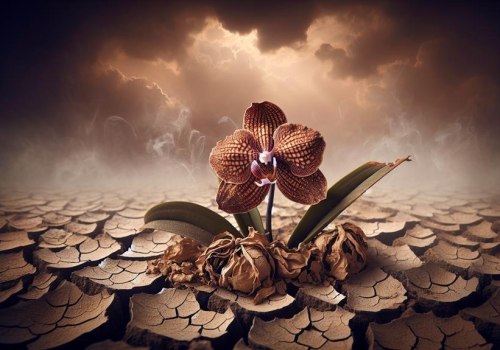
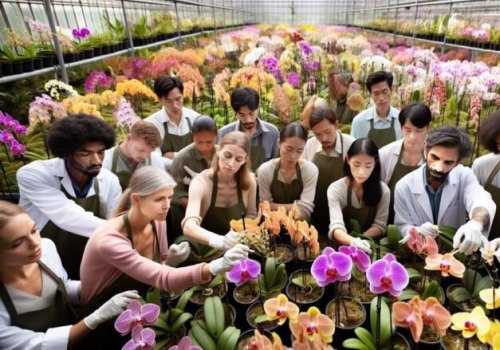
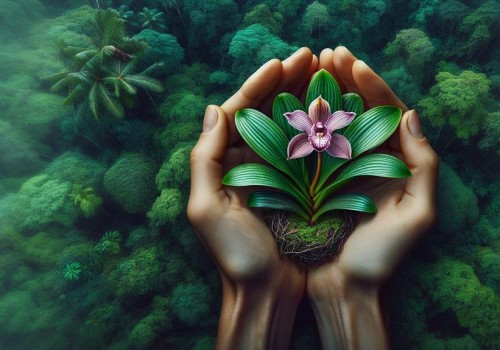
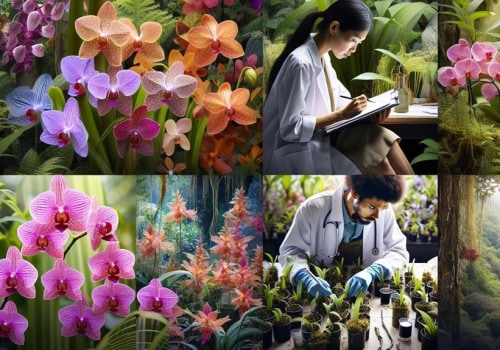
Orchids are among the most diverse and captivating plants on the planet, boasting over 25,000 species and countless hybrids. However, orchid conservation has become increasingly critical as many species face threats from habitat loss, climate change, and illegal trade. Understanding the importance of conserving these unique plants is essential not only for biodiversity but also for maintaining the ecological balance in their native environments. One of the most effective strategies for orchid conservation is in situ conservation, which involves protecting orchids in their natural habitats. This approach allows for the preservation of the complex interactions between orchids and their ecosystems, ensuring that they can thrive in the conditions to which they are adapted.
In situ conservation also helps maintain genetic diversity, which is vital for the resilience of orchid populations against diseases and environmental changes. Despite its advantages, in situ conservation faces numerous challenges. Many orchid species are threatened by deforestation, urbanization, and agricultural expansion, which fragment their habitats and reduce their chances of survival. Additionally, climate change poses a significant risk, altering the delicate conditions that orchids require to flourish. As we delve deeper into the world of orchid conservation, it becomes clear that a multifaceted approach is necessary to address these challenges and ensure that these extraordinary plants continue to grace our planet.
What is In Situ Conservation?
In situ conservation refers to the preservation of species in their natural habitats, allowing them to thrive in the ecosystems where they have evolved.This method contrasts with ex situ conservation, which involves the removal of species from their natural environments for protection, such as in botanical gardens or seed banks. While both strategies aim to protect biodiversity, in situ conservation focuses on maintaining the ecological processes and interactions that sustain species populations.One of the primary benefits of in situ conservation is its ability to preserve the complex relationships between species and their environments. For orchids, which often rely on specific pollinators and symbiotic relationships with fungi, maintaining their natural habitat is crucial for their survival. In situ conservation allows these interactions to continue, fostering a more resilient ecosystem.
- Preservation of Genetic Diversity: In situ conservation helps maintain the genetic diversity of orchid populations, which is essential for their adaptability to changing environmental conditions.
- Support for Ecosystem Health: By conserving orchids in their natural habitats, we also protect the broader ecosystem, including other plant and animal species that depend on these environments.
- Cost-Effectiveness: In situ methods can be more cost-effective than ex situ approaches, as they require less infrastructure and ongoing maintenance.
By prioritizing habitat preservation, we not only protect orchids but also contribute to the overall health and stability of our planet's biodiversity.
The Importance of In Situ Conservation for Orchids
In situ conservation is vital for the survival of orchids, as it focuses on preserving these plants in their natural habitats. This approach is particularly important due to the unique ecological requirements of orchids, which often depend on specific environmental conditions and symbiotic relationships with fungi and other organisms.Orchid habitat preservation
is essential because many orchid species are highly specialized and can only thrive in particular ecosystems. These ecosystems are often threatened by human activities such as deforestation, urbanization, and agricultural expansion. As a result, the natural habitats of orchids are rapidly diminishing, leading to a decline in their populations.One of the primary threats to orchids is habitat loss.When forests are cleared or altered, the delicate balance of the ecosystem is disrupted, making it difficult for orchids to survive. Additionally, climate change poses a significant risk, as shifting temperatures and weather patterns can affect the specific conditions that orchids need to flourish.In situ conservation efforts aim to mitigate these threats by protecting and restoring orchid habitats. This can involve:
- Establishing protected areas: Designating regions where orchids can grow without the pressures of development or resource extraction.
- Restoration projects: Rehabilitating degraded habitats to create suitable environments for orchid populations.
- Community engagement: Involving local communities in conservation efforts to ensure sustainable practices that benefit both people and orchids.
Methods of In Situ Conservation for Orchids
In situ conservation for orchids involves a variety of methods aimed at preserving these delicate plants in their natural habitats.This approach not only safeguards the orchids themselves but also maintains the ecosystems they inhabit. Here are some key methods used in orchid conservation:
- Habitat Restoration: One of the most effective methods of in situ conservation is the restoration of natural habitats. This involves rehabilitating areas that have been degraded due to human activities or natural disasters. By reintroducing native flora and controlling invasive species, conservationists can create a suitable environment for orchids to thrive.
- Protection of Natural Habitats: Protecting existing orchid habitats is crucial.
This can be achieved through the establishment of protected areas, such as national parks and reserves, where human interference is minimized. Legal frameworks and policies are often put in place to ensure these areas are preserved for future generations.
- Community Involvement: Engaging local communities in conservation efforts is vital for the success of in situ strategies. Education programs can raise awareness about the importance of orchids and their ecosystems, encouraging sustainable practices that benefit both the community and the environment. Community-led initiatives can also help monitor orchid populations and their habitats.
- Research and Monitoring: Ongoing research is essential to understand the specific needs of different orchid species.
Monitoring populations helps identify threats and assess the effectiveness of conservation strategies. This data-driven approach allows for adaptive management, ensuring that conservation efforts remain relevant and effective.
Case Studies: Successful In Situ Conservation Efforts for Orchids
In situ conservation for orchids has seen remarkable success in various regions, demonstrating effective strategies that can be replicated elsewhere. Here are some notable case studies:- Hawaiian Native Orchid Conservation: The Hawaiian Islands are home to a unique array of orchids, many of which are endangered. The Hawaiian Department of Land and Natural Resources has implemented in situ conservation efforts by protecting natural habitats and restoring native ecosystems.
This includes the establishment of protected areas where native orchids can thrive without the threat of invasive species.
- Orchid Conservation in Madagascar: Madagascar is known for its rich biodiversity, including numerous endemic orchid species. The Madagascar Orchid Conservation Project focuses on preserving these species through habitat protection and community engagement. Local communities are trained in sustainable land-use practices, which helps reduce deforestation and promotes the survival of orchids in their natural environments.
- Colombian Orchid Reserves: In Colombia, the Orchid Conservation Program has established several reserves specifically for the protection of threatened orchid species. These reserves not only safeguard the orchids but also serve as educational centers for local communities, raising awareness about the importance of orchid conservation and biodiversity.
By focusing on local ecosystems and engaging with communities, these projects not only protect orchid species but also enhance biodiversity and promote environmental stewardship.The outcomes from these initiatives demonstrate that with proper planning and execution, in situ conservation can lead to significant improvements in the health and population stability of orchid species, ensuring their survival for future generations.
Challenges and Limitations of In Situ Conservation for Orchids
In situ conservation for orchids, while essential, faces numerous challenges and limitations that can hinder its effectiveness. One of the primary challenges is the rapid pace of environmental change. Climate change, for instance, alters temperature and precipitation patterns, which can disrupt the delicate ecosystems where orchids thrive. Many orchid species are highly specialized and adapted to specific environmental conditions, making them particularly vulnerable to these shifts.Another significant threat comes from human impact.Urbanization, agriculture, and deforestation lead to habitat destruction, fragmenting the natural environments that orchids depend on. As these habitats shrink or become isolated, the genetic diversity of orchid populations can decline, making them less resilient to diseases and environmental changes.
- Pollution: Chemical runoff from agricultural practices can contaminate soil and water sources, adversely affecting orchid health.
- Invasive Species: Non-native plants and animals can outcompete native orchids for resources, further threatening their survival.
- Over-collection: In some regions, orchids are harvested for ornamental purposes or traditional medicine, leading to population declines.
Without community support and involvement, conservation efforts may not achieve their desired outcomes. Engaging local communities in conservation practices can help mitigate some of these challenges by fostering a sense of stewardship over local orchid populations.
Future Directions for Orchid Conservation: The Role of In Situ Strategies
As we look towards the future of orchid conservation, it is essential to explore innovative in situ strategies that can enhance the preservation of these delicate species. In situ conservation, which involves protecting orchids in their natural habitats, is increasingly recognized as a vital approach to maintaining biodiversity and ecosystem health.Innovative strategies
for orchid preservation are emerging, driven by a combination of traditional ecological knowledge and modern scientific advancements. One promising direction is the establishment of protected areas that focus specifically on orchid-rich ecosystems.These areas not only safeguard the orchids themselves but also promote the overall health of the surrounding flora and fauna.Another key aspect of future orchid conservation is the integration of technology. For instance, the use of remote sensing and geographic information systems (GIS) allows conservationists to monitor orchid populations and their habitats more effectively. By analyzing environmental data, researchers can identify critical areas for conservation efforts and track changes over time.
- Genetic monitoring: Advances in genetic analysis enable scientists to assess the genetic diversity of orchid populations, which is crucial for their long-term survival.
- Community engagement: Involving local communities in conservation efforts fosters stewardship and ensures that traditional practices are respected and integrated into modern strategies.
- Restoration projects: Innovative restoration techniques, such as using mycorrhizal fungi to enhance orchid growth, are being explored to rehabilitate degraded habitats.
FAQs about In Situ Conservation and Orchids
In situ conservation plays a crucial role in the preservation of orchids, but many people have questions about how it works and its effectiveness.Here are some frequently asked questions regarding orchid conservation and in situ methods:
What is in situ conservation?
In situ conservation refers to the preservation of species in their natural habitats. This method allows for the maintenance of ecological processes and interactions that are vital for the survival of species, including orchids. By protecting the natural environment where these plants grow, we can ensure their long-term viability.How does in situ conservation benefit orchids?
- Habitat Protection: In situ conservation helps protect the specific habitats where orchids thrive, ensuring they have access to the necessary resources.
- Genetic Diversity: By preserving orchids in their natural settings, we maintain genetic diversity, which is essential for resilience against diseases and environmental changes.
- Ecological Balance: Orchids often play a role in their ecosystems, and conserving them helps maintain the balance of these environments.
What are some common methods used in in situ orchid conservation?
Several methods are employed to enhance the effectiveness of in situ conservation for orchids:- Protected Areas: Establishing national parks or reserves where orchids can grow undisturbed.
- Restoration Projects: Initiatives aimed at restoring degraded habitats to support orchid populations.
- Monitoring Programs: Regular assessments of orchid populations to track health and threats.
Can in situ conservation alone save endangered orchids?
While in situ conservation is vital, it is often not sufficient on its own. Many endangered orchids may require additional support through ex situ methods, such as seed banks or cultivation programs, to ensure their survival.A combination of both strategies often yields the best results for orchid preservation.If you have more questions about orchid conservation, feel free to reach out to local conservation groups or botanical gardens that specialize in these beautiful plants.
Conclusion: The Vital Role of In Situ Conservation in Orchid Preservation
In conclusion, in situ conservation plays a crucial role in the preservation of orchids, which are among the most diverse and threatened plant families in the world. By maintaining orchids in their natural habitats, we not only protect these beautiful plants but also the intricate ecosystems they inhabit. This method allows for the natural processes of evolution and adaptation to continue, ensuring that orchids can thrive in their native environments.Throughout this article, we have explored several key aspects of orchid conservation through in situ methods:- Habitat Protection: Safeguarding the natural habitats of orchids is essential for their survival. This includes protecting forests, wetlands, and other ecosystems where these plants grow.
- Restoration Efforts: In situ conservation often involves restoring degraded habitats to create a more suitable environment for orchids to flourish.
- Research and Monitoring: Ongoing research is vital to understand the specific needs of different orchid species and monitor their populations in the wild.
- Community Involvement: Engaging local communities in conservation efforts fosters a sense of stewardship and helps ensure sustainable practices that benefit both people and orchids.
By prioritizing these methods, we can help secure a future where orchids continue to enchant us with their beauty while playing their essential roles in biodiversity. As we move forward, it is imperative that conservationists, policymakers, and the public work together to implement effective in situ conservation practices that will protect these remarkable plants for generations to come.