Orchids are not just beautiful flowers; they play a crucial role in maintaining biodiversity and supporting various ecosystem services. With over 25,000 species, orchids represent one of the largest families of flowering plants, showcasing an incredible diversity that contributes to the ecological balance of their habitats. Their unique adaptations and relationships with specific pollinators highlight the intricate connections within ecosystems, making orchid conservation essential for preserving these delicate interactions. The importance of orchids extends beyond their aesthetic appeal. They provide vital resources for numerous organisms, including insects, birds, and mammals.
By serving as food sources and habitats, orchids help sustain a wide range of wildlife, thereby enhancing overall ecosystem health. Furthermore, they contribute to soil stability and water regulation, which are critical for maintaining the integrity of their environments. However, the alarming decline in pollinator populations poses a significant threat to orchid conservation efforts. Many orchid species rely on specific pollinators for reproduction, and without these essential partners, their survival is jeopardized. This loss not only affects the orchids themselves but also disrupts the broader ecological networks they support.
Understanding the implications of pollinator loss is vital for developing effective conservation strategies that ensure the survival of these remarkable plants and the ecosystems they inhabit.
The Role of Pollinators in Orchid Reproduction
Orchids are among the most diverse and complex flowering plants, with over 25,000 species worldwide. A significant aspect of their survival and reproduction hinges on their relationships with specific pollinators. Unlike many plants that can rely on wind or water for pollination, orchids have evolved intricate mechanisms that depend on particular insects, birds, or even mammals to facilitate their reproductive processes.The Pollination Process
- Orchids typically produce unique floral structures that attract their specific pollinators. For instance, some orchids mimic the appearance and scent of female insects to lure male pollinators.
- Once a pollinator visits an orchid, it inadvertently collects pollen while searching for nectar or attempting to mate.
This pollen is then transferred to another orchid when the pollinator moves on, enabling fertilization.
Types of Pollinators
- Bees: Many orchids rely on bees for pollination. For example, the Ophrys genus mimics female bees to attract males.
- Moths: Some night-blooming orchids depend on moths, which are attracted by their fragrance and pale colors.
- Birds: Certain tropical orchids are pollinated by hummingbirds, which are drawn to bright colors and nectar-rich flowers.
- Bats: In some regions, bats play a crucial role in pollinating large-flowered orchids that bloom at night.
Without these essential partners, many orchid species face extinction, underscoring the urgent need for conservation efforts that protect both orchids and their pollinators.
Consequences of Pollinator Decline on Orchids
The decline of pollinator populations has profound consequences for orchid conservation, as many orchid species rely on specific pollinators for successful reproduction. Without these essential pollinators, the ability of orchids to produce seeds diminishes significantly, leading to reduced reproduction rates.One of the most alarming effects of this decline is the increased risk of extinction for various orchid species. Many orchids have evolved intricate relationships with their pollinators, often developing unique floral structures and scents that attract specific insects or birds. When these pollinators disappear, orchids are left vulnerable, unable to reproduce effectively.This situation is particularly dire for rare and endangered orchid species, which may already be facing habitat loss and other environmental pressures.Furthermore, the loss of pollinators contributes to broader biodiversity loss. Orchids play a crucial role in their ecosystems, providing habitat and food for various organisms. The decline of these plants can disrupt local ecosystems, leading to cascading effects on other species that depend on them. As orchid populations dwindle, the overall health of the ecosystem is jeopardized, which can further exacerbate the challenges faced by remaining plant and animal species.In summary, the impact of pollinator decline on orchids is multifaceted, affecting not only individual species but also the larger ecological framework.
Urgent action is needed to address this issue, including habitat restoration and conservation efforts aimed at protecting both orchids and their vital pollinators.
Case Studies: Pollinator Loss and Orchid Species
The decline of pollinators has had a profound impact on various orchid species, leading to alarming conservation challenges. Here, we explore specific case studies that illustrate these effects.Case Study 1: The Ghost Orchid (Dendrophylax lindenii)
The Ghost Orchid, native to the swamps of Florida and Cuba, relies heavily on specific moth species for pollination. As these moth populations have dwindled due to habitat loss and climate change, the Ghost Orchid has faced significant reproductive challenges. Conservation efforts have focused on restoring its natural habitat and monitoring moth populations to ensure successful pollination.Case Study 2: The Lady's Slipper Orchid (Cypripedium spp.)
Several species of Lady's Slipper Orchids, particularly in North America, are experiencing declines linked to the loss of their pollinators, such as bumblebees.These orchids have complex relationships with their pollinators, often requiring specific species for effective reproduction. Conservationists are now implementing strategies that include creating pollinator-friendly habitats and conducting educational programs to raise awareness about the importance of these relationships.
Case Study 3: The Vanilla Orchid (Vanilla planifolia)
The commercial Vanilla Orchid is another example where pollinator loss has direct economic implications. This orchid is primarily pollinated by specific species of bees, which are declining globally. In response, farmers are adopting hand-pollination techniques and investing in habitat restoration to support bee populations.These efforts not only aim to secure vanilla production but also contribute to broader orchid conservation initiatives.These case studies underscore the intricate connections between orchids and their pollinators. As conservation efforts continue, it is crucial to address the underlying causes of pollinator decline to ensure the survival of these remarkable plants.
Conservation Strategies for Orchids in a Changing Environment
As the decline of pollinators poses a significant threat to orchid conservation, implementing effective conservation strategies is crucial for the survival of these delicate plants. A multifaceted approach that includes habitat restoration, community involvement, and protective policies can help mitigate the impacts of pollinator loss.Habitat Restoration
Restoring natural habitats is essential for both orchids and their pollinators. This involves:- Reforestation: Planting native trees and shrubs can create a suitable environment for orchids to thrive while providing shelter and food sources for pollinators.
- Wetland Restoration: Many orchid species depend on specific moisture levels.
Restoring wetlands can help maintain the necessary conditions for these plants and their pollinators.
- Invasive Species Management: Controlling invasive plant species that outcompete native orchids is vital. This can be achieved through targeted removal and monitoring efforts.
Community Involvement
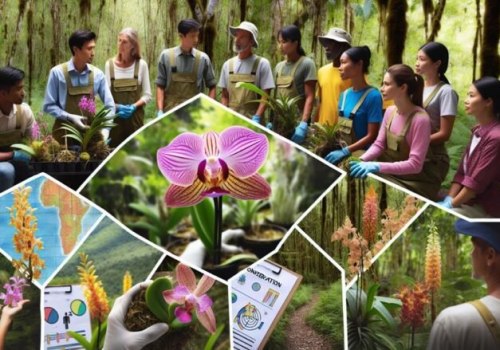
Engaging local communities in orchid conservation efforts fosters a sense of stewardship and responsibility. Strategies include:- Education Programs: Informing the public about the importance of orchids and their pollinators can inspire conservation actions.
- Citizen Science Initiatives: Encouraging community members to participate in monitoring orchid populations and pollinator activity can provide valuable data for conservation efforts.
- Local Conservation Groups: Supporting or forming local groups dedicated to orchid conservation can amplify efforts and resources.
Protective Policies
Advocating for policies that protect both orchids and their pollinators is essential. This includes:- Land Use Regulations: Implementing zoning laws that prioritize the preservation of natural habitats can safeguard critical areas for orchids.
- Pesticide Management: Promoting the use of environmentally friendly pest control methods helps protect pollinator populations.
- Funding for Research: Supporting research initiatives focused on understanding the relationship between orchids and their pollinators can lead to more effective conservation strategies.
FAQs About Orchid Conservation and Pollinators
Understanding the relationship between orchid conservation and pollinators is crucial for preserving these delicate plants.Here are some frequently asked questions that shed light on this important topic:
- Why are pollinators important for orchids?
Pollinators, such as bees, butterflies, and moths, play a vital role in the reproduction of many orchid species. They facilitate the transfer of pollen from one flower to another, which is essential for fertilization and seed production. - What happens to orchids when pollinators decline?
The decline of pollinator populations can lead to reduced seed set in orchids, resulting in fewer new plants. This can threaten the survival of certain orchid species, especially those that rely exclusively on specific pollinators. - How can I help support orchid conservation?
You can support orchid conservation by creating a pollinator-friendly garden. Plant native flowers that attract pollinators, avoid using pesticides, and participate in local conservation efforts. - Are all orchids dependent on pollinators?
Not all orchids require pollinators for reproduction.Some species can reproduce asexually through vegetative propagation. However, many orchids benefit from cross-pollination facilitated by insects.
- What are some tips for caring for orchids?
To care for your orchids effectively:- Provide adequate light without direct sunlight.
- Maintain humidity levels between 40-70%.
- Water thoroughly but allow the potting medium to dry out between waterings.
- Fertilize with a balanced orchid fertilizer during the growing season.
Conclusion: The Future of Orchids and Their Pollinators
As we look towards the future of orchid conservation, it becomes increasingly clear that the fate of these exquisite plants is intricately linked to the health of their pollinators. The decline in pollinator populations poses a significant threat not only to orchids but to the entire ecosystem that relies on these delicate relationships.Without effective pollination, many orchid species face the risk of extinction, which could lead to a cascading effect on biodiversity.The importance of pollinators cannot be overstated. They play a crucial role in the reproductive success of orchids, facilitating the transfer of pollen necessary for seed production. This symbiotic relationship highlights the need for comprehensive conservation strategies that address both orchid habitats and the environments that support their pollinators.
- Habitat Protection: Preserving natural habitats is essential for maintaining healthy populations of both orchids and their pollinators.
- Public Awareness: Educating communities about the significance of pollinators can foster greater appreciation and support for conservation efforts.
- Sustainable Practices: Encouraging sustainable agricultural practices can help mitigate the impact of farming on pollinator populations.
Together, we can create a sustainable future where orchids and their pollinators thrive side by side, enriching our planet's ecological tapestry.