Orchids, with their stunning diversity and intricate beauty, are not just a feast for the eyes; they play a crucial role in maintaining ecological balance.
Orchid conservation
is essential for preserving these unique species, many of which are threatened by habitat loss, climate change, and illegal trade. As one of the largest families of flowering plants, orchids contribute significantly to biodiversity, providing habitats for various organisms and supporting ecosystems. Their decline can have cascading effects on the environment, making conservation efforts vital. In recent years, the integration of technology in conservation has revolutionized how we approach the protection of orchids.From advanced genetic analysis to drone surveillance, technology offers innovative solutions to monitor and preserve these delicate plants. For instance, genetic sequencing can help identify resilient orchid species that may thrive in changing climates, while remote sensing technology allows conservationists to track habitat changes and assess threats in real-time. The importance of orchid conservation extends beyond environmental concerns; it also encompasses cultural and economic dimensions. Many communities rely on orchids for their livelihoods through tourism and horticulture. By leveraging technology, we can enhance our understanding of these plants and implement more effective conservation strategies, ensuring that future generations can appreciate their beauty and ecological significance.
Understanding the Threats to Orchids
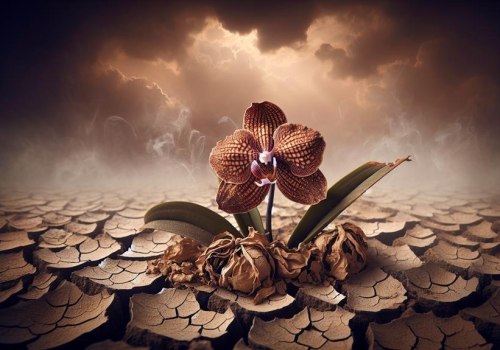
Orchids, known for their stunning beauty and diversity, face numerous threats that jeopardize their survival.Understanding these threats is crucial for effective orchid conservation.Habitat Loss One of the primary threats to orchids is habitat loss. Urbanization, agriculture, and deforestation have led to significant reductions in natural habitats where orchids thrive. As forests are cleared for development or farming, the delicate ecosystems that support these plants are destroyed, making it increasingly difficult for them to survive.Climate Change Another critical factor is climate change. As global temperatures rise and weather patterns shift, many orchid species find their specific environmental conditions altered.
Changes in temperature and precipitation can disrupt their growth cycles and reproductive processes. For instance, some orchids rely on specific pollinators that may be affected by climate changes, leading to a decline in their populations.Illegal Trade The illegal trade of orchids poses a significant threat as well. Many rare and endangered species are poached from their natural habitats to meet the demands of collectors and the floral industry. This not only reduces the number of orchids in the wild but also disrupts local ecosystems where these plants play a vital role.Environmental Impact The cumulative environmental impact of these threats can lead to orchid extinction.
With over 25,000 species of orchids worldwide, many are at risk due to these pressures. Conservation efforts must address these challenges by protecting habitats, mitigating climate change effects, and regulating trade practices. In conclusion, recognizing the various threats faced by orchids is essential for developing effective conservation strategies. By understanding these challenges, we can better appreciate the urgency of protecting these remarkable plants for future generations.
Technological Innovations in Orchid Conservation
In recent years, technological innovations have significantly enhanced efforts in orchid conservation. These advancements not only streamline conservation practices but also provide deeper insights into the biology and ecology of these delicate plants.Genetic Analysis
One of the most impactful technologies in orchid conservation is genetic analysis.By utilizing techniques such as DNA sequencing, researchers can identify genetic diversity within orchid populations. This information is crucial for developing effective breeding programs and ensuring the long-term survival of endangered species. Genetic analysis also aids in understanding the relationships between different orchid species, which can inform conservation strategies.
Remote Sensing
Remote sensing technology has revolutionized how conservationists monitor orchid habitats. Using satellite imagery and aerial drones, researchers can assess large areas of land to identify suitable habitats for orchids and detect changes in their environments over time.This technology allows for real-time monitoring of habitat loss due to factors like deforestation or climate change, enabling timely interventions.
Data Management Systems
Effective data management systems are essential for tracking orchid populations and conservation efforts. Modern databases allow researchers to compile and analyze vast amounts of data related to orchid distribution, growth patterns, and threats. These systems facilitate collaboration among scientists, conservationists, and policymakers, ensuring that everyone has access to the latest information needed to make informed decisions.In conclusion, the integration of these technological advancements into orchid conservation efforts not only enhances our understanding of these remarkable plants but also improves our ability to protect them from extinction. As technology continues to evolve, it holds the promise of even greater contributions to the field of plant conservation.Role of Biotechnology in Orchid Conservation
Biotechnology has emerged as a pivotal tool in the field of orchid conservation, offering innovative solutions to the challenges faced by endangered orchid species.Among the most significant techniques are tissue culture and genetic engineering, both of which play crucial roles in propagating these delicate plants and enhancing their survival rates.
Tissue culture
is a method that allows for the rapid propagation of orchids in a controlled environment. This technique involves taking small sections of plant tissue, often from the meristem or other growth points, and cultivating them in sterile conditions on nutrient-rich media. The advantages of tissue culture include:- Mass propagation: A single orchid can produce thousands of clones, significantly increasing the population of endangered species.
- Genetic uniformity: Clones produced through tissue culture are genetically identical, ensuring that desirable traits are preserved.
- Reduced risk of disease: Cultivating orchids in sterile conditions minimizes the risk of pathogens that can threaten wild populations.
Some key aspects of genetic engineering in orchid conservation include:
- Enhanced adaptability: Genetically modified orchids can be designed to thrive in changing climates, helping to ensure their survival.
- Increased resistance: Genetic engineering can provide orchids with enhanced resistance to pests and diseases, reducing reliance on chemical treatments.
- Conservation of genetic diversity: By preserving and utilizing genetic material from various orchid species, researchers can maintain biodiversity within ecosystems.
Citizen Science and Community Engagement through Technology
In recent years, technology has emerged as a powerful ally in the realm of orchid conservation, particularly through the facilitation of citizen science initiatives. These programs empower individuals from all walks of life to contribute to the monitoring and preservation of orchid species, fostering a sense of community and shared responsibility.Citizen science
platforms, often powered by mobile applications and online databases, allow volunteers to collect and share data on orchid populations. For instance, apps like iNaturalist enable users to document their findings by uploading photographs and location data.This information is invaluable for researchers who rely on extensive datasets to track changes in orchid distribution and health.Moreover, technology enhances community engagement by providing educational resources that raise awareness about the importance of orchids in ecosystems. Online webinars, social media campaigns, and interactive websites serve as platforms for sharing knowledge about local orchid species, their habitats, and the threats they face. This not only informs the public but also inspires action.Public participation in conservation efforts is further amplified through social media. Platforms like Facebook and Twitter allow conservation organizations to reach a broader audience, encouraging people to join local conservation events or participate in orchid monitoring activities.
By sharing success stories and highlighting individual contributions, these organizations can motivate others to get involved.In summary, technology plays a crucial role in enhancing citizen science and community engagement in orchid conservation. By leveraging digital tools, we can harness the collective power of individuals to protect these beautiful plants and ensure their survival for future generations.
Case Studies: Successful Technology-Driven Orchid Conservation Projects
In recent years, several successful orchid conservation projects have emerged, showcasing the effective use of technology in preserving these delicate species. Here are a few notable case studies that highlight the intersection of innovation and conservation.1.The Orchid Conservation Program in Singapore
Singapore has implemented a comprehensive orchid conservation program that utilizes advanced genetic analysis and tissue culture techniques. By employing DNA barcoding, researchers can identify and catalog various orchid species, ensuring that genetic diversity is maintained.This program has successfully propagated endangered species, such as the Vanda Miss Joaquim, which is also Singapore's national flower.
2.The Global Orchid Conservation Initiative
This initiative leverages satellite imagery and geographic information systems (GIS) to monitor orchid habitats across the globe. By analyzing land use changes and environmental threats, conservationists can prioritize areas for protection and restoration. One success story from this initiative is the recovery of the Cattleya trianae, which was once on the brink of extinction due to habitat loss.3.The Orchid Rescue Project in Madagascar
In Madagascar, local conservationists have utilized mobile technology to engage communities in orchid conservation. Through a mobile app, residents can report sightings of rare orchids and receive training on sustainable harvesting practices.This grassroots approach has led to increased awareness and participation in conservation efforts, resulting in a significant rise in the population of the endemic Dendrobium madagascariense.
4.The Use of Drones for Habitat Mapping
Drones have become an invaluable tool in orchid conservation, particularly for mapping hard-to-reach habitats. In regions like the Amazon rainforest, drones equipped with high-resolution cameras allow researchers to survey orchid populations without disturbing their natural environment. This method has proven effective in locating previously undocumented species and assessing their health.These case studies illustrate how technology can play a pivotal role in orchid conservation, providing innovative solutions to complex challenges. By combining traditional conservation methods with modern technology, we can enhance our efforts to protect these beautiful plants for future generations.Challenges and Limitations of Technology in Orchid Conservation
While technology has significantly advanced the field of orchid conservation, it is not without its challenges and limitations.Understanding these obstacles is crucial for developing effective strategies to protect these delicate species. One major challenge is the high cost associated with implementing advanced technologies. Tools such as remote sensing, genetic analysis, and climate modeling require substantial financial investment, which can be a barrier for many conservation organizations, especially those operating on limited budgets. Additionally, there is often a lack of technical expertise in utilizing these technologies effectively. Many conservationists may not have the necessary training to operate sophisticated equipment or interpret complex data, leading to underutilization of available resources. Another significant limitation is the data accessibility. While technology can generate vast amounts of data, accessing and sharing this information can be problematic.
Issues such as data privacy, proprietary software restrictions, and varying standards for data collection can hinder collaboration among researchers and conservationists. Moreover, the rapid pace of technological advancement can lead to obsolescence. Tools that are cutting-edge today may become outdated quickly, necessitating continuous investment in new technologies and training. This cycle can divert resources away from direct conservation efforts. Finally, there is the risk of over-reliance on technology. While it can enhance conservation efforts, it should not replace traditional methods that have proven effective over time.
Balancing technological solutions with established practices is essential for a holistic approach to orchid conservation.In summary, while technology offers promising avenues for enhancing orchid conservation efforts, addressing these challenges is vital for maximizing its potential impact.
Future Trends: The Next Frontier in Orchid Conservation Technology
As we look to the future, emerging technologies are set to revolutionize the field of orchid conservation. These advancements not only promise to enhance our understanding of orchid species but also improve the effectiveness of conservation strategies.Genomic Technologies
One of the most exciting trends is the application of genomic technologies. By utilizing DNA sequencing, researchers can identify genetic diversity within orchid populations, which is crucial for developing effective breeding programs. This technology allows for the preservation of genetic material from endangered species, ensuring that future generations can benefit from a rich genetic pool.Remote Sensing and Drones
Remote sensing and drone technology are also making significant strides in orchid conservation.These tools enable conservationists to monitor orchid habitats from above, providing real-time data on environmental changes and threats such as deforestation or climate change. Drones can access hard-to-reach areas, allowing for more comprehensive surveys of orchid populations.
Artificial Intelligence and Machine Learning
Artificial intelligence (AI) and machine learning are increasingly being integrated into conservation efforts. These technologies can analyze vast amounts of data to predict trends in orchid populations and identify potential threats. For instance, AI algorithms can process images from field surveys to automatically identify and classify different orchid species, streamlining the data collection process.Community Engagement through Technology
The future of orchid conservation also lies in engaging local communities through technology.Mobile applications that educate users about local orchid species and their ecological importance can foster a sense of stewardship among community members. By involving citizens in monitoring efforts, we can gather valuable data while raising awareness about the need for conservation.In conclusion, the integration of these emerging technologies into orchid conservation efforts holds great promise. As we harness these tools, we can enhance our ability to protect these beautiful plants for future generations, ensuring that they continue to thrive in their natural habitats.
Conclusion: The Path Forward for Orchid Conservation with Technology
As we reflect on the critical role of technology in orchid conservation, it becomes clear that the integration of innovative tools and methods is not just beneficial but essential for the survival of these exquisite plants. Throughout this article, we have explored various technological advancements that are reshaping conservation strategies, from genetic analysis to remote sensing.The use of genetic sequencing allows conservationists to understand the genetic diversity within orchid populations, which is vital for developing effective breeding programs.By identifying genetic markers associated with resilience to environmental changes, we can prioritize the preservation of those species most at risk.Moreover, drone technology and satellite imagery have revolutionized how we monitor orchid habitats. These tools enable researchers to gather data on habitat conditions and track changes over time, providing insights that are crucial for timely intervention. The ability to assess large areas quickly and accurately means that conservation efforts can be more targeted and efficient.In addition, the rise of mobile applications has empowered citizen scientists to contribute to orchid conservation. By reporting sightings and conditions of local orchid populations, individuals can play a significant role in data collection, enhancing our understanding of these plants' distribution and health.Looking ahead, it is imperative that we continue to embrace technological advancements in our conservation efforts.
Collaboration between scientists, technologists, and local communities will be key in developing sustainable practices that not only protect existing orchid species but also restore those that are endangered.In conclusion, the path forward for orchid conservation lies in our ability to harness technology effectively. By integrating these tools into our conservation strategies, we can ensure a brighter future for orchids and the ecosystems they inhabit.