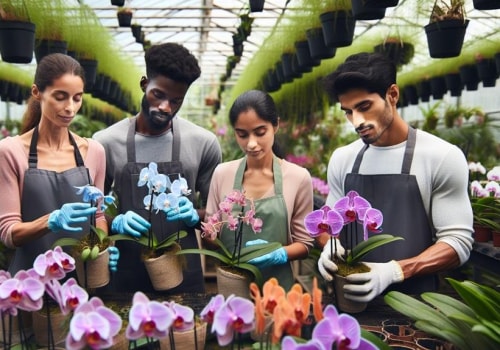
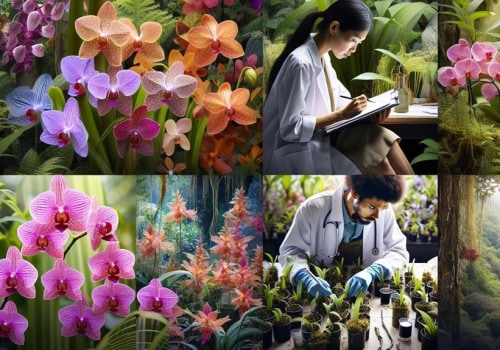
Orchids are among the most diverse and captivating families of flowering plants, with over 25,000 species identified worldwide. Their unique beauty and intricate structures have made them a favorite among horticulturists and nature enthusiasts alike. However, the significance of orchid conservation extends far beyond their aesthetic appeal. These remarkable plants play a crucial role in maintaining ecological balance and supporting various ecosystems.
As pollinators, orchids contribute to the reproductive success of many other plant species, thereby fostering biodiversity. The importance of orchid conservation cannot be overstated, especially in the face of rapid environmental changes and habitat destruction. Many orchid species are threatened or endangered due to deforestation, climate change, and illegal collection. Protecting these plants is vital not only for preserving their beauty but also for ensuring the health of the ecosystems they inhabit. By safeguarding orchids, we also protect the myriad of organisms that depend on them for survival. In this context, initiatives like the International Orchid Conservation Initiative (IOCI) emerge as essential players in the global effort to conserve these precious species.
The IOCI aims to unite conservationists, researchers, and enthusiasts to develop strategies that address the challenges facing orchids today. Through education, research, and habitat restoration, the IOCI seeks to raise awareness about orchid conservation and inspire collective action to protect these extraordinary plants for future generations.
What is the International Orchid Conservation Initiative (IOCI)?
The International Orchid Conservation Initiative (IOCI) is a global effort aimed at preserving the rich diversity of orchids, which are among the most diverse and threatened plant families on the planet. Established to address the alarming decline in orchid populations due to habitat loss, climate change, and illegal trade, the IOCI serves as a collaborative platform for conservationists, researchers, and enthusiasts alike.Mission and Objectives
- Conservation: The primary mission of the IOCI is to implement effective conservation strategies that protect orchid species in their natural habitats.
- Research: The initiative promotes scientific research to better understand orchid biology, ecology, and the threats they face.
- Education: IOCI emphasizes the importance of education and awareness, aiming to inform the public about the significance of orchids and the need for their conservation.
- Collaboration: By fostering partnerships among various stakeholders—including governments, NGOs, and local communities—the IOCI seeks to enhance conservation efforts on a global scale.
Their decline can signal broader ecological issues that may affect other species as well. Through its comprehensive approach, the IOCI not only aims to save individual species but also strives to maintain biodiversity and ecosystem integrity.In summary, the International Orchid Conservation Initiative represents a vital step towards safeguarding one of nature's most exquisite treasures. By uniting efforts across borders and disciplines, the IOCI is paving the way for a sustainable future for orchids and their habitats worldwide.
The Importance of Orchid Conservation
Orchids are not just beautiful flowers; they play a vital role in maintaining the health of ecosystems. The importance of orchid conservation cannot be overstated, as these plants contribute significantly to biodiversity and ecological balance.One of the primary benefits of orchids is their role in pollination.Many orchids have evolved intricate relationships with specific pollinators, such as bees, butterflies, and birds. This mutualism not only aids in the reproduction of orchids but also supports the survival of these pollinators, which are essential for the pollination of many other plants. By conserving orchids, we help protect these crucial pollinator species and ensure the stability of our ecosystems.Furthermore, orchids contribute to habitat stability. They often thrive in diverse environments, from tropical rainforests to temperate woodlands.
Their presence can indicate a healthy ecosystem, as they require specific conditions to flourish. When orchid populations decline, it can signal broader environmental issues that may affect other species and habitats.In addition to their ecological roles, orchids hold significant cultural importance. They are often symbols of beauty and strength in various cultures around the world. Many communities rely on orchids for traditional medicine, ornamental purposes, and even economic benefits through ecotourism.
By conserving these plants, we preserve not only biodiversity but also cultural heritage.In summary, the conservation of orchids is crucial for maintaining ecological balance, supporting pollinator populations, ensuring habitat stability, and preserving cultural significance. Protecting these remarkable plants is essential for a sustainable future.
Key Strategies of the IOCI
The International Orchid Conservation Initiative (IOCI) employs a multifaceted approach to ensure the survival and flourishing of orchid species worldwide. By focusing on key strategies, the IOCI aims to address the various challenges faced by these delicate plants.Research and Education
One of the primary strategies of the IOCI is to promote research on orchid biology, ecology, and conservation methods. This includes:- Conducting field studies to understand the specific needs and threats to different orchid species.
- Collaborating with universities and research institutions to develop innovative conservation techniques.
- Publishing findings in scientific journals to disseminate knowledge and raise awareness about orchid conservation.
Habitat Protection
The IOCI recognizes that protecting the natural habitats where orchids thrive is crucial for their survival.Their habitat protection strategies include:
- Identifying critical habitats that are essential for the growth and reproduction of orchids.
- Working with local governments to establish protected areas that safeguard these habitats from development and exploitation.
- Restoration projects aimed at rehabilitating degraded ecosystems to support orchid populations.
Community Engagement
The success of orchid conservation efforts heavily relies on community involvement. The IOCI engages local communities through:- Educational programs that teach the importance of orchids and their role in biodiversity.
- Incentive programs that encourage sustainable practices among local farmers and landowners.
- Volunteer opportunities for community members to participate in conservation activities, fostering a sense of ownership and responsibility.
Global Collaborations and Partnerships
The International Orchid Conservation Initiative (IOCI) plays a pivotal role in fostering global collaborations and partnerships aimed at enhancing orchid conservation efforts worldwide. By uniting various stakeholders, including governments, non-profit organizations, and academic institutions, the IOCI creates a robust network dedicated to the preservation of these unique plants.Key Partnerships
- Government Agencies: The IOCI collaborates with national governments to develop policies that protect orchid habitats and promote sustainable practices.
- Conservation Organizations: Partnering with established conservation groups allows the IOCI to leverage resources and expertise in orchid research and habitat restoration.
- Academic Institutions: Collaborations with universities facilitate research initiatives that enhance understanding of orchid biology and ecology, leading to more effective conservation strategies.
By participating in these discussions, the IOCI not only raises awareness but also influences policy decisions that impact orchid conservation efforts.
Global Initiatives
Through its partnerships, the IOCI has launched several global initiatives aimed at protecting endangered orchid species. These initiatives often include:
- Seed Banking: Collecting and storing seeds from rare orchids to ensure their survival for future restoration efforts.
- Habitat Restoration Projects: Working with local communities to restore degraded habitats critical for orchid survival.
- Public Awareness Campaigns: Educating the public about the importance of orchids and the threats they face, fostering a culture of conservation.
Success Stories from the IOCI
The International Orchid Conservation Initiative (IOCI) has made significant strides in the realm of orchid conservation, showcasing numerous success stories that highlight the effectiveness of its projects. These case studies not only demonstrate the impact of conservation efforts but also serve as a model for future initiatives.Case Study: The Rescue of the Ghost Orchid
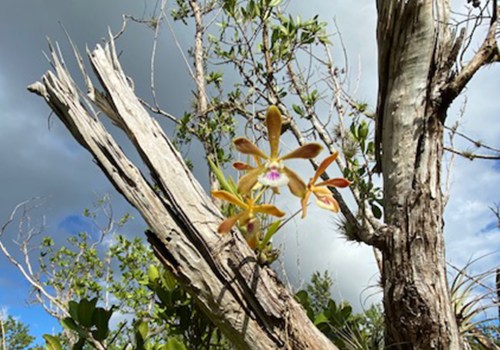
One of the most notable success stories involves the conservation of the Ghost Orchid (Dendrophylax lindenii), a species native to Florida and Cuba.Once on the brink of extinction due to habitat loss and poaching, the IOCI partnered with local conservation groups to implement protective measures. These included:
- Establishing protected areas to safeguard natural habitats.
- Conducting educational programs to raise awareness about the importance of this species.
- Engaging local communities in conservation efforts, fostering a sense of ownership and responsibility.
Project Highlight: The Orchid Restoration Program in Southeast Asia
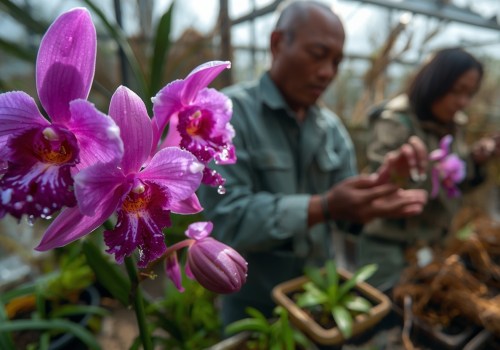
Another exemplary project is the Orchid Restoration Program in Southeast Asia, which focuses on several endangered orchid species. This initiative has successfully:- Implemented propagation techniques that allow for the cultivation of orchids in controlled environments.
- Reintroduced cultivated orchids back into their natural habitats, ensuring genetic diversity and resilience.
- Collaborated with local farmers to promote sustainable practices that benefit both agriculture and orchid conservation.
Challenges Facing Orchid Conservation Today
The conservation of orchids faces numerous challenges that threaten their survival and biodiversity.Understanding these challenges in orchid conservation is crucial for developing effective strategies to protect these remarkable plants.
Habitat Loss
One of the most significant threats to orchids is habitat loss. Urbanization, agriculture, and deforestation have led to the destruction of natural habitats where orchids thrive. As forests are cleared for development or farming, the delicate ecosystems that support these plants are disrupted, making it increasingly difficult for them to survive.
Climate Change
Climate change poses another serious threat to orchid conservation. Changes in temperature and precipitation patterns can alter the delicate balance of ecosystems, affecting the growth and reproduction of orchids.
Many species are highly specialized and adapted to specific environmental conditions; even slight changes can lead to population declines or extinction.
Illegal Trade
The illegal trade of orchids is a growing concern that exacerbates conservation challenges. Many rare and endangered species are poached from their natural habitats and sold on the black market. This not only reduces wild populations but also disrupts local ecosystems. Efforts to combat this illegal trade are essential for protecting vulnerable orchid species.
Environmental Issues
- Pesticide Use: The use of harmful pesticides in agriculture can have detrimental effects on orchid populations, as these chemicals can contaminate soil and water sources.
- Invasive Species: Invasive plants and animals can outcompete native orchids for resources, leading to declines in their populations.
- Pollution: Air and water pollution can negatively impact the health of orchid habitats, further threatening their survival.
By understanding the threats facing orchids, we can work towards more effective orchid conservation efforts globally.
How You Can Contribute to Orchid Conservation Efforts
Orchid conservation is a vital effort that requires the participation of individuals and organizations alike. Here are some actionable steps you can take to support the International Orchid Conservation Initiative (IOCI) and contribute to the preservation of these beautiful plants.1.Educate Yourself and Others
Understanding the importance of orchids in our ecosystem is the first step towards effective conservation. Read books, attend workshops, or participate in online courses focused on orchid conservation. Share your knowledge with friends, family, and your community to raise awareness about the threats facing orchids.2.Volunteer Your Time
Many organizations, including IOCI, rely on volunteers to help with various tasks such as habitat restoration, research, and public outreach.Look for local conservation groups or botanical gardens that focus on orchids and inquire about volunteer opportunities.
3.Support Conservation Organizations
- Donate: Financial contributions can significantly impact conservation efforts. Consider making a one-time donation or setting up a recurring contribution to IOCI or other related organizations.
- Fundraise: Organize fundraising events in your community to support orchid conservation initiatives. This could include plant sales, educational seminars, or social gatherings.
- Membership: Join organizations dedicated to orchid conservation. Membership often comes with benefits such as newsletters, access to exclusive events, and opportunities to connect with like-minded individuals.
4.Cultivate Orchids Responsibly
If you are an orchid enthusiast, ensure that you are purchasing plants from reputable sources that practice sustainable cultivation methods.Avoid buying wild-collected orchids, as this can contribute to their decline in natural habitats.
5.Advocate for Policy Change
Engage with local and national policymakers to advocate for laws and regulations that protect orchid habitats. Write letters, attend town hall meetings, or join advocacy groups focused on environmental protection.Your involvement in orchid conservation can make a significant difference. By taking these steps, you not only support the IOCI but also contribute to a global movement aimed at preserving one of nature's most exquisite treasures.Frequently Asked Questions about Orchid Conservation and IOCI
Orchid conservation is a vital aspect of preserving biodiversity and ensuring the survival of these unique plants. Below are some frequently asked questions that can help clarify common misconceptions and provide valuable insights into the International Orchid Conservation Initiative (IOCI) and orchid care.What is the purpose of the IOCI?
The IOCI aims to promote the conservation of orchids globally by supporting research, habitat preservation, and sustainable practices.It works with various stakeholders, including governments, NGOs, and local communities, to protect endangered orchid species and their habitats.
Why are orchids important to conserve?
- Biodiversity: Orchids contribute significantly to global biodiversity, with over 25,000 species identified.
- Ecological roles: They play crucial roles in ecosystems as pollinators and food sources for various organisms.
- Cultural significance: Many cultures value orchids for their beauty and symbolism, making their conservation essential for cultural heritage.
How can I participate in orchid conservation?
You can contribute to orchid conservation efforts by:- Supporting local conservation organizations: Donate or volunteer with groups focused on orchid preservation.
- Educating others: Share information about the importance of orchids and conservation efforts in your community.
- Cultivating responsibly: If you grow orchids, ensure you source them from reputable nurseries that practice sustainable cultivation.
What are some common care tips for orchids?
- Light: Most orchids thrive in bright, indirect sunlight. Avoid direct sunlight to prevent leaf burn.
- Watering: Water your orchids when the potting medium feels dry. Overwatering can lead to root rot.
- Humidity: Orchids prefer high humidity levels. Consider using a humidity tray or misting them regularly.
Conclusion: The Future of Orchid Conservation with IOCI's Guidance
As we reflect on the significance of the International Orchid Conservation Initiative (IOCI), it becomes clear that the future of orchid conservation hinges on collaborative efforts and sustained commitment.The IOCI has emerged as a pivotal force in addressing the myriad challenges faced by orchid species worldwide, from habitat destruction to climate change.Throughout this article, we have explored the multifaceted approach of the IOCI, which includes:
- Research and Education: By fostering a deeper understanding of orchid biology and ecology, the IOCI empowers communities and conservationists alike.
- Habitat Restoration: Initiatives aimed at restoring natural habitats are crucial for the survival of endangered orchid species.
- Community Engagement: Involving local communities in conservation efforts ensures that initiatives are sustainable and culturally relevant.
- Global Partnerships: Collaborating with international organizations amplifies the impact of conservation strategies.
Together, we can ensure a sustainable future for orchids, fostering a world where these exquisite plants continue to thrive in their natural habitats.