Orchids are among the most diverse and captivating plants on the planet, boasting over 25,000 species worldwide. However, the beauty of these remarkable flowers is overshadowed by a pressing issue: orchid conservation. As habitats are destroyed and climate change accelerates, many orchid species face extinction. Understanding the importance of conserving these plants is crucial not only for biodiversity but also for the ecosystems they inhabit. The significance of orchid conservation extends beyond mere aesthetics.
Orchids play vital roles in their ecosystems, serving as indicators of environmental health and contributing to the pollination of various plants. Their intricate relationships with specific pollinators highlight the delicate balance of nature. Unfortunately, this balance is increasingly threatened by factors such as habitat loss due to urbanization, deforestation, and illegal collection. Moreover, climate change poses a significant risk to orchids, altering their natural habitats and disrupting their growth cycles. As temperatures rise and weather patterns shift, many orchids struggle to adapt, leading to declining populations.
The threats faced by these beautiful plants underscore the urgent need for conservation efforts that not only protect existing species but also restore their habitats. By raising awareness about threats to orchids and promoting conservation initiatives, we can help ensure that future generations will continue to marvel at these extraordinary flowers.
The Importance of Orchids in Ecosystems
Orchids are not just beautiful flowers; they play a crucial role in maintaining the health and balance of ecosystems. Their unique adaptations and relationships with various organisms contribute significantly to biodiversity and ecological stability.Role of Orchids in Ecosystems
- Pollination: Many orchids have evolved intricate mechanisms to attract specific pollinators, such as bees, butterflies, and birds. This specialization not only aids in the reproduction of orchids but also supports the populations of these pollinators, creating a symbiotic relationship that enhances overall biodiversity.
- Habitat for Other Species: Orchids often provide essential habitats for various organisms.
Their presence can create microhabitats that support a range of life forms, from insects to small mammals, thereby enriching the ecosystem.
- Soil Health: The roots of orchids can improve soil structure and health. By forming associations with mycorrhizal fungi, orchids enhance nutrient uptake for themselves and surrounding plants, promoting a healthier ecosystem.
Ecological Importance of Orchids
The ecological importance of orchids extends beyond their immediate environment. They are indicators of environmental health; a decline in orchid populations often signals broader ecological issues such as habitat loss or climate change. Protecting these plants is vital not only for their survival but also for the preservation of the intricate web of life they support.In summary, the conservation of orchids is essential for maintaining ecosystem health and promoting biodiversity.
As we face increasing threats to natural habitats, understanding the vital roles that orchids play can help galvanize efforts towards their protection and conservation.
Threats Facing Orchid Species
Orchids, known for their stunning beauty and diversity, face numerous threats that jeopardize their survival. Understanding these threats is crucial for effective orchid conservation efforts.Habitat Loss
One of the most significant threats to orchid species is habitat loss. As urbanization expands and agricultural practices intensify, natural habitats are being destroyed at an alarming rate. Forests, wetlands, and grasslands that provide essential environments for orchids are being cleared for development or converted into farmland.This destruction not only reduces the available space for orchids to grow but also disrupts the delicate ecosystems that support their survival.
Climate Change Impact
Climate change poses another critical threat to orchids. As global temperatures rise, many orchid species are unable to adapt quickly enough to the changing conditions. Altered rainfall patterns can lead to droughts or flooding, both of which can be detrimental to orchid populations. Additionally, shifting climate zones may force orchids to migrate to higher altitudes or latitudes, where suitable habitats may not exist.Illegal Trade
The illegal trade of orchids is a growing concern that exacerbates the decline of many species.Poachers often target rare and endangered orchids for their beauty and high market value. This not only depletes wild populations but also disrupts local ecosystems. Conservation efforts are hampered by this illicit trade, as it undermines legal cultivation and protection initiatives.In summary, the threats facing orchid species are multifaceted and interconnected. Addressing habitat loss, mitigating the impacts of climate change, and combating illegal trade are essential steps in ensuring the survival of these remarkable plants.
Effective orchid conservation strategies must take these challenges into account to protect these fragile species for future generations.
Examples of Endangered Orchid Species
Orchids are among the most diverse and beautiful plants on the planet, yet many species are facing the threat of extinction. Here are some notable examples of endangered and threatened orchid species that highlight the urgent need for orchid conservation.- Paphiopedilum rothschildianum : Commonly known as Rothschild's slipper orchid, this species is native to the rainforests of Borneo and is critically endangered due to habitat loss and illegal collection. Its striking flowers, which can reach up to 10 inches in diameter, make it a target for collectors.
- Cypripedium calceolus : Also known as the yellow lady's slipper, this orchid is found in temperate regions of Europe and North America. It is threatened by habitat destruction and over-collection.
Conservation efforts focus on protecting its natural habitats and promoting sustainable practices.
- Dendrobium speciosum : This Australian native, known as the rock lily, is listed as vulnerable due to habitat degradation and climate change. Its unique growth habit allows it to thrive in rocky outcrops, but increasing urbanization poses a significant threat.
- Habenaria radiata : The fringed orchid, native to East Asia, is recognized for its delicate white flowers resembling a bird in flight. It faces threats from habitat loss and agricultural expansion, leading to its classification as vulnerable.
- Vanda coerulea : Known as the blue vanda, this stunning orchid from Southeast Asia is endangered due to deforestation and illegal trade. Its vibrant blue flowers are highly sought after in horticulture, prompting conservationists to advocate for its protection.
Conservation efforts are crucial not only for preserving these unique species but also for maintaining the ecological balance within their habitats. By raising awareness and supporting conservation initiatives, we can help protect these remarkable plants for future generations.
Conservation Efforts for Orchids
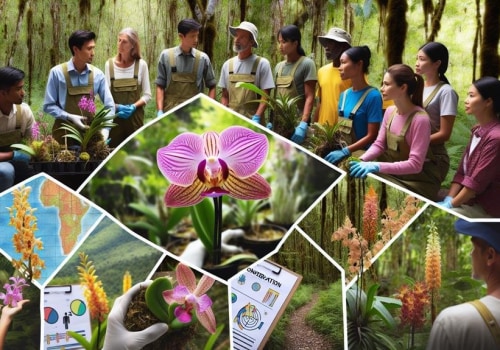
Conservation efforts for orchids are crucial in ensuring the survival of these beautiful and diverse plants. Various initiatives are underway globally to protect endangered orchid species, focusing on habitat restoration, legal protections, and community involvement.Habitat Restoration
is one of the primary strategies employed in orchid conservation. Many orchids thrive in specific ecosystems that are increasingly threatened by human activities such as deforestation and urbanization.
Conservationists work to restore these habitats by:
- Replanting native vegetation to create a suitable environment for orchids.
- Removing invasive species that compete with native orchids for resources.
- Implementing sustainable land-use practices that minimize habitat destruction.
- The Convention on International Trade in Endangered Species of Wild Fauna and Flora (CITES) regulates international trade of orchids, ensuring that only sustainably sourced plants are sold.
- National parks and reserves often provide safe havens for native orchids, safeguarding them from habitat loss.
Community Involvement
is another essential aspect of successful orchid conservation programs. Engaging local communities helps raise awareness about the importance of preserving these plants.
Some effective strategies include:
- Educational programs that teach locals about the ecological significance of orchids.
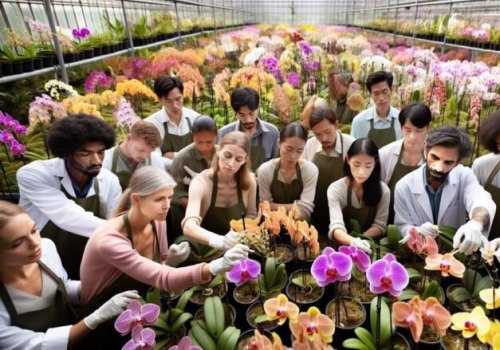
- Involving communities in conservation efforts, such as monitoring orchid populations and participating in restoration projects.
- Promoting ecotourism that highlights the beauty of native orchids while providing economic benefits to local residents.
How You Can Help with Orchid Conservation
Orchid conservation is a vital effort that requires the participation of individuals and communities alike. Here are some actionable steps you can take to support orchid preservation and get involved in conservation efforts:- Educate Yourself and Others: Understanding the importance of orchids in our ecosystem is the first step. Read books, attend workshops, or join online forums dedicated to orchid conservation.
Share your knowledge with friends and family to raise awareness.
- Support Conservation Organizations: Many organizations focus on protecting endangered orchid species. Consider donating to or volunteering with groups like the Orchid Conservation Alliance or local botanical gardens that have conservation programs.
- Participate in Citizen Science: Engage in citizen science projects that monitor orchid populations. This can include reporting sightings of wild orchids or participating in data collection efforts that help researchers understand their status.
- Practice Responsible Gardening: If you grow orchids at home, ensure you source them ethically. Avoid purchasing orchids from questionable sources that may contribute to habitat destruction or illegal trade.
- Advocate for Policy Change: Get involved in local environmental advocacy.
Support policies that protect natural habitats where orchids grow, and encourage your community to prioritize conservation efforts.
- Join Local Orchid Societies: Many regions have orchid societies that focus on education, conservation, and community engagement. Joining these groups can connect you with like-minded individuals who are passionate about preserving these beautiful plants.
Frequently Asked Questions about Orchid Conservation
Orchid conservation is a critical topic as many species face threats from habitat loss, climate change, and illegal trade. Here are some frequently asked questions that can help deepen your understanding of this important issue.What are some common threats to orchid species?
- Habitat destruction: Urban development, agriculture, and deforestation significantly reduce the natural habitats where orchids thrive.
- Climate change: Altered weather patterns can affect the delicate ecosystems that support orchid growth.
- Illegal collection: Many orchids are poached for their beauty, leading to drastic declines in their populations.
How can I help with orchid conservation?
- Support conservation organizations: Donating to or volunteering with groups focused on orchid preservation can make a significant impact.
- Educate others: Sharing knowledge about the importance of orchids and their ecosystems can raise awareness and promote conservation efforts.
- Avoid purchasing wild orchids: Opt for cultivated varieties instead to discourage illegal harvesting.
What are some endangered orchid species?
Several orchid species are currently listed as endangered or threatened.Some notable examples include:
- Cattleya schilleriana: Native to Brazil, this stunning orchid is threatened by habitat loss due to deforestation.
- Phragmipedium kovachii: Found in Peru, this species is highly sought after for its striking flowers and faces threats from illegal collection.
- Dendrobium speciosum: This Australian native is at risk due to habitat destruction and climate change impacts.
Conclusion: The Future of Orchids and Their Conservation
As we reflect on the importance of orchid conservation, it becomes clear that the future of these remarkable plants hinges on our collective efforts. Orchids are not just beautiful; they play a crucial role in their ecosystems, supporting various forms of wildlife and contributing to biodiversity.However, the alarming rate at which many orchid species are becoming endangered underscores the urgency of conservation initiatives.Throughout this article, we have explored several examples of threatened orchid species, highlighting their unique characteristics and the specific challenges they face. From habitat destruction to climate change, these factors threaten not only the survival of individual species but also the delicate balance of their ecosystems.To ensure a sustainable future for orchids, it is essential to:
- Support conservation programs that focus on habitat preservation and restoration.
- Engage in community awareness campaigns to educate the public about the significance of orchids and the threats they face.
- Participate in research that aims to understand orchid biology and ecology better, which can inform effective conservation strategies.
- Advocate for policies that protect natural habitats and regulate trade in endangered species.