Orchids, known for their stunning beauty and intricate structures, are not just a gardener's delight; they play a crucial role in their ecosystems. However, the effects of climate change pose significant threats to these delicate plants. As global temperatures rise and weather patterns shift, orchids face challenges that can lead to habitat loss and altered ecosystems. These changes can disrupt the delicate balance of their environments, affecting not only the orchids themselves but also the myriad of species that depend on them. The impact of climate change on orchids is multifaceted.
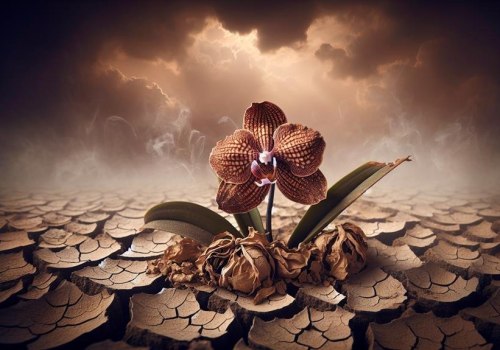
For instance, rising temperatures can lead to changes in precipitation patterns, which may result in droughts or excessive rainfall. Such fluctuations can affect the soil moisture levels that orchids rely on for survival. Additionally, as their natural habitats are altered or destroyed due to human activity and climate shifts, many orchid species find themselves struggling to adapt or survive in increasingly hostile conditions. Moreover, the loss of specific habitats means that some orchid species may face extinction if conservation efforts are not prioritized. Understanding how climate change affects these plants is essential for developing effective orchid conservation strategies.
By recognizing the vulnerabilities of orchids and their ecosystems, we can take meaningful steps toward preserving these remarkable plants for future generations.
The Importance of Orchid Conservation
Orchids are not just beautiful flowers; they play a vital role in maintaining ecological balance and supporting biodiversity. With over 25,000 species, orchids represent one of the largest families of flowering plants, contributing significantly to the health of various ecosystems.Why Conserve Orchids?
- Biodiversity Support: Orchids provide essential habitats for numerous species, including insects, birds, and mammals. Their unique relationships with pollinators help sustain various food webs.
- Indicator Species: The health of orchid populations can indicate the overall health of their ecosystems. A decline in orchid species often signals broader environmental issues.
Benefits of Orchid Conservation
- Economic Value: Orchids are highly sought after in the floral industry, contributing billions to economies worldwide.
Conserving these plants ensures that future generations can enjoy their beauty and economic benefits.
- Cultural Significance: Many cultures revere orchids for their beauty and symbolism. Protecting these plants helps preserve cultural heritage and traditions associated with them.
Ecological Role of Orchids
Orchids contribute to soil health through their symbiotic relationships with fungi, which aid in nutrient absorption. This relationship not only benefits the orchids but also enhances soil quality for surrounding flora. Furthermore, orchids can help stabilize ecosystems by preventing soil erosion and promoting water retention.In conclusion, the conservation of orchids is crucial for maintaining biodiversity and ecological integrity.
By protecting these remarkable plants, we ensure a healthier environment for all living organisms and preserve the beauty that orchids bring to our world.
Strategies for Mitigating Climate Change Effects on Orchids
As climate change continues to pose significant threats to biodiversity, orchid conservation efforts must adapt to mitigate its effects. Here are several effective strategies for protecting these delicate plants:- Habitat Restoration: Restoring natural habitats is crucial for the survival of orchids. This involves re-establishing native plant communities and removing invasive species that compete for resources. By enhancing the ecosystem, we can create a more stable environment for orchids to thrive.
- Sustainable Cultivation Practices: Implementing sustainable practices in orchid cultivation can significantly reduce the impact of climate change.
This includes using organic fertilizers, minimizing water usage, and adopting integrated pest management techniques. Such practices not only benefit the orchids but also promote overall environmental health.
- Climate Adaptation Strategies: Developing climate adaptation strategies is essential for orchid conservation. This may involve selecting orchid species that are more resilient to changing conditions or breeding hybrids that can withstand temperature fluctuations and altered precipitation patterns.
- Community Engagement: Engaging local communities in conservation efforts is vital. Educating the public about the importance of orchids and their ecosystems fosters a sense of stewardship.
Community-led initiatives, such as planting native orchids and creating awareness campaigns, can significantly enhance conservation outcomes.
Habitat Restoration and Protection
Restoring and protecting the habitats of orchids is crucial for their survival, especially in the face of climate change.Habitat restoration
involves a series of strategic actions aimed at reviving ecosystems that have been degraded or destroyed. This can include reforestation, wetland restoration, and the removal of invasive species that threaten native flora.One effective method for protecting orchid habitats is the establishment of conservation areas.These designated regions serve as safe havens for orchids and other native plants, allowing them to thrive without the pressures of urban development, agriculture, or pollution. Conservation areas can be created through:
- Legal protection: Implementing laws that restrict land use and development in critical orchid habitats.
- Community engagement: Involving local communities in conservation efforts to foster a sense of stewardship and responsibility towards their natural surroundings.
- Restoration projects: Collaborating with environmental organizations to restore degraded lands and reintroduce native orchid species.
Regular assessments of orchid populations and their environments can help identify threats early on and inform management strategies. Engaging in citizen science initiatives can also empower individuals to contribute to data collection and habitat monitoring efforts.In conclusion, orchid conservation through habitat restoration and protection is a multifaceted approach that requires collaboration among scientists, policymakers, and local communities. By prioritizing these efforts, we can ensure that orchids continue to flourish in their natural environments despite the challenges posed by climate change.
Sustainable Cultivation Practices
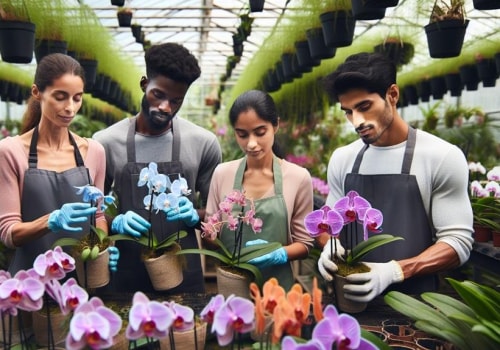
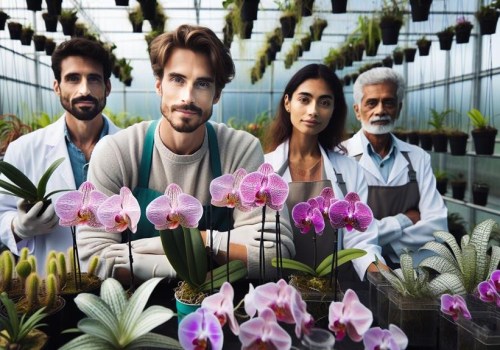
To effectively mitigate the effects of climate change on orchids, adopting sustainable cultivation practices is essential. These practices not only promote the health of orchid species but also contribute to the overall well-being of the environment. One of the most impactful methods is implementing organic farming techniques.This involves using natural fertilizers and pest control methods that minimize chemical runoff and soil degradation. For instance, composting kitchen scraps and garden waste can create nutrient-rich soil amendments that support healthy orchid growth without harming surrounding ecosystems. Additionally, responsible sourcing of orchid plants is crucial. Growers should prioritize purchasing orchids from reputable nurseries that practice sustainable harvesting methods. This helps ensure that wild populations are not overexploited and that genetic diversity is maintained. Another effective strategy is to utilize eco-friendly orchid care techniques.
This includes:
- Water conservation: Implementing drip irrigation systems can significantly reduce water usage while providing adequate moisture to orchids.
- Pest management: Introducing beneficial insects, such as ladybugs, can help control pest populations naturally, reducing the need for harmful pesticides.
- Energy-efficient lighting: Using LED grow lights can lower energy consumption while providing the necessary light spectrum for optimal orchid growth.
Community Engagement and Education
Community engagement plays a crucial role in orchid conservation, as it fosters a sense of responsibility and connection among local populations. By involving community members in conservation efforts, we can create a more sustainable approach to protecting these delicate plants.Educational Programs
- Workshops and seminars can be organized to educate the public about the importance of orchids in ecosystems and their vulnerability to climate change.
- Schools can incorporate orchid conservation into their curricula, teaching students about biodiversity and the specific needs of these plants.
- Community gardens can serve as living classrooms, where individuals can learn about native orchid species and their care.
Local Conservation Initiatives
- Community-led initiatives, such as planting native orchids in local parks, can help restore habitats and increase awareness of local flora.
- Partnerships with local botanical gardens can facilitate the sharing of knowledge and resources, enhancing conservation efforts.
- Organizing volunteer days for orchid monitoring and habitat restoration can engage community members directly in conservation activities.
Research and Innovation in Orchid Conservation
As climate change continues to pose significant threats to biodiversity, research and innovation in orchid conservation have become crucial. Scientists and conservationists are exploring various methods to ensure the survival of these delicate plants in a rapidly changing environment.One promising area of research is the use of genetic studies to understand the resilience of different orchid species.By analyzing genetic variations, researchers can identify traits that may help certain orchids withstand climate stressors such as increased temperatures and altered rainfall patterns. This knowledge can inform breeding programs aimed at enhancing the adaptability of orchids.In addition to genetic research, innovative techniques such as tissue culture are being employed to propagate endangered orchid species. This method allows for the mass production of orchids in controlled environments, reducing pressure on wild populations. Furthermore, tissue culture can facilitate the preservation of genetic diversity, which is essential for long-term survival.
Technological advancements
also play a vital role in orchid conservation efforts.
For instance, the use of remote sensing technology enables researchers to monitor orchid habitats from afar, providing valuable data on environmental changes and habitat degradation. Drones equipped with cameras can survey large areas quickly, helping conservationists identify critical regions that require immediate attention.Moreover, machine learning algorithms are being developed to predict how climate change will impact specific orchid species. By analyzing vast datasets, these algorithms can forecast potential threats and guide conservation strategies effectively.The integration of traditional conservation methods with modern technology represents a holistic approach to orchid conservation. As research continues to evolve, it is imperative that we embrace these innovations to safeguard the future of orchids against the challenges posed by climate change.
Frequently Asked Questions about Orchid Conservation
Orchid conservation is a vital topic for both enthusiasts and environmentalists alike.Here are some frequently asked questions that can help clarify important aspects of orchid care and conservation.
What are the main threats to orchids?
Orchids face several threats, including:- Habitat loss: Urban development, agriculture, and deforestation significantly reduce natural habitats.
- Climate change: Altered weather patterns can affect the delicate ecosystems where orchids thrive.
- Pest and disease: Increased pest populations and diseases can devastate orchid populations.
- Over-collection: Unsustainable harvesting for the floral trade can lead to population declines.
How can I help with orchid conservation?
There are several ways you can contribute to orchid conservation:- Support local conservation efforts: Participate in or donate to organizations focused on preserving orchid habitats.
- Grow native orchids: Cultivating native species in your garden can help maintain local biodiversity.
- Avoid purchasing wild-collected orchids: Opt for orchids that are cultivated sustainably to reduce pressure on wild populations.
What are some tips for caring for orchids?
Caring for orchids requires attention to their specific needs. Here are some essential tips:- Light: Most orchids prefer bright, indirect light. Too much direct sunlight can scorch their leaves.
- Watering: Water your orchids thoroughly but allow the potting medium to dry out slightly between waterings.
- Humidity: Orchids thrive in humid environments. Consider using a humidity tray or misting them regularly.
- Fertilization: Use a balanced fertilizer during the growing season to promote healthy growth and blooming.
Conclusion: The Path Forward for Orchid Conservation
In conclusion, the conservation of orchids in the face of climate change is not just a noble endeavor; it is a necessity for maintaining biodiversity and ecological balance.As we have explored, the impacts of climate change pose significant threats to these delicate plants, from altered weather patterns to habitat loss. However, by implementing effective conservation strategies, we can help mitigate these effects and ensure the survival of orchids for future generations.
Key strategies
for orchid conservation include:- Habitat Restoration: Rehabilitating natural habitats can provide orchids with the necessary conditions to thrive. This includes reforestation and the removal of invasive species that threaten native flora.
- Climate Adaptation: Understanding how different orchid species respond to climate change allows conservationists to develop targeted strategies that enhance resilience. This may involve relocating species to more suitable environments.
- Community Engagement: Involving local communities in conservation efforts fosters a sense of ownership and responsibility.
Educational programs can raise awareness about the importance of orchids and promote sustainable practices.
- Research and Monitoring: Ongoing research is crucial for understanding the specific needs of various orchid species. Monitoring populations helps track changes and informs adaptive management strategies.
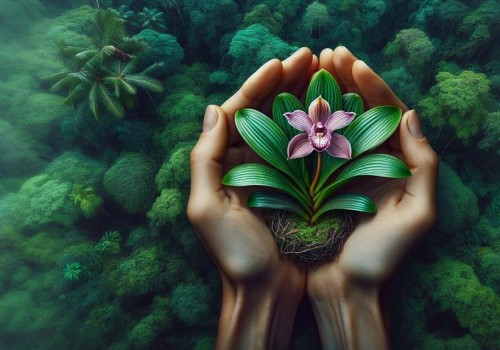
Let us embrace this challenge and strive for a future where orchids continue to flourish amidst changing climates.