Orchid conservation is a vital aspect of preserving biodiversity, as these stunning plants play a significant role in their ecosystems. With over 25,000 species of orchids worldwide, they are not only admired for their beauty but also serve as indicators of environmental health. The importance of orchid conservation extends beyond aesthetics; it encompasses the preservation of habitats, the maintenance of ecological balance, and the support of various wildlife that depend on orchids for survival. However, orchids face numerous threats that jeopardize their existence. Habitat destruction due to urbanization, deforestation, and agricultural expansion has led to a dramatic decline in many orchid populations.
Additionally, climate change poses a significant risk, altering the delicate conditions that these plants require to thrive. Over-collection for ornamental purposes and illegal trafficking further exacerbate the situation, making it imperative to address these challenges through effective conservation strategies. Involving youth in orchid conservation efforts is crucial for fostering a new generation of environmental stewards. By engaging young people in hands-on activities such as habitat restoration, educational programs, and community awareness campaigns, we can instill a sense of responsibility and passion for preserving these remarkable plants. As future leaders and advocates for the environment, youth can play a pivotal role in ensuring that orchids continue to flourish for generations to come.
The Role of Youth in Environmental Conservation
Engaging youth in orchid conservation is a vital aspect of broader environmental conservation efforts.Young people bring fresh perspectives, innovative ideas, and a passionate drive that can significantly enhance conservation initiatives. Their involvement not only helps in preserving delicate ecosystems but also fosters a sense of responsibility towards the environment.
Benefits of Youth Involvement
- Fresh Perspectives: Youth often approach problems with creativity and enthusiasm, leading to innovative solutions for conservation challenges.
- Increased Awareness: Involving young people in conservation efforts raises awareness about the importance of biodiversity, particularly regarding endangered species like orchids.
- Community Engagement: Youth can mobilize their peers and communities, creating a ripple effect that encourages collective action towards conservation goals.
- Skill Development: Participation in conservation projects equips young individuals with valuable skills such as teamwork, leadership, and scientific research techniques.
Environmental Education as a Catalyst
One effective way to involve youth in orchid conservation is through environmental education programs. These programs can be integrated into school curricula or offered as extracurricular activities. By learning about the ecological significance of orchids and the threats they face, students can develop a deeper appreciation for these plants and the ecosystems they inhabit.Field trips to local botanical gardens or conservation areas can provide hands-on experiences that reinforce classroom learning.
Engaging youth in activities such as planting orchids, monitoring their growth, or participating in citizen science projects can further solidify their commitment to conservation.Ultimately, by empowering youth to take an active role in orchid conservation, we not only safeguard these beautiful plants but also cultivate a generation of environmentally conscious leaders who will champion sustainability for years to come.
Educational Programs and Workshops
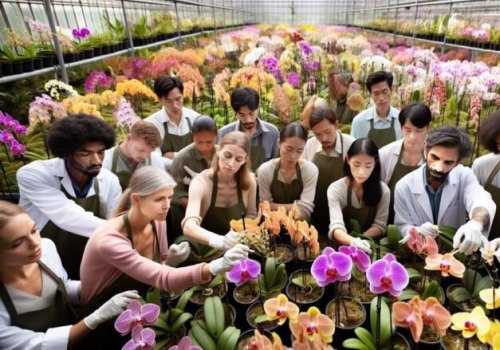
Engaging youth in orchid conservation through educational programs and workshops is essential for fostering a new generation of environmental stewards. These initiatives can provide young people with the knowledge and skills necessary to appreciate and protect these delicate plants.Orchid Conservation Workshops
- Hands-on Activities: Workshops can include hands-on activities such as potting orchids, learning about their natural habitats, and understanding the threats they face. This practical experience helps solidify theoretical knowledge.
- Field Trips: Organizing field trips to local botanical gardens or natural reserves allows youth to observe orchids in their natural environment. Such experiences can inspire a deeper connection to nature and the importance of conservation.
- Guest Speakers: Inviting experts in orchidology or conservation biology to speak can provide valuable insights.
These professionals can share their experiences and motivate youth to pursue careers in environmental science.
Educational Programs for Youth
- Curriculum Integration: Schools can integrate orchid conservation into science curricula, allowing students to learn about plant biology, ecosystems, and conservation strategies.
- Community Projects: Involving youth in community-based conservation projects, such as restoring local orchid habitats or participating in citizen science initiatives, empowers them to take action.
- Online Learning Platforms: Utilizing online resources and virtual workshops can reach a broader audience, making it easier for youth to engage with orchid conservation from anywhere.
Community Involvement and Volunteer Opportunities
Engaging youth in orchid conservation through community involvement and volunteer opportunities is essential for fostering a sense of responsibility towards the environment. By participating in local conservation efforts, young people can develop a deeper understanding of the ecological significance of orchids and the challenges they face.Volunteer Programs
- Local Botanical Gardens: Many botanical gardens offer volunteer programs where youth can help with orchid care, propagation, and education initiatives. These hands-on experiences allow them to learn about different orchid species and their habitats.
- Conservation Organizations: Partnering with organizations dedicated to orchid conservation can provide structured volunteer opportunities. Youth can participate in fieldwork, such as habitat restoration or monitoring wild orchid populations.
- Community Workshops: Organizing workshops focused on orchid cultivation and conservation can empower youth to take action.
These workshops can include activities like potting orchids, creating educational materials, or even leading community awareness campaigns.
Community Projects
- School Initiatives: Schools can implement programs that encourage students to engage in orchid conservation. This could involve creating school gardens featuring native orchids or conducting research projects on local orchid species.
- Public Awareness Campaigns: Youth can spearhead campaigns to raise awareness about the importance of orchids in local ecosystems. This could include social media outreach, informational booths at community events, or presentations at local schools.
- Partnerships with Local Businesses: Collaborating with local nurseries or garden centers can provide resources for youth-led conservation projects. These partnerships can also help promote sustainable practices within the community.
The skills and knowledge gained through these experiences will empower them to become advocates for orchid conservation, ensuring that future generations appreciate the beauty and importance of these remarkable plants.
Utilizing Technology and Social Media
In the digital age, technology and social media have become powerful tools for engaging youth in orchid conservation. By harnessing these platforms, organizations can create innovative campaigns that not only raise awareness but also inspire action among younger generations.Leveraging Social Media for Awareness
Social media platforms like Instagram, TikTok, and Twitter are ideal for reaching a younger audience. By sharing visually appealing content, such as stunning images of orchids and videos showcasing their habitats, conservation groups can capture the attention of youth. Engaging storytelling that highlights the importance of orchid conservation can motivate young people to participate in conservation efforts.Interactive Campaigns and Challenges
- Photo Contests: Encourage youth to share their own photos of orchids or their local habitats using specific hashtags.
This not only raises awareness but also fosters a sense of community.
- Awareness Challenges: Create challenges that encourage participants to learn about different orchid species and share their knowledge online. This could include quizzes or educational posts that can be shared across platforms.
Apps and Online Communities
Developing mobile applications focused on orchid conservation can provide youth with interactive learning experiences. These apps can include features such as:- Identification Tools: Help users identify local orchid species and learn about their ecological roles.
- Conservation Tips: Offer practical advice on how individuals can contribute to conservation efforts in their communities.
- Community Forums: Create spaces where young people can discuss their interests in orchids, share experiences, and collaborate on projects.
Creating Youth-Led Initiatives
Empowering youth to take the lead in orchid conservation can create a ripple effect, inspiring others and fostering a deeper connection to the environment.By establishing youth-led conservation projects, young leaders can address local orchid preservation challenges while developing valuable skills.One successful example is the Orchid Guardians Program , where high school students in Florida partnered with local botanical gardens to monitor and protect native orchid species. Through hands-on workshops, they learned about orchid biology, habitat requirements, and the importance of biodiversity. This initiative not only educated participants but also engaged the community in conservation efforts.Another inspiring project is the Green Youth Initiative , which encourages young people to create grassroots campaigns focused on raising awareness about endangered orchids. Participants have organized community events, such as "Orchid Days", where they host educational booths, plant sales, and guided nature walks.
These events not only promote orchid conservation but also empower youth to take ownership of their local ecosystems.To further support these initiatives, it is essential to provide resources and mentorship. Local conservation organizations can offer training sessions on project management, fundraising, and public speaking. By equipping young leaders with these skills, they can effectively advocate for their causes and mobilize their peers.Involving youth in orchid conservation through leadership opportunities fosters a sense of responsibility and stewardship for the environment. As they lead their own initiatives, they not only contribute to the preservation of these beautiful plants but also inspire future generations to continue the fight for biodiversity.
Partnerships with Schools and Organizations
Engaging youth in orchid conservation can be significantly enhanced through strategic partnerships with schools and various organizations.These collaborations not only provide resources but also create a platform for students to actively participate in conservation efforts.
School Partnerships for Conservation
- Schools can integrate orchid conservation into their science curricula, allowing students to learn about the ecological importance of orchids and the threats they face.
- Field trips to local botanical gardens or conservation areas can be organized, giving students hands-on experience with orchid species and their habitats.
- Projects such as planting native orchids in school gardens can foster a sense of responsibility and connection to local ecosystems.
Organizations Supporting Youth Involvement
- Non-profit organizations focused on environmental education often have programs specifically designed for youth engagement in orchid conservation.
- These organizations can provide training sessions, workshops, and resources that equip students with the knowledge needed to contribute effectively.
- Collaborative events, such as community clean-ups or orchid exhibitions, can be organized to raise awareness and encourage participation among young people.
Collaborative Efforts in Conservation
- Partnerships between schools and local conservation groups can lead to the development of mentorship programs where students work alongside experts in the field.
- Joint research projects can be initiated, allowing students to collect data on local orchid populations and contribute to ongoing conservation efforts.
- By participating in citizen science initiatives, youth can help monitor orchid health and report findings, fostering a sense of ownership over their local environment.
Success Stories: Youth Making a Difference in Orchid Conservation
Across the globe, youth have emerged as powerful advocates for orchid conservation, demonstrating that age is no barrier to making a significant impact. Here are some inspiring success stories that highlight their contributions:- The Orchid Project in Costa Rica: A group of high school students initiated a project to restore native orchid habitats in their local rainforest. They collaborated with local conservationists to plant over 1,000 orchid seedlings, raising awareness about the importance of these plants in their ecosystem.
Their efforts not only rejuvenated the local flora but also educated their community about sustainable practices.
- Young Conservationists in Thailand: In Thailand, a youth-led initiative focused on the endangered Vanda coerulea, a native orchid species. The team organized workshops to teach local farmers about sustainable harvesting techniques, ensuring that the orchids could thrive while still being utilized for traditional crafts. This approach not only preserved the species but also provided economic benefits to the community.
- Orchid Conservation Club in the USA: A group of middle school students formed an Orchid Conservation Club, where they engaged in hands-on activities such as propagating orchids and conducting research on local species. Their findings were presented at a national science fair, raising awareness about the threats facing orchids and inspiring other students to take action.
Their passion and innovative approaches not only contribute to the preservation of orchids but also inspire others to join the cause. By fostering a sense of responsibility and connection to nature, these young conservationists are paving the way for future generations to continue the fight for biodiversity.
Challenges and Solutions in Engaging Youth
Engaging youth in orchid conservation presents several challenges that can hinder their participation. Understanding these barriers is crucial for developing effective strategies to involve young people in this vital environmental effort.- Lack of Awareness: Many young individuals are unaware of the importance of orchid conservation and its impact on biodiversity. This lack of knowledge can lead to disinterest.
- Limited Access: Geographic and socioeconomic factors can restrict access to conservation programs, particularly in rural or underserved areas.
- Perceived Irrelevance: Youth may view conservation efforts as disconnected from their daily lives or future aspirations, making it difficult to engage them meaningfully.
- Educational Initiatives: Schools and community organizations can develop programs that educate youth about the significance of orchid conservation.
Workshops, field trips, and interactive sessions can spark interest and awareness.
- Hands-On Involvement: Creating opportunities for youth to participate in hands-on conservation activities, such as planting orchids or participating in restoration projects, can foster a sense of ownership and responsibility.
- Utilizing Technology: Leveraging social media and digital platforms can help reach a broader audience. Engaging content, such as videos and interactive campaigns, can attract youth attention and encourage participation.
Conclusion: The Future of Orchid Conservation with Youth Involvement
As we reflect on the various strategies to engage youth in orchid conservation, it becomes clear that their involvement is not just beneficial but essential for the future of these delicate ecosystems. By fostering a sense of responsibility and connection to nature, we can empower the next generation to take an active role in preserving biodiversity.Throughout this discussion, we have explored numerous avenues for youth engagement, including:- Educational Programs: Schools and community organizations can implement hands-on learning experiences that teach students about the importance of orchids and their habitats.
- Volunteer Opportunities: Involving youth in local conservation projects allows them to contribute directly to the preservation of orchid species while gaining practical skills.
- Advocacy and Awareness Campaigns: Encouraging young people to participate in campaigns raises awareness about the threats facing orchids and promotes community action.
- Research Initiatives: Engaging students in scientific research fosters critical thinking and a deeper understanding of ecological principles related to orchid conservation.
As youth become more involved, they not only learn about orchid conservation but also develop a lifelong passion for environmental stewardship. This engagement can lead to innovative solutions and fresh perspectives on conservation challenges.In conclusion, the future of orchid conservation hinges on our ability to inspire and involve young people today. By investing in their education, providing opportunities for hands-on experience, and encouraging advocacy, we can cultivate a generation that values and protects our natural heritage. Together, we can ensure that orchids continue to thrive for years to come.