Orchids are among the most diverse and captivating plants on the planet, with over 25,000 species identified worldwide. Their intricate beauty and unique adaptations make them a vital component of many ecosystems. However, orchid conservation has become increasingly important as habitat loss, climate change, and illegal trade threaten their survival. Understanding the significance of conserving these remarkable plants is crucial not only for preserving biodiversity but also for maintaining the health of the ecosystems they inhabit. The importance of orchid conservation extends beyond the aesthetic appeal of these flowers.
Orchids play essential roles in their environments, including serving as indicators of ecological health and providing habitats for various organisms. Many species rely on orchids for food and shelter, making their conservation critical for sustaining overall biodiversity. Furthermore, orchids have significant cultural and economic value, contributing to horticulture and tourism industries around the globe. As we delve into the various methods employed in orchid conservation, it is essential to recognize that these strategies are not just about saving individual species but also about protecting entire ecosystems. From habitat restoration to ex-situ conservation techniques, each method plays a pivotal role in ensuring that future generations can appreciate the beauty and ecological importance of orchids.
By fostering a deeper understanding of these methods, we can collectively contribute to the preservation of these extraordinary plants and the rich biodiversity they represent.
In-Situ Conservation Methods
In-situ conservation methods are vital for the preservation of orchids, as they focus on protecting these plants within their natural habitats. This approach not only safeguards the orchids themselves but also helps maintain the entire ecosystem in which they thrive. By conserving the natural environment, we ensure that the complex interactions between orchids and their pollinators, as well as other flora and fauna, remain intact.One of the primary strategies for in-situ conservation is the establishment of protected areas. These designated regions, such as national parks and nature reserves, provide a safe haven for orchids and other native species.Within these protected areas, human activities that could harm the delicate ecosystems are restricted or regulated. This allows for a more stable environment where orchids can grow and reproduce without the pressures of habitat destruction or invasive species.Another important aspect of in-situ conservation is natural habitat preservation. This involves actively managing and restoring habitats that have been degraded or altered by human activities. Efforts may include:
- Reforestation: Planting native trees and plants to restore forested areas where orchids naturally occur.
- Invasive species control: Removing non-native plants and animals that threaten the survival of native orchids.
- Water management: Ensuring that water sources are clean and available to support orchid populations.
Local communities can be engaged in conservation efforts through education and awareness programs that highlight the importance of orchids and their ecosystems. By fostering a sense of stewardship among residents, we can create a culture of conservation that benefits both people and nature.In summary, in-situ conservation methods are essential for the long-term survival of orchids. By protecting their natural habitats through established protected areas and active management practices, we can ensure that these beautiful plants continue to thrive in their ecosystems for generations to come.
Ex-Situ Conservation Techniques
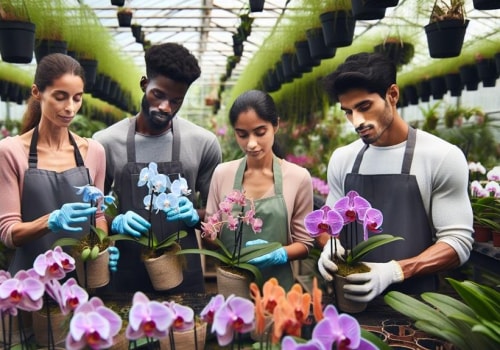
Ex-situ conservation techniques play a crucial role in the preservation of orchid species that are threatened or endangered in their natural habitats. These methods involve the cultivation and maintenance of orchids outside their natural environments, ensuring their survival and genetic diversity.One of the primary methods of ex-situ conservation is the establishment of orchid nurseries.These specialized facilities focus on growing orchids from seeds or cuttings, providing optimal conditions for their growth. Nurseries not only cultivate rare species but also educate the public about the importance of orchid conservation. By promoting awareness and appreciation, nurseries can foster a culture of conservation among enthusiasts and collectors.Another significant technique is the use of seed banks. These facilities store seeds from various orchid species, preserving their genetic material for future research and restoration efforts.
Seed banks play a vital role in maintaining genetic diversity, which is essential for the resilience of orchid populations. When natural habitats are restored or when reintroduction efforts are planned, these seeds can be germinated to produce new plants that can thrive in their native environments.
Tissue culture
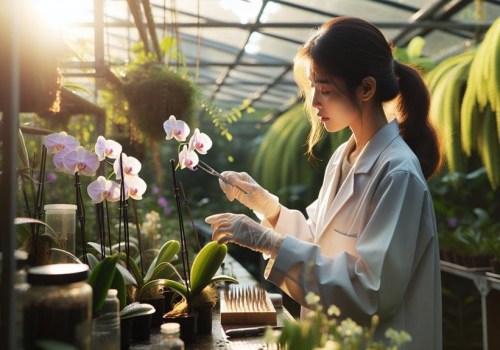
is an advanced method that has revolutionized orchid conservation. This technique involves growing orchids from small tissue samples in a controlled laboratory environment. Tissue culture allows for the rapid multiplication of orchids, producing large numbers of genetically identical plants.This method is particularly useful for rare species that may have low seed viability or slow growth rates in nature. By using tissue culture, conservationists can quickly generate plants for reintroduction into their natural habitats.In summary, ex-situ conservation techniques such as orchid nurseries, seed banks, and tissue culture are essential for preserving the genetic diversity of orchids and supporting reintroduction efforts. These methods not only safeguard individual species but also contribute to the overall health of ecosystems where orchids play a vital role.
Community Involvement in Orchid Conservation
Community involvement plays a crucial role in orchid conservation, as local communities often possess invaluable knowledge about their native ecosystems. Engaging these communities not only fosters a sense of ownership but also enhances the effectiveness of conservation efforts.Local Conservation Efforts
- Education and Awareness: Local workshops and educational programs can raise awareness about the importance of orchids and their habitats.
By informing community members about the ecological roles of orchids, they become more invested in their preservation.
- Habitat Restoration: Communities can participate in habitat restoration projects, such as reforestation or the removal of invasive species that threaten orchid populations. These hands-on activities empower locals to take direct action in conserving their natural heritage.
- Monitoring Populations: Local volunteers can assist in monitoring orchid populations, helping to track changes over time. This data is essential for understanding the health of orchid species and can inform future conservation strategies.
Citizen Science in Orchid Conservation
Citizen science initiatives have emerged as a powerful tool in orchid conservation. By involving non-professionals in scientific research, these programs can significantly expand data collection efforts.
- Data Collection: Community members can contribute to data collection by documenting orchid sightings, which helps scientists map distribution patterns and identify potential threats.
- Engagement through Technology: Mobile apps and online platforms allow citizens to report their findings easily.
This technology not only streamlines data collection but also encourages broader participation.
- Building a Conservation Network: Citizen science fosters collaboration among various stakeholders, including local governments, NGOs, and academic institutions. This network can lead to more comprehensive conservation strategies that benefit both orchids and the communities that cherish them.
Legislation and Policy Frameworks for Orchid Protection
Effective orchid conservation relies heavily on a robust legal framework that encompasses both national and international efforts. One of the most significant international agreements is the Convention on International Trade in Endangered Species of Wild Fauna and Flora (CITES), which plays a crucial role in regulating the trade of endangered orchid species.CITES categorizes orchids into different appendices based on their level of threat, with Appendix I including species that are most at risk and require the highest level of protection.Under CITES, countries must ensure that any international trade in listed orchid species is sustainable and does not threaten their survival in the wild. This agreement not only helps to protect endangered orchids but also promotes awareness and cooperation among nations to combat illegal trafficking.In addition to international agreements, many countries have established their own orchid protection laws. These laws often include measures such as:
- Habitat protection: Safeguarding natural habitats where orchids grow is essential for their survival.
- Regulation of collection: Many jurisdictions require permits for the collection of wild orchids, ensuring that such activities are conducted sustainably.
- Restoration initiatives: Some laws promote the restoration of degraded habitats to support orchid populations.
By adhering to international agreements like CITES and implementing strong national laws, we can create a comprehensive approach to protect these beautiful and ecologically important plants from extinction.
Challenges Facing Orchid Conservation Efforts
Orchid conservation faces numerous challenges that complicate efforts to protect these delicate plants. One of the most significant issues is habitat loss, which occurs due to urbanization, agriculture, and deforestation. As natural habitats are destroyed or fragmented, orchids lose their native environments, making it increasingly difficult for them to thrive. This loss not only affects the orchids themselves but also disrupts the entire ecosystem, as many orchids have specific relationships with pollinators and other plant species.Another pressing challenge is the impact of climate change.Rising temperatures and shifting weather patterns can alter the delicate balance of ecosystems where orchids grow. For instance, some orchid species may find their ideal growing conditions moving to higher altitudes or latitudes, which can lead to population declines if they cannot adapt quickly enough. Additionally, extreme weather events such as droughts or floods can directly damage orchid populations and their habitats.Illegal trade poses yet another significant threat to orchid conservation. Many rare and endangered orchid species are targeted for their beauty and rarity, leading to over-collection in the wild.
This not only depletes natural populations but also undermines conservation efforts aimed at protecting these species. The demand for exotic orchids in the horticultural market often drives this illegal activity, making it essential for conservationists to raise awareness and implement stricter regulations.In summary, addressing the challenges of habitat loss, climate change, and illegal trade is crucial for effective orchid conservation. By understanding these threats, conservationists can develop targeted strategies to protect these remarkable plants and ensure their survival for future generations.
Future Directions in Orchid Conservation Research
As the challenges facing orchid conservation become increasingly complex, the future of research in this field is poised to embrace innovative methodologies and technologies. One promising direction is the integration of genomic research, which allows scientists to understand the genetic diversity and resilience of various orchid species.By identifying genetic markers associated with adaptability, conservationists can prioritize efforts to protect those species most at risk from climate change and habitat loss.Another emerging trend is the use of biotechnology in orchid propagation. Techniques such as tissue culture and micropropagation are revolutionizing how we cultivate orchids, enabling the mass production of endangered species for reintroduction into their natural habitats. This method not only helps in increasing population numbers but also ensures genetic diversity among reintroduced plants.Furthermore, advancements in remote sensing technology are enhancing our ability to monitor orchid populations and their habitats. Drones equipped with high-resolution cameras can survey large areas, providing critical data on habitat conditions and orchid distribution without disturbing the ecosystems.
This technology allows for more efficient resource allocation in conservation efforts.Collaboration between researchers, local communities, and conservation organizations is also becoming a focal point in future orchid conservation strategies. Engaging local stakeholders ensures that conservation practices are culturally relevant and sustainable, fostering a sense of ownership and responsibility towards preserving these unique plants.In summary, the future of orchid conservation research is bright, driven by innovative methods that leverage technology and community involvement. As we continue to explore these avenues, we can hope for more effective strategies that not only protect orchids but also enhance biodiversity as a whole.
Frequently Asked Questions about Orchid Conservation
Orchid conservation is a vital topic as these beautiful plants face numerous threats, including habitat loss, climate change, and illegal trade. Here are some frequently asked questions that can help you understand more about this important subject.What are the main threats to orchids?
Orchids are primarily threatened by:- Habitat destruction: Urban development, agriculture, and deforestation lead to the loss of natural habitats.
- Climate change: Altered weather patterns can affect the delicate ecosystems where orchids thrive.
- Illegal collection: Many orchids are poached for their beauty, which can lead to population declines.
How can I help conserve orchids?
There are several ways individuals can contribute to orchid conservation:- Support conservation organizations: Donate to or volunteer with groups dedicated to protecting orchid habitats.
- Educate others: Share information about the importance of orchids and the threats they face.
- Avoid purchasing wild orchids: Opt for cultivated varieties instead of wild specimens to discourage illegal trade.
Are there any successful orchid conservation programs?
Yes, many programs have made significant strides in orchid conservation.For example:
- The Orchid Conservation Alliance works on habitat preservation and restoration projects.
- The IUCN Red List provides valuable data on orchid species at risk, helping prioritize conservation efforts.
Conclusion: The Importance of Orchid Conservation Efforts
In conclusion, orchid conservation is not merely an environmental concern; it is a vital component of maintaining global biodiversity and ecological balance. The various methods employed in orchid conservation, such as habitat preservation, propagation techniques, and community engagement, underscore the multifaceted approach required to protect these delicate species. As we have explored, the loss of orchid species can have cascading effects on ecosystems, affecting not only the plants themselves but also the myriad organisms that depend on them for survival. Therefore, it is imperative that we recognize the significance of these efforts and support initiatives aimed at conserving orchids.- Habitat Protection: Safeguarding natural habitats is crucial for the survival of orchids in their native environments. This includes establishing protected areas and enforcing regulations against habitat destruction.
- Propagation Techniques: Utilizing both in situ and ex situ propagation methods allows for the cultivation of orchids in controlled environments, which can then be reintroduced into their natural habitats.
- Community Involvement: Engaging local communities in conservation efforts fosters a sense of stewardship and responsibility towards preserving orchid species.
Educational programs can raise awareness about the importance of orchids and their role in ecosystems.