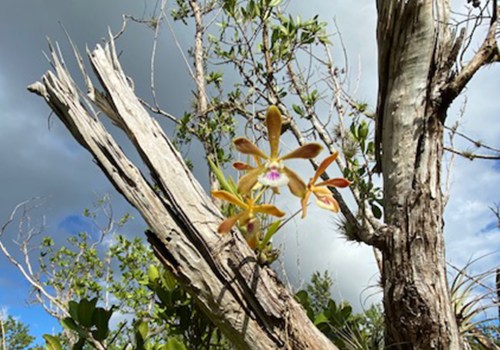
Orchid conservation is a critical aspect of preserving biodiversity, as orchids are not only one of the most diverse families of flowering plants but also play a vital role in their ecosystems. With over 25,000 species worldwide, orchids contribute to the ecological balance by providing habitats and food sources for various organisms. However, the significance of orchid conservation extends beyond their ecological roles; these plants are also culturally and economically important, often symbolizing beauty and luxury in many societies. Despite their importance, orchids face numerous threats that jeopardize their survival. Habitat destruction due to urbanization, agriculture, and deforestation is one of the primary challenges.
Additionally, climate change poses a significant risk by altering the delicate environments in which many orchid species thrive. Over-collection for ornamental purposes further exacerbates the decline of certain species, making it imperative to address these issues through effective conservation strategies. Understanding the multifaceted nature of orchid conservation is essential for developing comprehensive approaches to protect these remarkable plants. As we delve deeper into this topic, it becomes clear that government policies play a pivotal role in shaping conservation efforts. By implementing regulations and initiatives aimed at protecting natural habitats and promoting sustainable practices, governments can significantly impact the future of orchid species and their ecosystems.
The Importance of Government Policies in Conservation
Government policies play a crucial role in orchid conservation, influencing various aspects of environmental protection and biodiversity preservation.These policies can take many forms, including funding initiatives, regulatory frameworks, and international agreements that collectively shape the landscape of conservation efforts.
Funding Initiatives
- Government funding is essential for research and conservation programs aimed at protecting endangered orchid species. Grants and subsidies can support botanical gardens, research institutions, and non-profit organizations dedicated to orchid conservation.
- Financial support can also facilitate community engagement programs that educate the public about the importance of orchids and their ecosystems.
Regulatory Frameworks
- Effective regulations are necessary to protect natural habitats where orchids thrive. This includes laws that restrict land development in sensitive areas and enforce sustainable land-use practices.
- Policies that regulate the trade of orchids, such as the Convention on International Trade in Endangered Species of Wild Fauna and Flora (CITES), help prevent over-exploitation and ensure that any trade is sustainable.
International Agreements
- Global cooperation is vital for the conservation of orchids, especially those that cross national borders. International agreements facilitate collaboration among countries to share resources, knowledge, and strategies for effective conservation.
- Such agreements often include commitments to protect biodiversity hotspots where orchids are found, ensuring that these areas receive the attention they need for preservation.
By providing necessary funding, establishing robust regulations, and fostering international collaboration, governments can significantly enhance conservation efforts. Ultimately, a strong governmental role is essential for creating a sustainable future for orchids and their ecosystems.
Key Government Policies Affecting Orchid Conservation
Government policies play a crucial role in orchid conservation, particularly through regulations that protect endangered species and their habitats. Two significant frameworks that impact orchid conservation are the Convention on International Trade in Endangered Species of Wild Fauna and Flora (CITES) and the Endangered Species Act (ESA).CITES and Orchids
CITES is an international agreement aimed at ensuring that international trade does not threaten the survival of wild animals and plants. Many orchid species are included in CITES Appendix II, which regulates trade to prevent over-exploitation.This means that while trade is allowed, it must be controlled through permits that ensure sustainability. For instance, the Phalaenopsis and Dendrobium genera are popular in the ornamental plant market, but their trade is closely monitored under CITES to protect wild populations from being depleted.
Endangered Species Act and Orchids
The Endangered Species Act, enacted in 1973, provides a framework for the conservation of threatened and endangered plants and animals. Under this act, several orchid species have been listed as endangered, which affords them legal protection against habitat destruction, poaching, and other threats. For example, the Cypripedium calceolus, commonly known as the lady's slipper orchid, is protected under this act, which helps ensure its survival through habitat preservation and restoration efforts.- Habitat Protection: The ESA mandates the designation of critical habitats essential for the survival of listed orchid species.
- Recovery Plans: The act requires the development of recovery plans that outline steps to restore populations of endangered orchids.
- Public Awareness: Government initiatives often include educational programs to raise awareness about the importance of conserving orchids.
They not only regulate trade and protect habitats but also promote recovery efforts for endangered species, ensuring that these beautiful plants continue to thrive for future generations.
Case Studies: Successful Government-Led Orchid Conservation Initiatives
Government-led initiatives have proven to be pivotal in the realm of orchid conservation, showcasing effective strategies that not only protect these delicate species but also promote biodiversity. Here are some notable case studies that highlight successful programs:- United States: The Endangered Species Act
The U.S. Fish and Wildlife Service has implemented the Endangered Species Act, which has been instrumental in protecting several orchid species, such as the Cypripedium calceolus (yellow lady's slipper). Through habitat restoration and legal protection, populations of this orchid have seen a resurgence in various states. - Singapore: National Orchid Garden
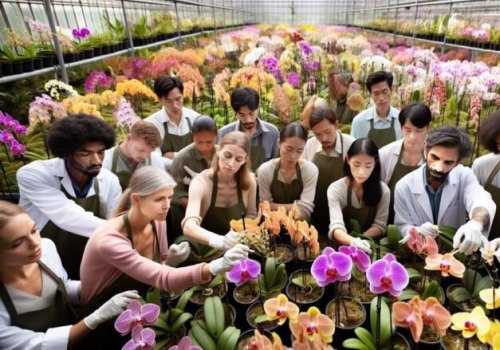
Singapore's National Orchid Garden is a prime example of a government initiative that combines conservation with public education.The garden showcases over 1,000 species and hybrids of orchids, promoting awareness and appreciation while also engaging in research and conservation efforts to protect native orchids.
- Brazil: The Atlantic Forest Restoration Pact
In Brazil, the Atlantic Forest Restoration Pact has led to the recovery of numerous orchid habitats. This initiative involves reforestation efforts that not only benefit orchids but also other flora and fauna, demonstrating a holistic approach to ecosystem restoration.
Challenges Faced by Government Policies in Orchid Conservation
Despite the critical importance of orchid conservation, government policies often encounter significant challenges that hinder their effectiveness. Understanding these obstacles is essential for developing more robust conservation strategies.- Funding Shortages: One of the primary challenges is the lack of adequate funding.
Many government programs aimed at orchid conservation are underfunded, which limits their ability to implement comprehensive conservation measures. Without sufficient financial resources, initiatives such as habitat restoration, research, and public education campaigns cannot be effectively executed.
- Bureaucratic Hurdles: Government policies are often bogged down by complex bureaucratic processes. The lengthy approval times for conservation projects can delay urgent actions needed to protect endangered orchid species. Additionally, overlapping jurisdictions among various governmental agencies can lead to confusion and inefficiencies in policy implementation.
- Enforcement Difficulties: Even when policies are in place, enforcing them can be a significant challenge.
Limited personnel and resources for monitoring protected areas mean that illegal activities, such as poaching and habitat destruction, often go unchecked. This lack of enforcement undermines the effectiveness of existing regulations aimed at safeguarding orchids.
- Lack of Public Awareness: Government policies may also struggle due to a general lack of public awareness regarding the importance of orchid conservation. Without community support and engagement, initiatives may fail to gain traction or receive the necessary backing from local stakeholders.
The Role of Local Communities and Governments in Orchid Conservation
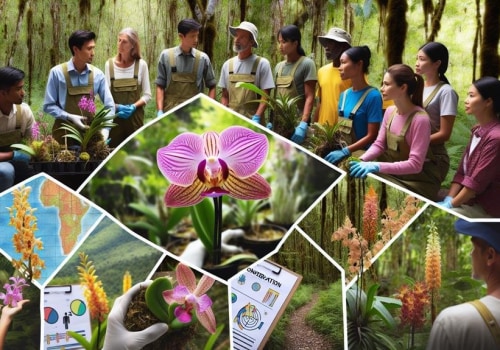
Orchid conservation is not solely the responsibility of governmental bodies; it thrives through the active participation of local communities.Grassroots initiatives play a crucial role in raising awareness and fostering a culture of conservation among residents. When communities are engaged, they become stewards of their local environments, ensuring that the delicate ecosystems that support orchids are preserved.
Community Involvement in Orchid Conservation
- Education and Awareness: Local communities can organize workshops and educational programs to inform residents about the importance of orchids and their ecological roles. This knowledge empowers individuals to take action.
- Volunteer Programs: Community-led volunteer programs can mobilize residents to participate in orchid monitoring, habitat restoration, and invasive species removal, directly contributing to conservation efforts.
- Local Partnerships: Collaborations between community groups, schools, and environmental organizations can amplify conservation messages and resources, creating a united front for orchid preservation.
The Role of Local Governments
Local governments also play a pivotal role in supporting orchid conservation. They can implement policies that protect natural habitats and regulate land use to minimize habitat destruction.
Additionally, local governments can:
- Provide Funding: Allocate funds for conservation projects that focus on orchid habitats, ensuring that necessary resources are available for effective management.
- Create Protected Areas: Designate specific regions as protected areas where orchids can thrive without the threat of development or pollution.
- Encourage Sustainable Practices: Promote sustainable agricultural practices that reduce chemical use and habitat disruption, benefiting both local farmers and orchid populations.
Future Directions for Government Policies in Orchid Conservation
As we look towards the future of orchid conservation, it is essential for government policies to evolve and adapt to the changing environmental landscape. Innovative approaches are necessary to address the unique challenges faced by these delicate plants, which are often threatened by habitat loss, climate change, and illegal trade.Integrating Technology in Conservation Efforts
- Remote Sensing: Utilizing satellite imagery and drones can help monitor orchid populations and their habitats, providing real-time data for conservationists.
- Genetic Research: Investing in genetic studies can aid in understanding the resilience of different orchid species, allowing for targeted conservation strategies.
- Strengthening Legal Frameworks: Governments should enhance existing laws to protect endangered orchid species and impose stricter penalties for illegal collection and trade.
- Promoting Public Awareness: Educational campaigns can engage local communities in conservation efforts, fostering a sense of stewardship towards native orchids.
- Collaborative Conservation Programs: Encouraging partnerships between governmental bodies, NGOs, and local stakeholders can lead to more comprehensive conservation strategies that leverage diverse expertise.
By investing in both scientific research and community engagement, governments can create a robust framework that not only protects existing orchid species but also promotes biodiversity as a whole.In conclusion, the future of government policies in orchid conservation hinges on innovation, collaboration, and a commitment to sustainable practices. By embracing these principles, we can ensure that orchids continue to thrive for generations to come.
FAQs about Government Policies and Orchid Conservation
Understanding the role of government policies in orchid conservation is crucial for both environmentalists and the general public. Here are some frequently asked questions that shed light on this important topic:- What types of government policies exist for orchid conservation?
Government policies for orchid conservation can include protective legislation, funding for research, habitat preservation initiatives, and regulations on trade. For instance, the Endangered Species Act in the United States provides legal protection for threatened orchid species, ensuring their habitats are preserved and that they are not exploited. - How do these policies impact local communities?
Effective orchid conservation policies can lead to sustainable tourism opportunities, which benefit local economies.By promoting eco-tourism centered around native orchids, communities can generate income while preserving their natural heritage.
- Are there any international agreements that support orchid conservation?
Yes, international agreements such as the Convention on International Trade in Endangered Species of Wild Fauna and Flora (CITES) play a significant role in regulating the trade of endangered orchids. These agreements help prevent over-exploitation and ensure that conservation efforts are globally coordinated. - What role do non-governmental organizations (NGOs) play in conjunction with government policies?
NGOs often collaborate with governments to implement orchid conservation strategies. They may provide expertise, funding, and grassroots support to enhance the effectiveness of government initiatives. - How can individuals contribute to orchid conservation efforts?
Individuals can support orchid conservation by advocating for strong policies, participating in local conservation programs, and educating others about the importance of preserving these unique plants.