Orchids, with their stunning diversity and intricate beauty, are not just a feast for the eyes; they play a crucial role in maintaining biodiversity and supporting healthy ecosystems. As one of the largest families of flowering plants, orchids contribute significantly to the ecological balance by providing habitat and food for various species, including pollinators like bees and butterflies. The conservation of these remarkable plants is essential, not only for their aesthetic value but also for their ecological importance. Despite their resilience, orchids face numerous threats that jeopardize their survival.
Climate change
and habitat loss are two of the most pressing challenges impacting orchid conservation efforts worldwide.Rising temperatures, altered precipitation patterns, and extreme weather events disrupt the delicate ecosystems where orchids thrive. Additionally, urbanization, deforestation, and agricultural expansion lead to the destruction of natural habitats, further endangering these exquisite plants. Conservation efforts aimed at protecting orchids are vital in mitigating these threats. Initiatives range from habitat restoration projects to legal protections for endangered species. By understanding the significance of orchid conservation and the challenges posed by environmental changes, we can better appreciate the need for proactive measures to ensure that these beautiful plants continue to flourish in our world.
The Role of Orchids in Ecosystems
Orchids are not just beautiful flowers; they play a crucial role in ecosystems.Their intricate relationships with various species highlight their ecological importance. One of the most significant aspects of orchids is their dependence on specific pollinators, which can include bees, butterflies, and even birds. This relationship is often highly specialized, with certain orchids evolving unique traits to attract particular pollinators.
Pollination Dynamics
- Mutualism: Orchids and their pollinators engage in a mutualistic relationship where both parties benefit. The orchid provides nectar or a reward for the pollinator, while the pollinator facilitates the orchid's reproduction by transferring pollen.
- Diversity of Pollinators: The diversity of orchid species corresponds to a wide range of pollinators.
For instance, some orchids mimic the appearance and scent of female insects to attract male pollinators, showcasing an extraordinary evolutionary adaptation.
- Impact on Biodiversity: The decline of orchids can lead to reduced populations of their specialized pollinators, which may further disrupt local ecosystems and diminish biodiversity.
- Soil Health: Orchids often grow in symbiotic relationships with mycorrhizal fungi, which help them absorb nutrients from the soil. This interaction not only benefits the orchids but also enhances soil health and fertility.
- Habitat Structure: As part of the flora, orchids contribute to the structural complexity of their environments. This complexity provides shelter and resources for various organisms, from insects to larger wildlife.
Climate Change: A Growing Threat to Orchids
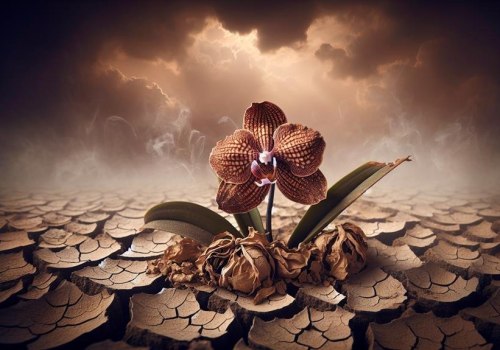
Climate change poses a significant threat to orchid conservation, impacting these delicate plants in various ways.One of the most pressing issues is the shift in temperature. Many orchid species have specific temperature requirements for growth and reproduction. As global temperatures rise, these species may find their natural habitats unsuitable, leading to decreased populations or even extinction.In addition to temperature changes, altered precipitation patterns can severely affect orchids. Some species rely on consistent rainfall for their survival, while others thrive in drier conditions.
Changes in rainfall can disrupt the delicate balance of moisture that orchids need, affecting their ability to photosynthesize and reproduce.Moreover, the increased frequency of extreme weather events, such as hurricanes and droughts, can devastate orchid habitats. These events not only destroy existing populations but also hinder the recovery of affected areas. For instance, heavy storms can wash away seedlings and disrupt the soil structure necessary for orchid growth.To illustrate the impact of climate change on orchid conservation, consider the following:
- Temperature Sensitivity: Many orchids are sensitive to even slight temperature fluctuations, which can lead to altered flowering times and reduced seed viability.
- Habitat Fragmentation: As climate zones shift, orchids may become isolated in fragmented habitats, making it difficult for them to migrate or adapt.
- Pest and Disease Pressure: Warmer temperatures can lead to an increase in pests and diseases that threaten orchid populations.
This includes habitat protection, restoration efforts, and research into adaptive management practices that can help mitigate the impacts of climate change on orchids.
Habitat Loss: The Silent Killer of Orchids
Habitat loss is a critical threat to orchid conservation, primarily driven by human activities such as deforestation and urbanization. These factors not only reduce the available space for orchids to thrive but also disrupt the delicate ecosystems that support their growth.Deforestation
poses a significant risk to orchid populations, particularly in tropical regions where many species are endemic. The removal of trees and vegetation leads to a loss of shade and humidity, which are essential for many orchids. As forests are cleared for agriculture or logging, the microhabitats that orchids depend on are destroyed, making it increasingly difficult for these plants to survive.Moreover, the impact of urbanization cannot be overlooked.As cities expand, natural habitats are replaced with concrete structures, roads, and other infrastructure. This transformation not only fragments orchid populations but also introduces pollution and invasive species that can outcompete native orchids. Urban areas often lack the necessary conditions for orchids to flourish, leading to a decline in their numbers.To combat these challenges, effective habitat protection strategies are essential. Conservation efforts must focus on preserving existing habitats and restoring degraded areas.
This can include:
- Establishing protected areas: Designating regions as conservation zones can help safeguard critical habitats from further destruction.
- Promoting sustainable land use: Encouraging practices that balance agricultural needs with environmental conservation can mitigate habitat loss.
- Community engagement: Involving local communities in conservation efforts fosters stewardship and raises awareness about the importance of preserving orchid habitats.
Conservation Strategies for Orchids in a Changing World
As climate change and habitat loss pose significant threats to orchid conservation, various strategies are being implemented to safeguard these delicate plants. Effective conservation efforts can be categorized into two main approaches: in-situ and ex-situ conservation.In-Situ Conservation
In-situ conservation involves protecting orchids in their natural habitats. This strategy focuses on preserving the ecosystems where orchids thrive, ensuring that the environmental conditions necessary for their survival are maintained.Key actions include:
- Habitat Protection: Establishing protected areas such as national parks and reserves helps shield orchids from urban development and agricultural expansion.
- Restoration Projects: Initiatives aimed at restoring degraded habitats can enhance orchid populations. This may involve reforestation or the removal of invasive species that threaten native flora.
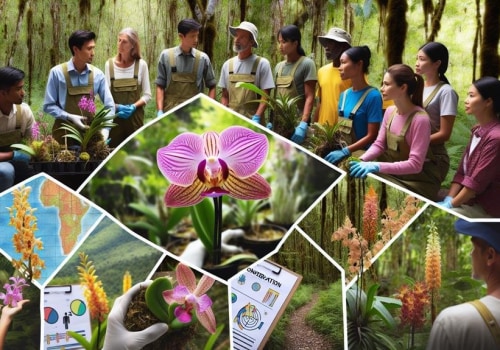
- Community Engagement: Involving local communities in conservation efforts fosters a sense of stewardship. Educational programs can raise awareness about the importance of orchids and their ecosystems.
Ex-Situ Conservation
Ex-situ conservation, on the other hand, refers to the preservation of orchid species outside their natural habitats. This approach is crucial for species that are critically endangered or facing immediate threats.Key strategies include:
- Botanical Gardens: These institutions play a vital role in conserving orchid diversity by cultivating various species and providing a controlled environment for research and education.
- Seed Banks: Collecting and storing orchid seeds ensures genetic diversity is preserved, allowing for future restoration efforts.
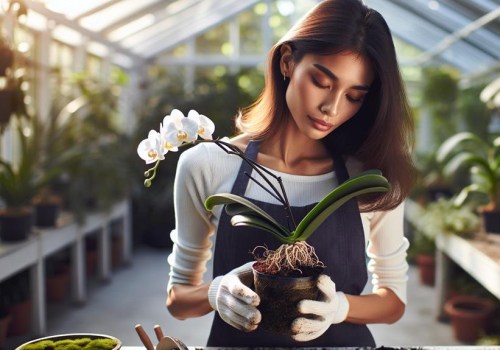
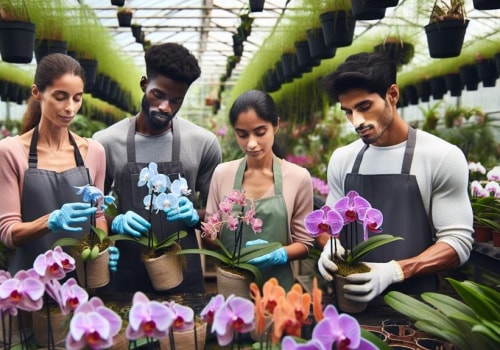
- Cultivation Programs: Breeding programs can help increase populations of rare orchids, making it possible to reintroduce them into their natural habitats when conditions improve.
Case Studies: Successful Orchid Conservation Efforts
Orchid conservation efforts have seen remarkable success in various regions, showcasing innovative strategies and community involvement. Here are some notable case studies that highlight effective approaches to protecting these delicate plants.1.The Orchid Conservation Program in Madagascar
Madagascar is home to a diverse range of orchid species, many of which are endemic. The Orchid Conservation Program initiated by the Madagascar National Parks has focused on habitat restoration and community education.By involving local communities in conservation efforts, the program has successfully increased awareness about the importance of orchids and their ecosystems. This initiative has led to the protection of over 20,000 hectares of orchid habitats, significantly reducing the threat of habitat loss.
2.The North American Orchid Conservation Center (NAOCC)
The NAOCC is a collaborative effort aimed at conserving native orchids in North America. This program emphasizes research, propagation, and reintroduction of threatened species. One of their successful projects involved the propagation of the Platanthera leucophaea, commonly known as the Eastern Prairie Fringed Orchid.Through meticulous research and cultivation techniques, NAOCC has managed to reintroduce this species into its native habitat, resulting in a thriving population.
3.The Royal Botanic Gardens, Kew
The Royal Botanic Gardens in Kew, England, has been at the forefront of orchid conservation through its extensive research and seed banking initiatives. Their Orchid Seed Conservation Program aims to collect and store seeds from endangered orchid species worldwide. This program not only preserves genetic diversity but also provides a resource for future restoration projects. Kew's efforts have successfully safeguarded over 1,000 orchid species, making it a vital player in global conservation.These case studies exemplify how targeted strategies and community engagement can lead to successful orchid conservation.By learning from these examples, future conservation projects can adopt similar methodologies to protect these beautiful and ecologically important plants.
FAQs about Orchid Conservation and Climate Change
As the world grapples with the effects of climate change, many people have questions about how these changes impact orchid conservation. Below are some frequently asked questions that shed light on this critical issue.What is the relationship between climate change and orchid conservation?
Climate change poses significant threats to orchid conservation by altering their natural habitats. Changes in temperature and precipitation patterns can disrupt the delicate ecosystems where orchids thrive. Many orchids are highly specialized and depend on specific environmental conditions, making them particularly vulnerable to climate shifts.How does habitat loss affect orchids?
Habitat loss, often driven by urbanization, agriculture, and deforestation, directly impacts orchid populations.As their natural environments are destroyed or fragmented, orchids face increased competition from invasive species and reduced access to pollinators. This can lead to decreased reproduction rates and, ultimately, extinction.
What can be done to support orchid conservation?
- Protect natural habitats: Supporting conservation efforts that focus on preserving existing orchid habitats is crucial.
- Promote sustainable practices: Encouraging sustainable land use and agricultural practices can help mitigate habitat loss.
- Participate in citizen science: Engaging in local conservation projects can raise awareness and contribute valuable data for research.
Are there specific orchids that are more affected by climate change?
Yes, certain species of orchids are more sensitive to climate variations. For instance, Cattleya and Dendrobium species often require specific humidity levels and temperatures. As these conditions fluctuate due to climate change, their survival becomes increasingly precarious.How can individuals help with orchid conservation?
Individuals can play a vital role in orchid conservation by:- Avoiding wild collection: Never collect orchids from the wild; instead, purchase them from reputable nurseries.
- Educating others: Share knowledge about the importance of orchids and their ecosystems.
- Supporting conservation organizations: Donate or volunteer with organizations dedicated to protecting orchid habitats.
Conclusion: The Future of Orchid Conservation
In conclusion, the future of orchid conservation hinges on our ability to effectively address the dual challenges of climate change and habitat loss.As we have explored, these factors not only threaten the survival of numerous orchid species but also disrupt the delicate ecosystems that support them. The impact of climate change is profound, altering temperature and precipitation patterns that are critical for orchid growth and reproduction. Many orchids are highly specialized and adapted to specific environmental conditions; even slight changes can lead to population declines or extinctions. Furthermore, shifting climates can facilitate the spread of invasive species, which often outcompete native orchids for resources. Similarly, habitat loss, driven by urbanization, agriculture, and deforestation, poses a significant threat. As natural habitats are destroyed or fragmented, orchids lose their homes and the symbiotic relationships they rely on for survival.
Conservation efforts must prioritize the protection and restoration of these vital habitats to ensure that orchids can thrive. To secure a future for orchid conservation, it is essential to implement comprehensive strategies that include:
- Habitat Protection: Establishing protected areas and promoting sustainable land-use practices.
- Climate Adaptation: Developing conservation plans that consider future climate scenarios.
- Public Awareness: Educating communities about the importance of orchids and their ecosystems.
- Research and Monitoring: Investing in scientific research to better understand orchid biology and ecology.