Orchid conservation is a critical aspect of environmental preservation, focusing on the protection and restoration of orchid species that are increasingly threatened by habitat loss, climate change, and illegal trade. With over 25,000 species of orchids worldwide, these stunning plants play a vital role in their ecosystems, serving as indicators of environmental health and contributing to biodiversity. However, many orchid species are at risk of extinction, making orchid conservation efforts essential for maintaining ecological balance. The importance of orchid conservation extends beyond the aesthetic appeal of these flowers. Orchids are integral to various ecosystems, providing food and habitat for numerous pollinators and other wildlife.
Their decline can signal broader environmental issues that may affect other species and human communities. Furthermore, orchids have significant cultural and economic value; they are often used in traditional medicine and are a major component of the global horticultural industry. As we delve into the various successful conservation efforts aimed at protecting these remarkable plants, it is crucial to understand the specific threats they face. Habitat destruction due to urbanization, agriculture, and deforestation poses a significant risk to many orchid species. Additionally, climate change alters their natural habitats, while poaching and illegal trade further exacerbate their vulnerability.
By recognizing these challenges, we can better appreciate the ongoing initiatives designed to safeguard these delicate yet resilient plants for future generations.
Global Initiatives in Orchid Conservation
Orchid conservation is a critical global effort, as many species face threats from habitat loss, climate change, and illegal trade. Various international organizations and initiatives have emerged to address these challenges and promote the preservation of orchids worldwide.One of the leading organizations in this field is the International Union for Conservation of Nature (IUCN), which plays a pivotal role in assessing the conservation status of orchid species. The IUCN Red List provides valuable information on the risk of extinction for various orchids, guiding conservation priorities and actions.Another significant initiative is the Convention on International Trade in Endangered Species of Wild Fauna and Flora (CITES). This treaty regulates international trade in endangered species, including many orchids.By controlling trade, CITES helps prevent over-exploitation and encourages sustainable practices among collectors and traders.In addition to these organizations, numerous local and regional conservation programs have been established to protect specific orchid habitats. For instance, the Orchid Conservation Alliance focuses on preserving orchid-rich ecosystems in Central and South America. Their efforts include habitat restoration, education, and community engagement to ensure sustainable practices that benefit both local people and orchid populations.
Botanical gardens
also play a crucial role in orchid conservation. Institutions like the Royal Botanic Gardens, Kew, and the Missouri Botanical Garden are involved in research, propagation, and reintroduction programs for endangered orchid species.These gardens serve as living repositories of genetic diversity and provide essential resources for conservationists.Furthermore, collaborative efforts such as the Global Strategy for Plant Conservation, initiated by the Convention on Biological Diversity, aim to enhance global efforts in plant conservation, including orchids. This strategy emphasizes the importance of partnerships among governments, NGOs, and local communities to achieve effective conservation outcomes.In summary, successful orchid conservation relies on a multifaceted approach involving international cooperation, local initiatives, and scientific research. By supporting these global efforts, we can help ensure that future generations will continue to enjoy the beauty and diversity of orchids.
Successful Case Studies of Orchid Conservation
Orchid conservation has seen remarkable success in various regions, showcasing effective strategies that can be replicated elsewhere. Here are some notable case studies:- The Orchid Conservation Program in Madagascar: This initiative focuses on protecting endemic orchid species through habitat restoration and community engagement.
By involving local communities in conservation efforts, the program has successfully increased awareness and reduced illegal harvesting of orchids. The establishment of protected areas has also led to a resurgence of several threatened species.
- Florida's Orchid Recovery Project: In the United States, this project aims to restore native orchid populations that have been severely impacted by habitat loss. Through propagation techniques and reintroduction into their natural habitats, the project has successfully reestablished several species, including the Calopogon tuberosus and Phragmipedium caudatum. The collaboration with local botanical gardens has been crucial for the project's success.
- Orchid Rescue in Southeast Asia: Various organizations have implemented rescue operations for orchids threatened by deforestation and land conversion.
These efforts include ex-situ conservation methods, such as seed banking and tissue culture propagation. Successful examples include the rescue of the critically endangered Paphiopedilum rothschildianum, which is now being cultivated in controlled environments to ensure its survival.
Community Involvement in Orchid Conservation
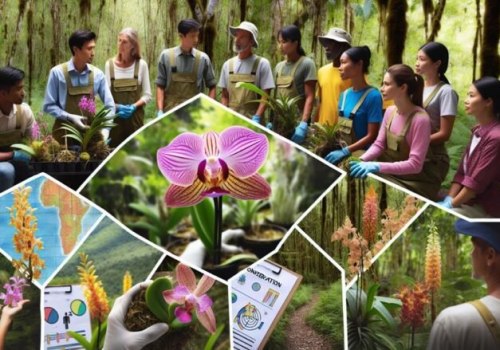
Community involvement plays a crucial role in orchid conservation, as local efforts often lead to significant impacts on preserving these delicate species. Grassroots initiatives not only raise awareness but also empower individuals to take action in their own backyards.One notable example is the Orchid Conservation Program in Hawaii, where local communities have banded together to protect native orchid species.Volunteers participate in habitat restoration projects, removing invasive species that threaten the delicate ecosystems where orchids thrive. This hands-on approach fosters a sense of ownership and responsibility among community members.In addition to habitat restoration, educational workshops are frequently organized to teach locals about the importance of orchid conservation. These workshops cover topics such as proper orchid care, identification of native species, and the ecological roles orchids play in their environments. By equipping community members with knowledge, these initiatives help cultivate a culture of conservation.Another successful grassroots effort can be seen in the Orchid Society of America, which encourages local chapters to engage in conservation activities.
These chapters often collaborate with schools and community organizations to promote awareness and appreciation for orchids. Through events like plant swaps and educational fairs, they inspire a new generation of orchid enthusiasts who are committed to conservation.Moreover, social media platforms have become powerful tools for mobilizing community action. Local groups share success stories, conservation tips, and upcoming events, creating a network of support for orchid conservation. This digital outreach not only connects individuals but also amplifies their collective voice in advocating for policies that protect orchid habitats.Ultimately, the success of orchid conservation efforts hinges on the active participation of local communities.
By fostering a sense of stewardship and providing resources for education and engagement, these grassroots initiatives are making a tangible difference in preserving orchids for future generations.
The Role of Technology in Orchid Conservation
In recent years, the field of orchid conservation has greatly benefited from advancements in technology and scientific research. These innovations are crucial for preserving the diverse species of orchids that face threats from habitat loss, climate change, and illegal trade.Genetic Research and Biotechnology
- Genetic mapping has become a vital tool in understanding the genetic diversity of orchid species. By identifying specific genes associated with resilience to environmental changes, conservationists can prioritize which species to protect.
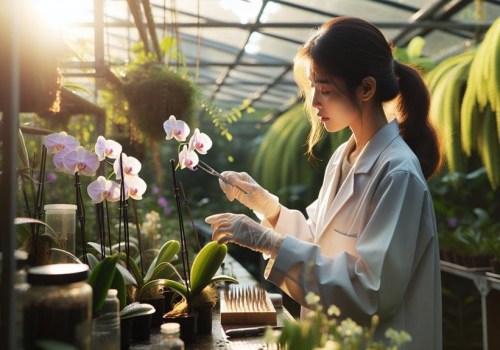
- Biotechnology, including tissue culture techniques, allows for the propagation of endangered orchid species in controlled environments. This method not only helps in increasing population numbers but also ensures genetic diversity is maintained.
Habitat Restoration Technologies
- Innovative methods such as drone technology are being employed to monitor orchid habitats from above.
Drones can assess plant health, track changes in land use, and identify areas that require restoration efforts.
- Remote sensing technologies provide valuable data on environmental conditions, helping conservationists make informed decisions about where to focus their restoration efforts.
Community Engagement through Technology
- Mobile applications and online platforms are facilitating community involvement in orchid conservation. Citizen scientists can report sightings of rare orchids, contributing to data collection and monitoring efforts.
- Social media campaigns raise awareness about the importance of orchids and encourage public participation in conservation initiatives.
Challenges Facing Orchid Conservation Efforts
Orchid conservation faces numerous challenges that significantly hinder efforts to protect these delicate plants. Understanding these obstacles is crucial for developing effective strategies to ensure their survival.Habitat Loss
One of the most pressing threats to orchids is habitat loss.
Urbanization, agriculture, and deforestation have led to the destruction of natural habitats where orchids thrive. As forests are cleared for development or farming, the specific microclimates that many orchid species require are lost, making it increasingly difficult for them to survive.
Climate Change
Climate change poses another significant challenge. Changes in temperature and precipitation patterns can disrupt the delicate balance of ecosystems where orchids grow. Many orchids are highly specialized and adapted to specific environmental conditions; even slight changes can lead to population declines or extinction.
Illegal Trade
The illegal trade of orchids is a major threat that exacerbates conservation challenges.
Many rare and endangered species are poached from their natural habitats and sold on the black market. This not only reduces wild populations but also disrupts local ecosystems. Efforts to combat this trade are often hampered by insufficient enforcement of laws and regulations.
Invasive Species
Invasive species also pose a significant threat to native orchids. These non-native plants and animals can outcompete orchids for resources such as light, water, and nutrients, leading to declines in orchid populations.
Managing invasive species requires coordinated efforts and resources that are often lacking in conservation programs.
Lack of Awareness and Funding
Finally, a general lack of awareness about the importance of orchid conservation can lead to insufficient funding and support for conservation initiatives. Many people do not realize the ecological significance of orchids or the threats they face, which can result in a lack of public interest and investment in conservation efforts.Addressing these challenges requires a multifaceted approach that includes habitat restoration, climate adaptation strategies, stricter enforcement against illegal trade, management of invasive species, and increased public awareness about the importance of conserving these beautiful plants.
Future Directions for Orchid Conservation
As we look to the future of orchid conservation, several promising trends and strategies are emerging that could significantly enhance preservation efforts. These developments not only aim to protect existing orchid species but also focus on restoring their natural habitats and ensuring their survival in the face of climate change and habitat loss.Innovative Conservation Techniques
One of the most exciting directions in orchid conservation is the use of technology. Advances in genetic research and biotechnology are paving the way for more effective propagation methods.For instance, tissue culture techniques allow for the mass production of orchids from a small number of parent plants, ensuring genetic diversity while reducing pressure on wild populations.
Community Involvement and Education
Another critical aspect of future conservation efforts is the involvement of local communities. Engaging indigenous populations and local stakeholders in conservation initiatives fosters a sense of ownership and responsibility towards their natural resources. Educational programs that raise awareness about the ecological importance of orchids can inspire grassroots movements aimed at protecting these delicate species.Habitat Restoration Initiatives
Restoring natural habitats is essential for the long-term success of orchid conservation. Efforts to rehabilitate degraded ecosystems can create suitable environments for orchids to thrive.This includes reforestation projects that not only benefit orchids but also support a wide range of biodiversity.
Policy and Legislation
On a broader scale, effective policy-making plays a crucial role in the future of orchid conservation. Strengthening legal frameworks to protect endangered orchid species and their habitats can help mitigate threats from illegal trade and habitat destruction. International cooperation is also vital, as many orchid species cross national boundaries.In conclusion, the future of orchid conservation looks promising with innovative techniques, community engagement, habitat restoration, and robust policies paving the way for sustainable preservation efforts. By embracing these strategies, we can ensure that orchids continue to flourish for generations to come.Frequently Asked Questions about Orchid Conservation
Orchid conservation is a vital topic as these beautiful plants face numerous threats, including habitat loss, climate change, and illegal trade.Here are some frequently asked questions that can help you understand more about this important issue.
What are the main threats to orchids?
The primary threats to orchids include:- Habitat destruction: Urban development, agriculture, and deforestation significantly reduce the natural habitats where orchids thrive.
- Climate change: Altered weather patterns can affect the delicate ecosystems that support orchid growth.
- Illegal collection: Many orchids are poached from the wild for their beauty, leading to population declines.
How can I help with orchid conservation?
There are several ways individuals can contribute to orchid conservation efforts:- Support conservation organizations: Donate to or volunteer with organizations dedicated to protecting orchid habitats and species.
- Educate others: Share information about the importance of orchids and the threats they face to raise awareness.
- Grow native orchids: Cultivating native orchid species in your garden can help support local ecosystems.
Are there any successful orchid conservation programs?
Yes, several programs have made significant strides in orchid conservation. For instance, the Orchid Conservation Alliance works globally to protect endangered species through habitat preservation and restoration projects. Additionally, many botanical gardens have initiated propagation programs that focus on reintroducing cultivated orchids back into their natural habitats. By understanding these aspects of orchid conservation, you can play a role in ensuring these stunning plants continue to thrive for future generations.Conclusion: The Importance of Continued Efforts in Orchid Conservation
In summary, the efforts surrounding orchid conservation are not just vital for the survival of these exquisite plants but also for maintaining biodiversity and ecological balance. Throughout this article, we have explored various successful initiatives that highlight the importance of protecting orchids from extinction. From habitat restoration projects to community engagement programs, each effort plays a crucial role in ensuring that both native and endangered orchid species thrive.For instance, the establishment of protected areas has proven effective in safeguarding natural habitats, while educational campaigns have raised awareness about the significance of orchids in our ecosystems. Moreover, collaboration among governments, non-profit organizations, and local communities has been instrumental in driving these conservation efforts forward. By pooling resources and knowledge, stakeholders can implement more comprehensive strategies that address the multifaceted challenges facing orchids today. As we look to the future, it is essential to recognize that orchid conservation is an ongoing journey. Continued research and funding are necessary to adapt to changing environmental conditions and to combat threats such as climate change and habitat destruction. Every small action counts, whether it’s supporting local conservation groups or participating in citizen science projects. Ultimately, the survival of orchids depends on our collective commitment to preserving their natural habitats and fostering a deeper appreciation for their beauty and ecological importance.
By prioritizing orchid conservation, we not only protect these remarkable plants but also contribute to the health of our planet as a whole.