Orchid conservation is a vital aspect of preserving biodiversity and maintaining the ecological balance of our planet. Orchids, known for their stunning beauty and intricate structures, are not just ornamental plants; they play significant roles in their ecosystems. These fascinating flowers contribute to pollination processes, support various wildlife, and are indicators of environmental health. However, the importance of orchid conservation extends beyond their aesthetic appeal; it encompasses the preservation of genetic diversity and the protection of habitats that are increasingly threatened by human activities. Despite their ecological significance, orchids face numerous threats that jeopardize their survival.
Habitat destruction due to urbanization, agriculture, and deforestation has led to a dramatic decline in many orchid species. Additionally, climate change poses a significant risk, altering the delicate conditions that these plants require to thrive. Over-collection for the horticultural trade further exacerbates the situation, pushing some species closer to extinction. Understanding these threats is crucial for developing effective conservation strategies. Involving local communities in orchid conservation efforts is essential for creating sustainable solutions.
Communities often possess valuable knowledge about local ecosystems and can play a pivotal role in protecting these unique plants. By fostering a sense of ownership and responsibility towards their natural surroundings, we can empower individuals to take action against the threats facing orchids. This collaborative approach not only enhances conservation efforts but also strengthens community ties and promotes environmental stewardship.
The Role of Local Communities in Conservation
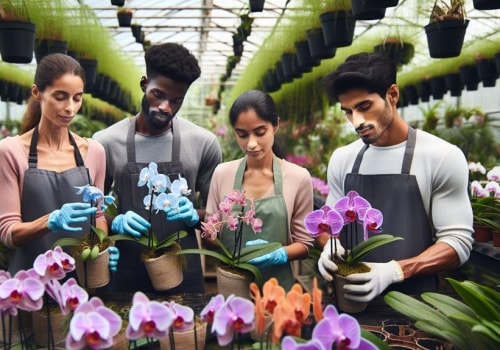
Local communities are essential to the success of orchid conservation efforts. Their intimate knowledge of the local ecosystem, cultural practices, and traditional uses of orchids can significantly enhance conservation strategies.By involving these communities, we can create a more sustainable approach to preserving these delicate plants.
Community Involvement in Conservation
- Education and Awareness: Local communities can be educated about the importance of orchids and their role in biodiversity. Workshops and seminars can help raise awareness about the threats facing these plants and the need for conservation.
- Participatory Conservation: Engaging community members in hands-on conservation activities, such as planting native orchids or restoring habitats, fosters a sense of ownership and responsibility towards local flora.
- Traditional Knowledge: Indigenous practices often include sustainable methods of harvesting and using orchids. By integrating this knowledge into modern conservation efforts, we can develop strategies that respect both cultural heritage and ecological integrity.
Benefits of Community Engagement
- Enhanced Conservation Outcomes: When local communities are involved, conservation initiatives are more likely to succeed due to their commitment and understanding of local conditions.
- Economic Incentives: Community-led conservation projects can create economic opportunities through ecotourism or sustainable harvesting practices, providing financial benefits while promoting orchid preservation.
- Cultural Preservation: Engaging communities in conservation helps preserve not only the orchids but also the cultural significance they hold within local traditions and practices.
Strategies for Engaging Local Communities
Engaging local communities in orchid conservation is essential for the sustainability of these delicate ecosystems.By implementing targeted strategies, we can foster a sense of ownership and responsibility among community members. Here are some effective methods:
- Education and Awareness Programs: Organizing workshops and seminars can significantly raise awareness about the importance of orchids and their role in biodiversity. These programs should focus on the ecological value of orchids, their threats, and the benefits of conservation.
- Community Outreach Initiatives: Establishing outreach programs that involve local schools, community centers, and environmental groups can help spread the message of orchid conservation. Activities such as guided nature walks or orchid identification sessions can engage participants directly with their local flora.
- Partnerships with Local Organizations: Collaborating with local NGOs, botanical gardens, and universities can enhance conservation efforts.
These partnerships can provide resources, expertise, and volunteers to support conservation projects.
- Citizen Science Projects: Involving locals in data collection and monitoring can empower them to contribute actively to orchid conservation. Citizen science initiatives allow community members to participate in research while fostering a deeper connection to their environment.
- Incentive Programs: Offering incentives for participation in conservation activities, such as discounts at local businesses or recognition awards, can motivate community members to get involved.
Case Studies of Successful Community Involvement
Community involvement in orchid conservation has proven to be a powerful tool in preserving these delicate species. Several case studies highlight how local engagement can lead to successful conservation outcomes.1.The Orchid Conservation Program in Ecuador
In Ecuador, the Orchid Conservation Program has successfully engaged local communities in the protection of native orchid species.
By providing training workshops on sustainable harvesting and cultivation techniques, local farmers have learned to cultivate orchids without depleting wild populations. This initiative not only helps conserve orchids but also provides an alternative source of income for the community.
2.The Orchid Rescue Project in Thailand
The Orchid Rescue Project in Thailand is another exemplary case where local communities have taken the lead in conservation efforts. Volunteers from nearby villages participate in rescue missions to save orchids from illegal collection and habitat destruction. Through educational programs, these volunteers have become advocates for orchid conservation, raising awareness about the importance of preserving their natural habitats.
3.The Community-Based Conservation Initiative in Madagascar
In Madagascar, a community-based initiative has focused on protecting the endemic orchid species found in the region.
Local residents are trained as conservation stewards, responsible for monitoring orchid populations and reporting any threats. This program has fostered a sense of ownership among community members, leading to increased participation in conservation activities and a significant reduction in illegal harvesting.
Lessons Learned
- Empowerment: Providing training and resources empowers communities to take charge of their local ecosystems.
- Education: Raising awareness about the ecological and economic value of orchids encourages community involvement.
- Sustainability: Developing sustainable practices ensures that both the orchids and the livelihoods of local people can thrive together.
Challenges and Solutions in Community Engagement
Engaging local communities in orchid conservation presents several challenges that can hinder effective participation. Understanding these barriers is crucial for developing strategies that foster community involvement.- Lack of Awareness: Many community members may not be aware of the importance of orchids and their ecological roles. This lack of knowledge can lead to indifference towards conservation efforts.
- Cultural Differences: Different communities may have varying cultural perceptions of orchids, which can affect their willingness to engage in conservation activities.
- Resource Limitations: Communities often face financial and logistical constraints that limit their ability to participate in conservation initiatives.
- Trust Issues: Past experiences with external organizations may lead to skepticism about the intentions of conservation projects, making communities hesitant to get involved.
- Education and Awareness Programs: Conduct workshops and informational sessions to educate community members about the ecological significance of orchids and the benefits of conservation.
Tailoring these programs to local contexts can enhance their effectiveness.
- Cultural Integration: Collaborate with local leaders and cultural representatives to incorporate traditional knowledge and practices into conservation efforts, fostering a sense of ownership among community members.
- Resource Support: Provide financial assistance or resources such as tools and materials to empower communities in their conservation efforts. Establishing partnerships with NGOs can also help secure funding.
- Building Trust: Engage in transparent communication and involve community members in decision-making processes. Building relationships through consistent engagement can help alleviate skepticism and foster collaboration.
The Future of Orchid Conservation with Community Support
The future of orchid conservation hinges significantly on the active involvement of local communities. As stewards of their natural environments, these communities possess invaluable knowledge and a vested interest in preserving their local ecosystems.By fostering long-term engagement, we can create a sustainable model for conservation that benefits both the orchids and the people who live alongside them.
Long-term Community Involvement
- Education and Awareness: Initiatives that educate local populations about the ecological importance of orchids can cultivate a sense of ownership and responsibility. Workshops, school programs, and community events can raise awareness about the threats facing these plants and the role individuals can play in their preservation.
- Participatory Conservation: Involving community members in conservation efforts—such as habitat restoration, monitoring orchid populations, and conducting research—can enhance their commitment to these initiatives. When locals are part of the solution, they are more likely to advocate for sustainable practices.
- Economic Incentives: Developing eco-tourism or sustainable harvesting practices can provide financial benefits to communities while promoting orchid conservation. By creating economic opportunities tied to the health of local ecosystems, communities are incentivized to protect their natural resources.
Sustainability in Conservation Efforts
Sustainability is crucial for the long-term success of orchid conservation.
This involves not only protecting existing habitats but also ensuring that conservation practices do not harm local livelihoods. Strategies such as:
- Agroforestry: Integrating orchid cultivation with traditional farming can help maintain biodiversity while providing farmers with additional income.
- Community-led Monitoring: Establishing systems where locals monitor orchid populations ensures ongoing data collection and fosters a culture of stewardship.
- Collaborative Partnerships: Forming alliances between NGOs, government agencies, and local communities can pool resources and expertise, leading to more effective conservation strategies.
FAQs about Orchid Conservation and Community Involvement
As interest in orchid conservation grows, many people have questions about how local communities can play a role in these efforts. Here are some frequently asked questions that address common concerns and misconceptions:- Why is community involvement important in orchid conservation?
Community involvement is crucial because local residents often have the best understanding of their environment.They can provide valuable insights into the specific needs of local orchid species and help implement conservation strategies that are culturally and ecologically appropriate.
- What are some effective ways to engage local communities?
Engaging local communities can be achieved through educational workshops, volunteer programs, and partnerships with local organizations. These initiatives can raise awareness about the importance of orchids and encourage community members to participate actively in conservation efforts. - How can we address concerns about conservation efforts?
It’s essential to communicate openly with community members about the goals and benefits of orchid conservation. Addressing concerns such as land use, economic impacts, and cultural significance can foster trust and collaboration. - Are there examples of successful community-led orchid conservation projects?
Yes, there are numerous examples worldwide where communities have successfully led conservation projects. These initiatives often combine traditional knowledge with scientific research, resulting in sustainable practices that benefit both the orchids and the local population.
Their involvement not only enhances conservation efforts but also promotes a sense of ownership and responsibility towards preserving these beautiful plants for future generations.