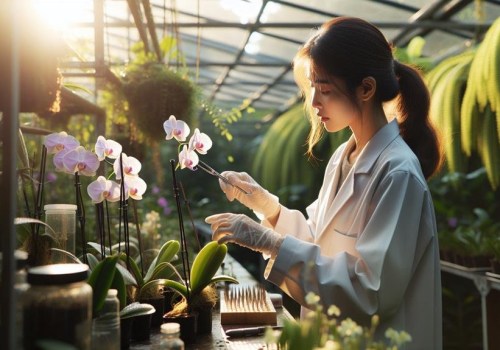
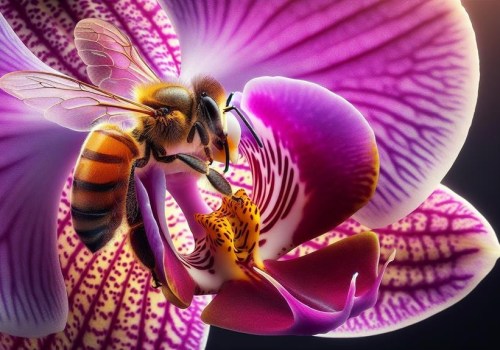
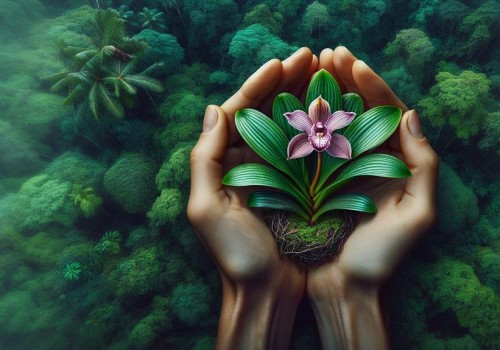
Orchids, belonging to the family Orchidaceae, are among the most diverse and fascinating groups of flowering plants on the planet. With over 25,000 species, they exhibit a remarkable range of colors, shapes, and sizes, captivating both casual observers and dedicated botanists alike. These exquisite plants are not just visually stunning; they play a crucial role in their ecosystems. Orchids are often key components of their habitats, providing essential resources for various pollinators, including bees, butterflies, and birds.
Their intricate relationships with these pollinators highlight their ecological importance, as they contribute to the overall health and stability of their environments. The significance of orchids extends beyond their beauty and ecological roles. They are indicators of environmental health and biodiversity. The presence of diverse orchid species often signifies a rich and balanced ecosystem. Conversely, a decline in orchid populations can signal underlying issues such as habitat destruction or climate change.
This makes orchid conservation not only vital for preserving these unique plants but also for maintaining the integrity of the ecosystems they inhabit. As we delve deeper into the impacts of human activities like deforestation and pollution on orchid populations, it becomes evident that understanding their ecological importance is essential. By recognizing the intricate connections between orchids and their environments, we can better appreciate the urgent need for conservation efforts aimed at protecting these remarkable plants and the biodiversity they support.
The Effects of Deforestation on Orchid Populations
Deforestation is one of the most significant threats to orchid populations worldwide. As forests are cleared for agriculture, urban development, and logging, the natural habitats that orchids rely on are rapidly disappearing. This loss of habitat not only reduces the available space for orchids to grow but also disrupts the intricate ecosystems that support their survival.Orchids are particularly vulnerable to habitat loss due to their specialized growth requirements.Many species thrive in specific microhabitats that provide the right conditions for their growth, such as humidity, light, and soil composition. When these habitats are destroyed, orchids often cannot adapt quickly enough to survive in altered environments.
Statistics on Orchid Decline
- According to the IUCN Red List, approximately 30% of orchid species are currently threatened with extinction due to habitat loss.
- A study published in Biological Conservation found that deforestation rates in tropical regions have increased by over 50% in the last two decades, directly impacting orchid diversity.
- In Southeast Asia, where many endemic orchid species exist, deforestation has led to a decline of up to 70% in some populations.
Orchids play a crucial role in their ecosystems as indicators of environmental health and as part of complex relationships with pollinators. The loss of these plants can lead to cascading effects throughout the ecosystem.In conclusion, addressing deforestation is vital for orchid conservation. Protecting existing habitats and restoring degraded areas can help ensure that these beautiful and ecologically important plants continue to thrive.
Pollution and Its Impact on Orchids
Pollution poses a significant threat to orchid conservation, affecting these delicate plants through various forms of contamination, including air, water, and soil pollutants. Each type of pollution can disrupt the intricate balance necessary for orchid health and reproduction.Air Pollution
Airborne pollutants, such as sulfur dioxide and nitrogen oxides, can lead to acid rain, which alters the pH of the soil where orchids grow.This change can hinder nutrient absorption, making it difficult for orchids to thrive. A study conducted in the Amazon rainforest found that increased levels of air pollution correlated with a decline in orchid diversity, highlighting the vulnerability of these species to atmospheric changes.
Water Pollution
Water quality is crucial for orchid survival, as many species rely on specific moisture levels and nutrient-rich environments. Contaminants like heavy metals and pesticides can leach into water sources, leading to toxic conditions for orchids. For instance, research has shown that runoff from agricultural areas can introduce harmful chemicals into nearby streams, adversely affecting local orchid populations.In one case study, a population of Cattleya orchids showed stunted growth and reduced flowering rates due to exposure to contaminated water.
Soil Contamination
Soil pollution from industrial waste and improper disposal of chemicals can severely impact orchid habitats. Pollutants can alter soil composition and microbial communities essential for orchid mycorrhizal relationships. These relationships are vital for nutrient exchange; without them, orchids struggle to obtain the necessary resources for growth. A notable example is the decline of Dendrobium species in areas with high soil contamination levels, where studies indicated a direct link between pollutant concentration and orchid health.In conclusion, addressing pollution is critical for orchid conservation.Protecting air and water quality, along with managing soil health, is essential to ensure that these beautiful plants continue to thrive in their natural habitats.
Climate Change: A Growing Threat to Orchids
Climate change poses a significant threat to orchid conservation, as it alters the delicate balance of ecosystems where these unique plants thrive. As global temperatures rise, the habitats that support various orchid species are undergoing profound transformations.Temperature Changes and Orchid Survival
- Many orchids are adapted to specific temperature ranges, and even slight increases can disrupt their growth cycles.
- Higher temperatures can lead to increased evaporation rates, affecting the moisture levels that orchids depend on for survival.
- Some species may find their current habitats unsuitable, forcing them to migrate to cooler areas, which may not always be feasible due to geographical barriers.
Shifting Climates and Habitat Alterations
The impact of climate change extends beyond temperature fluctuations. Changes in precipitation patterns can lead to:
- Droughts, which can severely limit water availability for orchids, particularly those in tropical regions.
- Increased rainfall, resulting in flooding that can wash away delicate orchid roots and disrupt their growth.
- Altered pollinator behavior, as many orchids rely on specific insects for reproduction. Changes in climate can affect the life cycles and habitats of these pollinators.
Protecting existing habitats and creating new conservation strategies will be essential for ensuring the survival of these remarkable plants in a changing world. By understanding the intricate relationship between climate change and orchid populations, we can better advocate for effective orchid conservation measures that address these pressing challenges.
Conservation Efforts for Orchids: Strategies and Challenges
Conservation efforts for orchids are critical in addressing the threats posed by deforestation and pollution. Various strategies have been implemented globally to protect these delicate plants, each facing unique challenges.Legal Protections
Many countries have enacted laws to protect endangered orchid species. These legal frameworks often include:- Protected Areas: Establishing national parks and reserves where orchids can thrive without the threat of habitat destruction.
- Trade Regulations: Implementing CITES (Convention on International Trade in Endangered Species) regulations to control the trade of rare orchids, preventing overharvesting.
Habitat Restoration
Restoration projects aim to rehabilitate areas that have been degraded by human activities.Key components of these projects include:
- Reforestation: Planting native trees and plants to restore the natural habitat necessary for orchids to flourish.
- Soil Management: Improving soil quality through organic practices to support the growth of orchid populations.
Community Involvement
Engaging local communities is essential for successful orchid conservation. Strategies include:- Education Programs: Raising awareness about the importance of orchids and their ecosystems, fostering a sense of stewardship among local populations.
- Sustainable Practices: Encouraging sustainable land-use practices that minimize environmental impact while allowing communities to thrive economically.
By combining legal protections, habitat restoration, and community engagement, we can enhance orchid conservation efforts and ensure these beautiful plants continue to grace our planet.
Community Involvement in Orchid Conservation
Community involvement plays a crucial role in orchid conservation, as local initiatives often lead to significant positive impacts on orchid populations. Engaging communities not only fosters a sense of ownership but also enhances the effectiveness of conservation efforts.Local Initiatives for Orchids
- Community Gardens: Many neighborhoods have established community gardens that focus on native plant species, including orchids. These gardens serve as educational platforms where residents can learn about the importance of preserving local flora.
- Orchid Rescue Programs: Some communities have initiated programs to rescue orchids from areas threatened by development or pollution. Volunteers work together to relocate these plants to safer environments, ensuring their survival.
- Workshops and Training: Local organizations often host workshops to educate community members about orchid care and conservation techniques.
These events empower individuals with the knowledge needed to protect these delicate species.
Public Awareness Campaigns
Raising public awareness is essential for the success of orchid conservation. Campaigns that highlight the beauty and ecological importance of orchids can inspire community members to take action. For instance, social media campaigns showcasing local orchid species can attract attention and encourage participation in conservation efforts.Moreover, schools can play a pivotal role by incorporating orchid conservation into their curricula. By educating young minds about the significance of biodiversity and the threats faced by orchids, we can cultivate a new generation of conservationists.In conclusion, community involvement is vital for effective orchid conservation.
Through local initiatives and public awareness efforts, communities can make a substantial difference in protecting these beautiful plants for future generations.
FAQs About Orchid Conservation and Human Impact
Understanding the impact of human activities on orchid conservation is crucial for protecting these delicate plants. Here are some frequently asked questions that shed light on this important topic:How does deforestation affect orchid populations?
Deforestation leads to habitat loss, which is one of the most significant threats to orchids. Many orchid species are highly specialized and depend on specific environmental conditions found in their native habitats. When forests are cleared for agriculture or urban development, these plants lose their homes, leading to a decline in their populations.What role does pollution play in orchid decline?
Pollution, particularly from agricultural runoff and industrial waste, can severely impact orchid health.Chemicals such as pesticides and fertilizers can alter soil composition and water quality, making it difficult for orchids to thrive. Additionally, air pollution can affect the delicate balance of ecosystems where orchids grow.
Are all orchids equally affected by human activities?
No, not all orchids are equally vulnerable. Some species are more resilient and can adapt to changing conditions, while others are highly sensitive to environmental changes.Conservation efforts
often focus on the most endangered species, which are typically those with limited ranges or specific habitat requirements.What can be done to protect orchids from human impact?
- Habitat restoration: Replanting native vegetation can help restore ecosystems where orchids grow.
- Sustainable practices: Encouraging sustainable agricultural and industrial practices can reduce pollution and habitat destruction.
- Public awareness: Educating communities about the importance of orchids and their ecosystems can foster conservation efforts.
Conclusion: The Path Forward for Orchid Conservation
In conclusion, the challenges posed by human activities such as deforestation and pollution have significant implications for orchid populations worldwide.As we have explored, these factors not only threaten the delicate ecosystems in which orchids thrive but also disrupt the intricate relationships between orchids and their pollinators. The loss of habitat due to deforestation leads to a decline in orchid diversity, while pollution can alter soil chemistry and water quality, further jeopardizing their survival.To ensure the future of these remarkable plants, it is crucial to adopt a multifaceted approach to orchid conservation. This includes:
- Habitat Protection: Establishing protected areas and reserves can help safeguard existing orchid populations from the encroachment of urban development and agricultural expansion.
- Restoration Efforts: Initiatives aimed at restoring degraded habitats can provide a second chance for orchids to flourish in their natural environments.
- Pollution Mitigation: Implementing stricter regulations on pollutants and promoting sustainable agricultural practices can help reduce the negative impacts of pollution on orchid habitats.
- Public Awareness: Educating communities about the importance of orchids and their ecosystems fosters a sense of stewardship and encourages local involvement in conservation efforts.
It is our responsibility to act now, for the sake of orchids and the ecosystems they represent.