Orchids are among the most diverse and captivating plants on the planet, boasting over 25,000 species and countless hybrids. Their intricate beauty and unique adaptations have made them a favorite among horticulturists and nature enthusiasts alike. However, the significance of orchid conservation extends far beyond their aesthetic appeal. Orchids play crucial roles in their ecosystems, serving as indicators of environmental health and contributing to biodiversity.
As such, the conservation of these remarkable plants is essential not only for preserving their beauty but also for maintaining the ecological balance. Despite their importance, challenges in orchid conservation are numerous and complex. Habitat loss due to urbanization, agriculture, and deforestation poses a significant threat to many orchid species. Additionally, climate change is altering the delicate conditions that orchids require to thrive, leading to shifts in their natural habitats. Furthermore, illegal collection and trade of rare orchids exacerbate the problem, pushing some species closer to extinction.
These challenges highlight the urgent need for effective conservation strategies that address both environmental and human factors. Understanding the importance of orchid conservation is vital for fostering a collective responsibility towards these plants. By raising awareness about the threats they face and promoting sustainable practices, we can work towards ensuring that future generations will continue to marvel at the beauty and diversity of orchids. The journey towards effective conservation is fraught with obstacles, but with concerted efforts from individuals, communities, and organizations, there is hope for these extraordinary plants.
The Importance of Orchids in Ecosystems
Orchids are not just beautiful flowers; they play a crucial role in maintaining the health and balance of ecosystems. Their unique adaptations and relationships with various organisms contribute significantly to biodiversity and ecological stability.Role of Orchids in Ecosystems
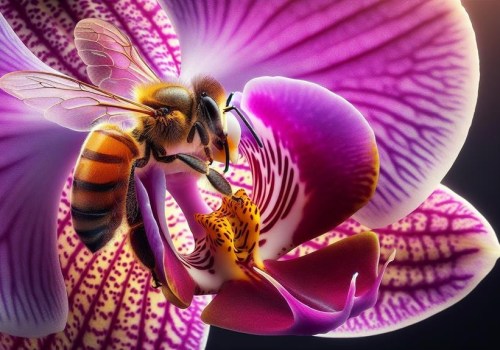
- Pollination Partnerships: Many orchids have evolved intricate relationships with specific pollinators, such as bees, butterflies, and moths.
These partnerships are essential for the reproduction of both the orchids and their pollinators, fostering a diverse range of species within the ecosystem.
- Habitat Formation: Orchids often thrive in specific habitats, such as rainforests and wetlands, where they contribute to the overall structure of these environments. Their presence can indicate the health of these ecosystems, as they are sensitive to changes in environmental conditions.
- Nutrient Cycling: As part of their life cycle, orchids interact with fungi in the soil, forming mycorrhizal associations that enhance nutrient uptake. This relationship not only benefits the orchids but also supports the broader plant community by improving soil health and fertility.
Ecological Significance of Orchids
The ecological significance of orchids extends beyond their immediate surroundings. They serve as indicators of environmental change, helping scientists monitor ecosystem health.
The decline or disappearance of orchid species can signal broader ecological issues, such as habitat loss or climate change.Furthermore, orchids contribute to biodiversity by providing habitats and resources for various organisms. Their diverse forms and colors attract a wide range of pollinators, which in turn supports other species within the food web. This interconnectedness highlights the importance of orchid conservation, as preserving these plants is vital for maintaining healthy ecosystems.In summary, orchids are integral to ecosystem functioning and biodiversity. Their unique roles underscore the urgent need for conservation efforts to protect these remarkable plants and the intricate webs of life they support.
Threats to Orchid Populations
Orchids, known for their stunning beauty and diversity, face numerous challenges that threaten their survival.Understanding these threats to orchid populations is crucial for effective conservation efforts.Habitat Loss One of the most significant threats to orchids is habitat loss. As urbanization expands and agricultural practices intensify, natural habitats are being destroyed at an alarming rate. Forests, wetlands, and grasslands that provide essential environments for orchids are being converted into farmland or developed for housing and infrastructure. This not only reduces the available space for orchids to grow but also disrupts the delicate ecosystems they depend on.Climate Change Effects on Orchids Climate change poses another serious challenge to orchid conservation.
Rising temperatures and shifting weather patterns can alter the habitats where orchids thrive. Many orchid species are adapted to specific climatic conditions, and even slight changes can lead to reduced growth rates, altered flowering times, and increased vulnerability to pests and diseases. For instance, some orchids may find it difficult to survive in warmer climates, leading to a decline in their populations.Invasive Species The introduction of invasive species further complicates the conservation landscape for orchids. Non-native plants and animals can outcompete native orchids for resources such as light, water, and nutrients.
Additionally, invasive species may introduce new diseases or pests that native orchids are ill-equipped to handle. This competition can lead to a decline in orchid populations and even extinction in some cases. In summary, the challenges faced in orchid conservation are multifaceted, with habitat loss, climate change, and invasive species posing significant threats. Addressing these issues requires a concerted effort from conservationists, policymakers, and the public to ensure that these remarkable plants continue to thrive in their natural environments.
Conservation Strategies for Orchids
Conserving orchids requires a multifaceted approach that addresses the various threats these plants face.Orchid conservation strategies
can be categorized into several key areas, including habitat restoration, cultivation practices, and community involvement.Habitat Restoration
One of the most effective methods for conserving orchids is through habitat restoration.This involves rehabilitating natural environments that have been degraded by human activities such as deforestation, urbanization, and agriculture. Restoring these habitats not only benefits orchids but also supports the entire ecosystem. Key steps in habitat restoration include:
- Reforestation: Planting native trees and shrubs to recreate the natural habitat where orchids thrive.
- Soil Management: Improving soil quality to support the growth of both orchids and their symbiotic fungi.
- Water Management: Ensuring adequate water supply and drainage to maintain the delicate balance required for orchid survival.
Cultivation Practices
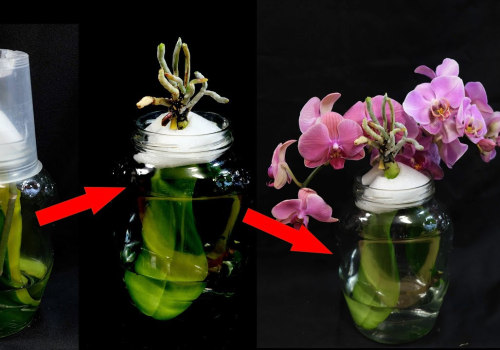
In addition to restoring habitats, cultivation practices play a crucial role in orchid conservation. These practices can include:- Propagation Techniques: Utilizing methods such as tissue culture and seed germination to increase orchid populations in controlled environments.
- Sustainable Harvesting: Implementing guidelines for the collection of wild orchids to prevent overharvesting and ensure that populations remain viable.
- Botanical Gardens and Nurseries: Establishing facilities dedicated to the cultivation and study of orchids can help preserve rare species and educate the public about their importance.
Community Involvement
The success of orchid conservation programs often hinges on community involvement.Engaging local communities can lead to more effective conservation efforts through:
- Education and Awareness: Informing communities about the ecological significance of orchids and the threats they face can foster a sense of stewardship.
- Citizen Science: Encouraging local residents to participate in monitoring orchid populations can provide valuable data for conservationists.
- Partnerships: Collaborating with local organizations, governments, and businesses can enhance resources and support for conservation initiatives.
The Role of Legislation and Policy in Orchid Conservation
Effective orchid conservation relies heavily on the implementation of robust legislation and policies at various levels. These legal frameworks are essential for protecting orchid species from threats such as habitat destruction, illegal trade, and climate change.Legislation for Orchid Conservation
- National laws often dictate the protection status of various orchid species, determining which are classified as endangered or threatened.
- In the United States, the Endangered Species Act plays a crucial role in safeguarding native orchids by prohibiting their collection and trade without proper permits.
- State-level regulations can also enhance protections, addressing local threats and promoting conservation efforts tailored to specific ecosystems.
Policies Affecting Orchids
- Conservation policies must consider land use planning, ensuring that areas critical for orchid survival are preserved from development.
- Funding for conservation programs is often tied to governmental policies, impacting the resources available for research and habitat restoration.
- Public awareness campaigns supported by policy initiatives can foster community involvement in orchid conservation, encouraging local stewardship of these plants.
International Agreements on Orchid Protection
- The Convention on International Trade in Endangered Species of Wild Fauna and Flora (CITES) is a pivotal international agreement that regulates the trade of orchids to prevent over-exploitation.
- Regional agreements, such as those under the Convention on Biological Diversity (CBD), promote collaborative efforts among countries to protect biodiversity, including orchids.
- These international frameworks facilitate knowledge sharing and resource allocation, enhancing global efforts in orchid conservation.
Community Involvement and Education in Orchid Conservation
Community involvement and education play a crucial role in orchid conservation, as they foster a deeper understanding of the challenges these beautiful plants face. Engaging local communities not only empowers individuals but also creates a collective responsibility towards preserving orchid species.Community Efforts in Orchid Conservation
- Local Conservation Groups: Many regions have established local conservation groups dedicated to protecting native orchids.
These groups often organize field trips, workshops, and volunteer days to engage community members in hands-on conservation efforts.
- Restoration Projects: Community-led restoration projects can significantly impact orchid habitats. By restoring natural environments, communities can help ensure the survival of endangered orchid species.
- Citizen Science: Involving the public in data collection through citizen science initiatives allows for greater monitoring of orchid populations and their habitats. This participation not only aids research but also raises awareness about the importance of these plants.
Education on Orchids
Educational initiatives are vital for spreading knowledge about orchid conservation. Schools, botanical gardens, and community centers can serve as platforms for educational programs that cover:
- The ecological significance of orchids and their roles in ecosystems.
- The threats faced by orchids, including habitat loss, climate change, and illegal trade.
- Best practices for cultivating orchids sustainably and responsibly.
Public Awareness of Orchid Issues
Raising public awareness is essential for garnering support for conservation efforts.
Campaigns that highlight the beauty and diversity of orchids can inspire people to take action. Social media platforms, local events, and workshops can be effective tools for:
- Sharing success stories of conservation efforts.
- Educating the public about the importance of protecting orchid habitats.
- Encouraging responsible purchasing habits to combat illegal orchid trade.
Case Studies: Successful Orchid Conservation Efforts
Orchid conservation has seen numerous successful case studies that provide valuable insights into effective preservation strategies. These projects not only highlight the importance of orchids in biodiversity but also demonstrate how targeted efforts can lead to significant recovery and sustainability.1.The Orchid Conservation Program in Hawaii
Hawaii is home to many endemic orchid species, some of which are critically endangered.The Orchid Conservation Program, initiated by the Hawaii Department of Land and Natural Resources, focuses on habitat restoration, propagation, and reintroduction of native orchids. One notable success is the recovery of the Brassavola nodosa, which was brought back from the brink of extinction through careful cultivation and replanting in its natural habitat.
2.The Royal Botanic Gardens, Kew
The Royal Botanic Gardens, Kew in the UK has been instrumental in global orchid conservation efforts. Their Orchid Seed Bank project aims to collect and store seeds from various orchid species, ensuring genetic diversity and availability for future restoration projects. This initiative has successfully preserved seeds from over 1,000 orchid species, providing a crucial resource for research and conservation.3.The Orchid Conservation Alliance
The Orchid Conservation Alliance (OCA) focuses on protecting orchids in their natural habitats across Central and South America.One of their successful projects involved the conservation of the Cattleya trianae, Colombia's national flower. By collaborating with local communities, OCA has implemented sustainable harvesting practices that benefit both the orchids and the livelihoods of local people.
Lessons Learned
- Community Involvement: Engaging local communities is crucial for the success of conservation efforts.
- Research and Education: Continuous research and public education about orchids can foster greater appreciation and support for conservation initiatives.
- Diverse Strategies: A combination of habitat restoration, seed banking, and sustainable practices often yields the best results.
Future Directions in Orchid Conservation Research
As the field of orchid conservation evolves, researchers are exploring innovative approaches and technologies that promise to enhance preservation efforts. One of the most promising areas is the use of genetic research to understand the genetic diversity of orchid species. By mapping the genomes of various orchids, scientists can identify traits that contribute to resilience against environmental changes, diseases, and pests.Another exciting development is the application of biotechnology in orchid propagation.Techniques such as tissue culture and cryopreservation are being refined to enable the mass production of endangered orchid species. These methods not only help in maintaining genetic diversity but also facilitate the reintroduction of orchids into their natural habitats.
Emerging Trends in Plant Conservation
- Community Involvement: Engaging local communities in conservation efforts is becoming increasingly important. By educating and involving local populations, conservationists can foster a sense of ownership and responsibility towards native orchids.
- Citizen Science: The rise of citizen science initiatives allows enthusiasts and non-experts to contribute to data collection and monitoring efforts. This grassroots approach can significantly enhance our understanding of orchid populations and their habitats.
- Climate Adaptation Strategies: As climate change poses a significant threat to many orchid species, research is focusing on developing strategies that help these plants adapt to shifting environmental conditions.
By embracing these innovations, we can create more effective conservation strategies that not only protect existing populations but also restore ecosystems where orchids have declined.
Conclusion: The Path Forward for Orchid Conservation
In conclusion, the journey towards effective orchid conservation is fraught with challenges, yet it is a path that must be pursued with determination and innovation. Throughout this article, we have explored the multifaceted issues that threaten these exquisite plants, including habitat loss, climate change, and the illegal trade of orchids. Each of these factors not only endangers individual species but also disrupts entire ecosystems.To move forward, it is essential to adopt a holistic approach that encompasses:- Community Engagement: Involving local communities in conservation efforts can lead to more sustainable practices and greater awareness of the importance of orchids.
- Research and Education: Continued research into orchid biology and ecology is vital. Educational programs can help foster a deeper appreciation for these plants and their roles in biodiversity.
- Policy Advocacy: Stronger regulations and enforcement against illegal trade are crucial.
Advocating for policies that protect natural habitats will also benefit orchid populations.
- Restoration Projects: Initiatives aimed at restoring degraded habitats can provide a lifeline for endangered orchid species, allowing them to thrive once more.